
Lieferung heute & morgen

Qualitätsgarantie

Willkommens-Angebote freischalten: KOSTENLOSE Lieferung | Bis zu 80 % RABATT | Kostenlose 30-Tage-JoyPlus-Testphase
App herunterladen
When you're looking for a refreshing beverage, lemon is often the top choice. However, it's easy to fall into common traps when buying lemon-flavoured drinks. Between tempting packaging and vague product descriptions, it's difficult to tell what you're really getting. Many products don't deliver on the promise of their fruity appearance. This guide will help you identify the most common pitfalls and make an informed choice that suits your taste and needs.
Before you add your next bottle or pack to the cart, be aware of these three common issues:
To ensure you're getting a high-quality product, check these three crucial features before you buy.
The decisive quality difference lies in the ingredients. A high-quality lemon soft drink is based on real fruit juice.
A lemonade that declares its juice content typically offers a more well-rounded and authentic taste experience.
Lemon drinks come in various forms, each suited for different purposes.
The world of lemon drinks is more diverse than you might think. Alongside the familiar European varieties, there are exciting Asian beverages to discover.
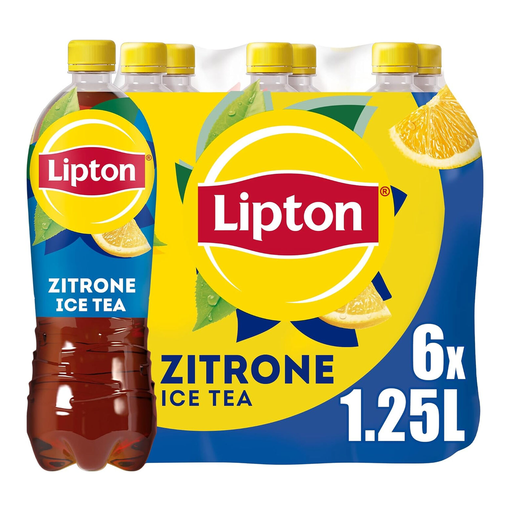
Why This Fits Their Persona: Ideal for those who want a reliable and familiar iced tea flavour for everyday enjoyment or social gatherings. The bulk pack is convenient for stocking up at home.
The ingredients list clearly declares black tea extract (0.12%) and lemon juice from concentrate (0.1%). This provides transparency and bypasses the trap of vague "natural flavourings".
Low-calorie and made with Rainforest Alliance certified black tea extract.
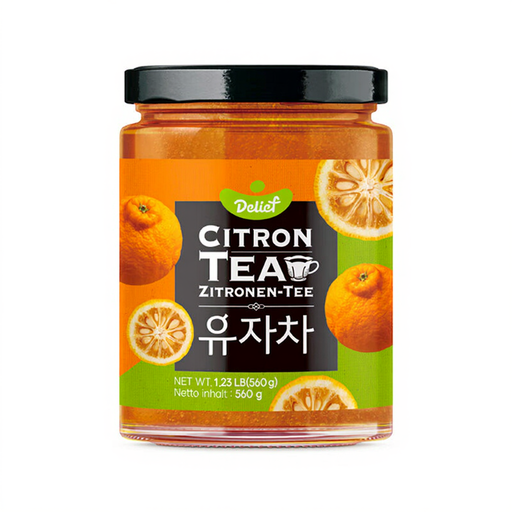
Why This Fits Their Persona: Perfect for foodies who want to try authentic Asian beverages. This concentrate offers a unique, jam-like experience and is incredibly versatile.
This product is not a simple powder. It contains real, sweetened lemon pieces, which avoids the chemical aftertaste of many instant products and provides an authentic texture and depth of flavour.
Extremely versatile: can be used hot as a tea, cold as a lemonade, or even as a spread on toast.
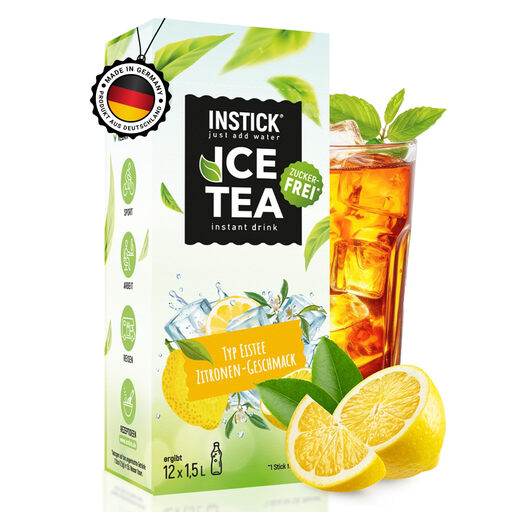
Why This Fits Their Persona: An excellent choice for athletes, professionals, or anyone looking for a sugar-free, low-calorie refreshment on the go. The portioned sticks offer maximum convenience.
This product directly addresses the "hidden sugar" trap by being explicitly sugar-free and low-calorie. The single-serving sticks also solve the problem of poor solubility and dosing common with bulk powders.
Very high yield (up to 30 litres per pack), vegan, and fortified with Vitamin C.
We have compiled a complete, up-to-date list of products that fully meet these strict selection criteria.
The main difference lies in the form and preparation. Classic lemon tea usually consists of tea bags (black or green tea with lemon flavouring) or an instant powder. Korean citron tea, also known as Yuja-cha, is a thick, jam-like concentrate made from real fruit pieces (usually the yuzu fruit), sugar, and/or honey. It is dissolved by the spoonful in hot or cold water.
Concentrates like Korean citron tea must be stored in the refrigerator after opening. Always use a clean spoon to maximise shelf life. This keeps the product fresh and prevents mould growth. Pay attention to the manufacturer's instructions on the packaging.
Yes, for certain use cases, they are an excellent choice. They are ideal for people watching their sugar and calorie intake, as well as for convenient on-the-go use. The advantage lies in their easy storage and portability. However, you should pay attention to the type of sweeteners used, as some (like aspartame or acesulfame-K) can have an aftertaste that some people find unpleasant. Products sweetened with stevia or erythritol often offer a more natural taste profile.