
Lieferung heute & morgen

Qualitätsgarantie

Willkommens-Angebote freischalten: KOSTENLOSE Lieferung | Bis zu 80 % RABATT | Kostenlose 30-Tage-JoyPlus-Testphase
App herunterladen
The search for a flavourful yet health-conscious alternative to plain water or sugary sodas leads many to drink powders and syrups. The lemon-lime flavour, in particular, is popular for its refreshing effect. However, the market can be overwhelming, and not every product delivers on its promises. As your Joybuy Product Recommendation Officer, I'll help you navigate the common pitfalls and make an informed choice.
Before you decide on a product, you should critically examine the common marketing claims. Many buyers invest in products that fail to meet their expectations.
To make a suitable choice that meets your needs for taste, health, and convenience, you should check three key parameters.
A low-calorie drink is the goal for many users. Most products in this segment replace sugar with sweeteners like sucralose, acesulfame-K, or cyclamate. These are calorie-free, but their taste perception is subjective. Pay attention to the nutritional information for the prepared drink to ensure it is genuinely a sugar-free flavoured water. Products containing fructose are not completely sugar-free and have more calories.
The choice between powder and syrup depends on your habits.
Some products offer more than just flavour.
Here are some recommendations tailored to different needs, taking the aforementioned criteria into account.
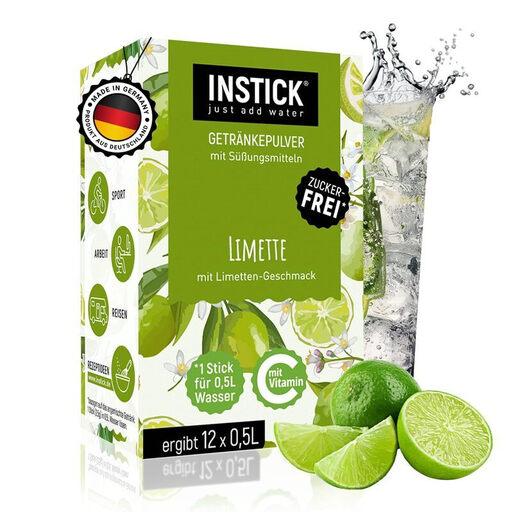
Why This Fits Their Persona: Perfect for individuals seeking a straightforward, sugar-free, and portable solution for daily hydration at the office, on the go, or at home. The sticks are easy to use and guarantee a consistent flavour intensity.
The pre-portioned sticks bypass the trap of unclear yield. Each stick is designed for 0.5–1 litre of water, ensuring clear and consistent dosage. The product is explicitly declared as sugar-free and low-calorie.
High Portability: The individual sticks fit into any bag. Added Benefit: Contains Vitamin C to support the immune system.
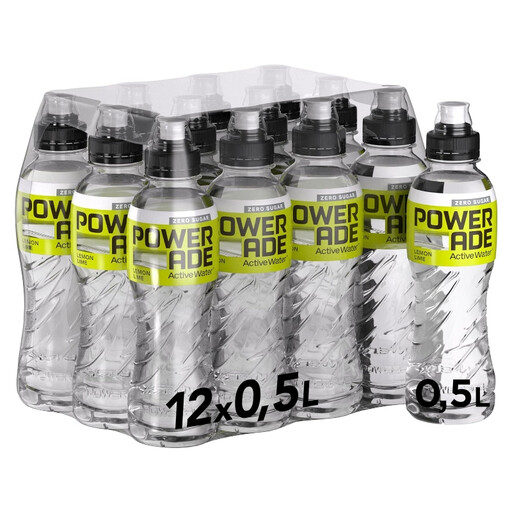
Why This Fits Their Persona: This ready-to-drink beverage is designed as an isotonic sports drink. It's ideal for athletes who want to quickly replenish fluids and minerals during or after a workout without consuming sugar or calories.
The vitamin promise is backed by a clear functional purpose: the added B vitamins (Niacin, B6) and minerals (sodium) are relevant for hydration and energy metabolism during sports and are included in declared amounts.
Isotonic Formula: Ensures rapid absorption of fluids and electrolytes. Calorie-Free: Provides refreshment and function without calories.
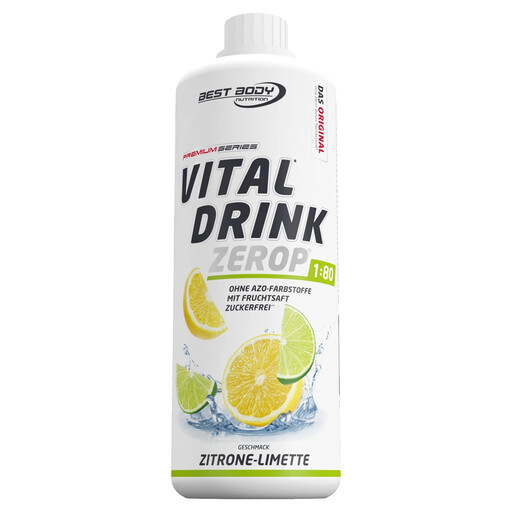
Why This Fits Their Persona: A highly economical solution for daily use at home. The large 1-litre bottle is ideal for families and heavy consumers. Its suitability for water carbonators makes it a versatile alternative to expensive ready-made sodas.
The product specifies a clear mixing ratio that yields approximately 80 litres. This is a transparent claim that avoids the misleading yield trap and allows for an accurate cost calculation per litre.
Highly Economical: One bottle makes up to 80 litres of finished drink. Versatility: According to the manufacturer, it is also suitable for water carbonators.
We've compiled a complete, up-to-date list of products that fully meet these strict selection criteria and UK regulations.
1. How long does an opened bottle of drink syrup last? Most manufacturers recommend storing the opened syrup in the refrigerator and consuming it within 4 to 8 weeks. Always follow the specific instructions on the product label, as shelf life can vary depending on preservatives and ingredients.
2. Are drink powders suitable for water carbonators? Not all of them. Syrups are generally better suited. It is important to follow the instructions of both the drink product manufacturer and the water carbonator manufacturer. As a rule, the syrup or dissolved powder should only be added to the water after carbonating to prevent the appliance from fizzing over. Some products, like the Best Body Nutrition Vital Drink, are explicitly advertised as suitable for water carbonators.
3. Do sugar-free drink powders contain calories? In most cases, the calorie content per serving is negligibly low (typically 1-2 kcal per 100 ml of finished drink). This is because calorie-free sweeteners are used instead of sugar. Products containing maltodextrin as a carrier or fructose may have a slightly higher, but still very low, calorie count. A look at the nutritional table will provide precise information.