
Lieferung heute & morgen

Qualitätsgarantie

Willkommens-Angebote freischalten: KOSTENLOSE Lieferung | Bis zu 80 % RABATT | Kostenlose 30-Tage-JoyPlus-Testphase
App herunterladen
As your Joybuy Product Recommendation Officer, I see it as my mission to bring clarity to the often confusing world of consumer goods. When you want to buy lemon soda, you're faced with a shelf full of promises. But not every lemon-flavoured soft drink delivers on its claims. Before you make your choice, it's helpful to know the most common pitfalls that can lead to a disappointing experience.
The 3 Most Common Pitfalls When Buying Lemon Soda:
To make an informed decision that meets your needs, you should check three core aspects. These will help you objectively evaluate product quality before you order lemonade online.
The ingredients list provides precise information about the sweetness. Pay attention to the order and the terminology:
An authentic taste depends directly on the ingredients.
The packaging affects not only handling but also the freshness of the product.
Based on these objective criteria, we have identified several products that are well-suited for different usage scenarios.
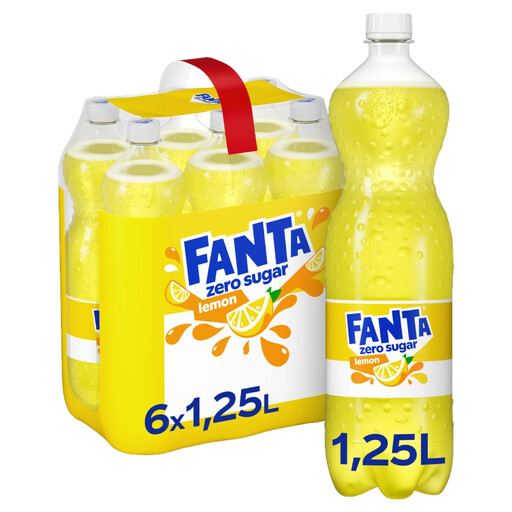
Why this product is a great fit: Ideal for anyone who wants to enjoy a refreshing drink regularly without consuming sugar or calories. The bulk pack is convenient for stocking up at home, ensuring a chilled bottle is always ready.
This product consistently avoids the sugar trap by being formulated as a "Zero" version. The nutrition table shows 0g of sugar and only 2 kcal per 100 ml, providing maximum transparency.
Calorie- and sugar-free recipe. The 1.25-litre bottles in a 6-pack offer good value for money for regular consumption.
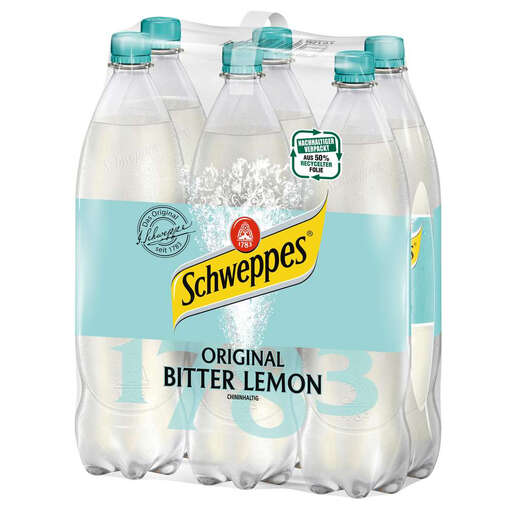
Why this product is a great fit: An established classic specifically designed for mixing cocktails and long drinks. The tart note of quinine and the strong carbonation harmonise perfectly with spirits like gin or vodka, but are also great for enjoying on their own.
This product avoids the trap of vague "natural flavour" by clearly highlighting its key ingredient, quinine. The taste is not just sweet and sour, but intentionally bitter and complex for its role as a mixer.
Contains quinine for the authentic bitter lemon taste. The recipe, with 3% lemon juice from concentrate and strong carbonation, is designed for mixing.
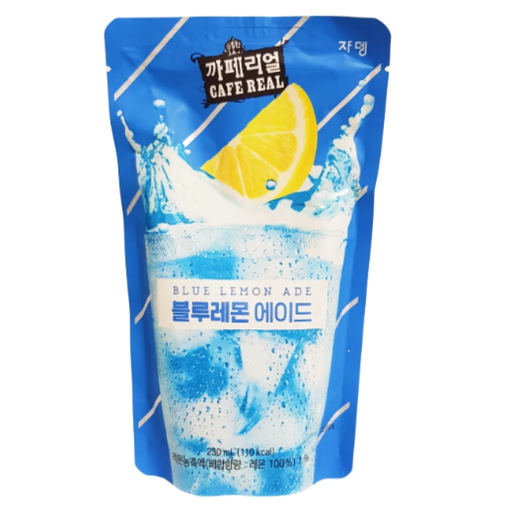
Why this product is a great fit: For anyone curious about new taste experiences. This Korean lemonade offers a change from conventional lemon sodas with its vibrant blue colour and sweet-and-sour flavour profile. The pouch packaging is convenient for on-the-go.
This product doesn't fall into the trap of false naturalness. It's an experience-focused drink whose appeal lies in its uniqueness and striking appearance. It doesn't promise a classic lemonade, but a modern, Asian beverage.
Unique appearance due to the E133 colouring and a sweet flavour profile. The 230 ml pouch is a practical single serving for direct consumption.
We've compiled a complete, up-to-date list of products that fully meet these strict selection criteria and UK regulations.
1. What is the difference between Bitter Lemon and regular lemon soda? The key difference lies in the ingredient quinine. Bitter Lemon contains quinine, which is responsible for its characteristic bitter taste. It was originally developed as a remedy for malaria in the tropics and has become established as a popular mixer. A regular lemon soda focuses on a sweet-and-sour flavour profile without this tart note.
2. How long does an opened bottle of soda last? After opening, the carbonation gradually escapes. An opened bottle should be tightly sealed, stored in the refrigerator, and ideally consumed within two to three days to ensure the best possible taste and fizz. Smaller containers like 0.33 L or 0.5 L bottles are often the better choice if you don't plan to consume the soda quickly.
3. Are sodas with sweeteners a healthy alternative? Sugar-free sodas are an effective way to reduce your intake of sugar and calories. They are sweetened with zero-calorie sweeteners like aspartame, acesulfame K, or sucralose. The taste perception of these sweeteners is subjective. Products containing aspartame carry the legally required notice "contains a source of phenylalanine." This is important for people with the rare metabolic disorder phenylketonuria (PKU).