
Lieferung heute & morgen

Qualitätsgarantie

Willkommens-Angebote freischalten: KOSTENLOSE Lieferung | Bis zu 80 % RABATT | Kostenlose 30-Tage-JoyPlus-Testphase
App herunterladen
Finding the right lemon soda can be more complicated than it seems. The market is vast, ranging from classic brands to international specialities. But not every lemon-flavoured soft drink delivers on its promise. As your Joybuy Product Recommendation Officer, I'm here to help you navigate common purchasing pitfalls and make an informed decision.
Many shoppers choose based on familiar names or appealing labels, only to discover unexpected downsides later. The most common issues include:
To avoid these pitfalls, it's helpful to focus on a few objective criteria before you buy a lemon soda.
A smart choice isn't based on marketing promises, but on verifiable facts. The following three parameters are crucial for the quality and value for money of your lemon soda.
The key quality indicator for an authentic taste experience is the fruit juice content. Check the ingredients list for terms like "lemon juice from concentrate" and the corresponding percentage.
The nutrition table reveals the actual sugar content. There are clear differences here that are relevant for health-conscious buyers and families.
Not all lemon sodas are the same. The profile can vary significantly and should match your intended use.
Based on these criteria, we have curated a selection of products suitable for different needs and taste preferences.
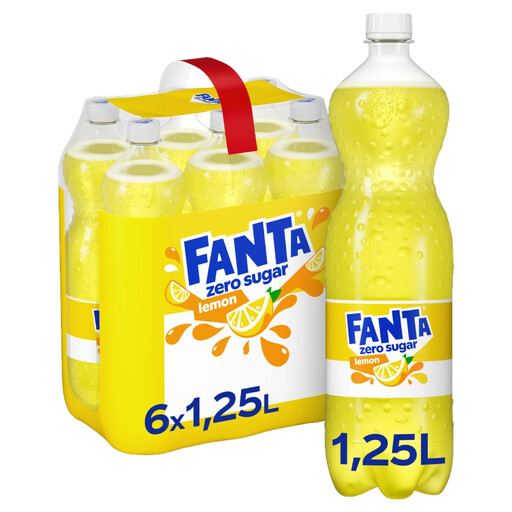
Why it's a great fit: Ideal for anyone who wants to enjoy classic lemon flavour without the sugar and calories. The bulk pack offers excellent value for money for regular consumption or stocking up at home.
The clear "Zero Sugar" labelling avoids the hidden sugar trap. The bulk pack allows for a transparent price-per-litre comparison and protects against the overpriced single-unit trap.
Delivers full flavour with only 2 kcal per 100 ml. Contains 1% lemon juice from concentrate for a fruity note.

Why it's a great fit: This Italian soda is the choice for special occasions or for connoisseurs who value authentic taste. The elegant glass bottles make it a stylish companion for meals or social gatherings.
The product uses real lemon juice from concentrate instead of just flavourings, thus avoiding the "natural flavour" trap. The taste is authentic and not overly sweet.
Made in Italy with juice from sun-ripened lemons. It offers a refreshing, sparkling, and less sweet taste experience (4 g of sugar per 100 ml).
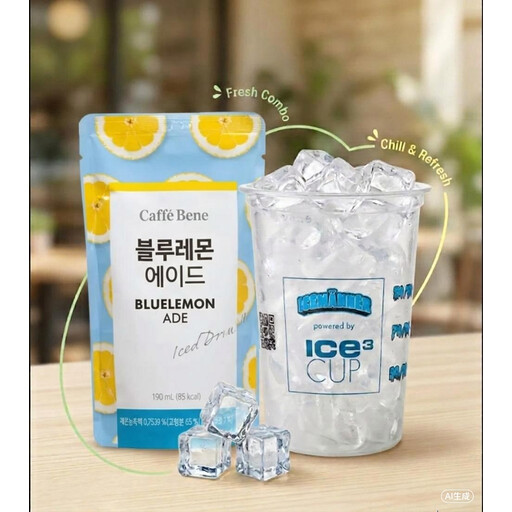
Why it's a great fit: For anyone looking for a change from conventional sodas. This Korean beverage offers a unique visual and taste experience reminiscent of modern café culture. Ideal for on-the-go thanks to its convenient pouch packaging.
This product is clearly positioned as a modern, stylish beverage, not a traditional, natural soda. The ingredient list is transparent, making it clear that this is a flavoured and coloured drink.
Delivers an authentic Korean café experience with a striking blue colour and a sparkling, sweet lemon flavour. The pouch packaging is innovative and practical.
We have compiled a complete, up-to-date list of products that fully meet these strict selection criteria and our quality standards.
1. What is the difference between lemon soda and bitter lemon? The main difference is the ingredient quinine. Classic lemon soda has a sweet-and-sour flavour profile. Bitter lemon has added quinine, which gives it a characteristic tart to bitter note. This makes it not only a treat on its own for lovers of more robust flavours but also a very popular mixer for spirits like gin.
2. How do I properly store opened bottles of lemon soda? To preserve carbonation and freshness, opened bottles should always be kept tightly sealed in the refrigerator. It is recommended to consume the contents within a few days, as the carbonation will dissipate over time and the flavour will diminish.
3. Are sugar-free lemon sodas really completely calorie-free? Most sodas labelled as "Zero" or "sugar-free" are extremely low in calories, but not always 100% calorie-free. They often contain 1–2 kilocalories per 100 ml. Instead of sugar, they use sweeteners like aspartame, acesulfame-K, or sucralose. A look at the nutrition label provides precise information about the energy content.