Which microwave is right for you?

Heating portions of dal

If you mainly heat up individual portions you’ve prepared in advance, choose a suitable microwave-safe dish and controls that make it easy to adjust the time and power. The German consumer advice centre recommends stirring food after heating.

For shared use, with easy cleaning in mind

In a shared kitchen, an interior that’s easy to wipe down, a removable turntable and a simple cleaning routine all matter. Covering food can help reduce splashes; the German consumer advice centre also stresses the importance of stirring food as it heats.

A kitchen with a range of cooking tasks

If you’ll also use the appliance to defrost food or prepare other dishes, additional programmes or combination functions may be useful. Consider whether these tasks really justify the extra space and more involved controls.

What should you look for when buying?

Straightforward solo microwave

A good fit if: you mainly heat up individual portions and easy-to-understand controls are important.

The trade-off: the solo models described here don’t have a grill or convection function.

Solo microwave with extra settings

A good fit if: other people will be defrosting food or preparing a variety of dishes and would like more settings.

The trade-off: extra programmes or controls may be unnecessary if you’re only heating dal.

Combination microwave with grill or convection

A good fit if: people will regularly be baking or browning food in the shared kitchen too.

The trade-off: these extra functions don’t remove the need to stir food for even reheating, and they take up space.

What matters What to check when buying Who is this especially important to?
Heating dal evenly Use a covered dish and choose suitable power and time settings; stir part-way through. The German Federal Institute for Risk Assessment recommends heating food to at least 70 °C for two minutes throughout. When I heat up leftovers, I want to cover them, stir them and make sure they’re hot enough all the way through. Around 36% of consumers put even, hygienic reheating first.
Easy removal of splashes Check the interior and removable turntable; use a cover and agree on a cleaning routine for shared use. When several people use the same appliance, I want to be able to clean up splashes easily. Around 29% of consumers particularly value easy cleaning.
Space and controls Check the exterior dimensions, dish and turntable; the controls should be easy for everyone using the microwave to understand. When worktop space is limited and several people will be using the appliance, I want to compare its size and settings in advance. Around 21% of consumers prioritise size and ease of use.
Extra functions and energy use Choose between solo, inverter or combination functions based on how you’ll actually use the appliance. The German Environment Agency notes that microwave appliances do not have an energy label; compare the standby figures for the specific model. If I want to use functions beyond reheating or keep an eye on electricity use, I check the figures for the specific model. Around 14% of consumers prioritise extra functions or energy use.

Common buying mistakes

  • Assuming a high wattage or automatic programme means you don’t need to stir thoroughly

    The rated power alone can’t ensure that leftovers are heated sufficiently throughout. The German consumer advice centre recommends stirring food as it heats in the microwave; the German Federal Institute for Risk Assessment recommends heating it to at least 70 °C for two minutes throughout.

    Cover the dal, stir it while it heats and check the temperature of the food.

  • Looking only at the cavity capacity

    Even if the cavity is big enough, your dish may be too wide for the turntable or may not fit comfortably with its cover on.

    Check the dimensions of your dish and the turntable, as well as the exterior dimensions of the specific model.

  • Paying extra for a grill and convection function just to heat dal

    These functions are intended for other cooking tasks; there’s no established benefit to having them if you’re only reheating food.

    Decide which cooking tasks you’ll share the appliance for, then choose between a solo and a combination microwave.

  • Confusing a manufacturer’s guarantee with your statutory rights

    The German consumer advice centre distinguishes between your statutory consumer rights and a voluntary manufacturer’s guarantee. An additional guarantee may be limited to certain parts or types of use.

    Read the terms of any additional manufacturer’s guarantee separately from your rights against the retailer.

Brands to consider

Severin

The MW 7790 is an example of a simple solo microwave with mechanical controls.

  • Severin lists the MW 7790 as having a 20 l cavity, 700 W, five power levels and a removable turntable.
  • According to the manufacturer, this model has neither a grill nor a convection function. The turntable doesn’t remove the need to stir dal.

Samsung

According to its model specifications, the MS23K3513AW/EN solo microwave offers extra programmes and a ceramic-enamel interior.

  • Samsung describes the smooth interior walls as easy to wipe down and lists a Quick-Defrost function.
  • The manufacturer’s information doesn’t prove that this model is easier to clean after heating dal or that it heats food evenly enough without stirring.

Bosch

According to Bosch, the freestanding FFL023MS2 solo microwave has automatic programmes and a cleaning aid.

  • Bosch lists a 20 l cavity and a maximum microwave power of 800 W.
  • According to the manufacturer, the cleaning aid is intended for light soiling and isn’t a guarantee of self-cleaning. The model page states that the maximum power is regulated down to 600 W during extended operation.

LG

According to LG, the MS2595CIS solo model has a 25 l capacity, 1,000 W, Smart Inverter and EasyClean.

  • LG says its inverter technology helps heat food more evenly.
  • This isn’t an independent comparison using dal, nor a guarantee that food will heat evenly without stirring. According to LG, the additional eight-year parts warranty covers the magnetron, excludes commercial use and doesn’t apply to the whole appliance.

Panasonic

The NN-CD88 is a combination option with microwave, grill, convection and Airfry functions.

  • Panasonic lists a 34 l cavity and a turntable with a diameter of 360 mm.
  • There’s no established benefit to having these combination functions if you’re only heating dal. Check the model suffix and features carefully before buying.

Microwaves for dal in a shared kitchen

The Joybuy products below are freestanding solo microwaves for heating or defrosting food. They vary in features such as controls, power levels and cleaning functions. Even with an inverter, you should cover the dal and stir it as it heats.

Severin MW 7580 solo microwave with inverter, 19 l, 700 W

Severin MW 7580 solo microwave with inverter, 19 l, 700 W

For individual portions when you want to adjust the power level; remember to stir the dal part-way through.

Features an inverter, two rotary controls, a timer and a glass turntable with a diameter of 24,5 cm.

Joybuy

Heinrich’s solo microwave, 20 l, 700 W

Heinrich’s solo microwave, 20 l, 700 W

An option for shared kitchens if you value rotary controls and an easy-to-wipe interior; stir the dal as it heats.

Features six power levels, a defrost function, a 30-minute timer and a turntable.

Joybuy
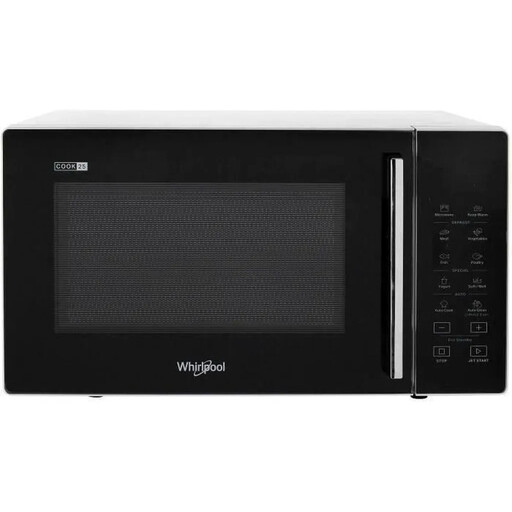
Whirlpool MWP 251 SB solo microwave, 25 l, 900 W

Whirlpool MWP 251 SB solo microwave, 25 l, 900 W

For anyone who needs to fit a larger dish inside; check that your bowl fits on the turntable and remember to stir the dal.

Features seven power levels, a turntable with a diameter of 27 cm, a digital timer and Jet-Start. The product description also lists Auto Clean; it says steam helps loosen residue so it can be wiped away.

Joybuy
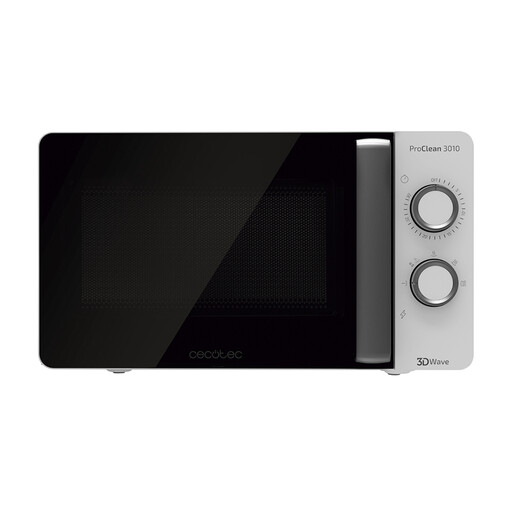
Cecotec solo microwave, 20 l, 700 W, with Ready2Clean coating

Cecotec solo microwave, 20 l, 700 W, with Ready2Clean coating

For a shared kitchen where you want to adjust the power and wipe splashes from the interior; remember to stir the dal too.

Features six power levels and a Ready2Clean coating, according to the product information.

Joybuy
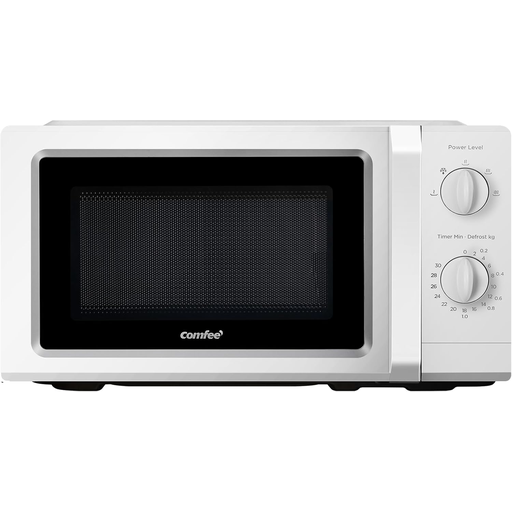
COMFEE CMO-MP012OC(WH) inverter microwave, 19 l, 700 W

COMFEE CMO-MP012OC(WH) inverter microwave, 19 l, 700 W

For individual portions if you’re looking for an inverter microwave with adjustable power levels; you’ll still need to stir the food.

Features five power levels, a defrost function, a timer and a turntable with a diameter of 245 mm.

Joybuy

Frequently asked questions

Can I simply use an automatic programme to heat up chilled lentil dal?

A programme doesn’t remove the need to check and stir the food. The German Federal Institute for Risk Assessment recommends heating food to 70 °C throughout for at least two minutes; the German consumer advice centre recommends stirring food when heating it in a microwave. Keep highly perishable leftovers chilled until you’re ready to heat them.

What dish and cover should I use?

Use a microwave-safe dish and check that the cover is suitable too. According to the German consumer advice centre, a suitable porcelain plate can be used as a cover; don’t put metal cutlery in the microwave. Remove hot stews carefully and stir them.

Where should I put the microwave in a shared kitchen, and how do I look after it?

Before positioning the appliance, check its dimensions and the ventilation requirements in the instructions. Cover food and wipe up splashes promptly. According to the manufacturer, the turntable in the Severin MW 7790 can be removed for cleaning.

Does a microwave need an energy-efficiency label?

According to the German Environment Agency, microwave appliances do not have an energy label. Instead, compare the energy-use figures for each model, particularly for standby mode.

Who should I contact if it breaks, and where can I take an old appliance?

Your statutory consumer rights generally apply against the retailer; a manufacturer’s guarantee is separate, as the German consumer advice centre explains. Old electrical appliances should be taken to a separate collection point, such as a local authority recycling centre. Whether a retailer will take back an appliance depends on the requirements in force.