Batch cooks planning meals for the week
You make lentil soup to see you through several working days, so getting the batch size right matters more than simply choosing the largest stated capacity.


Choose a model that explicitly lists pressure cooking and has an approved fill level suited to your soup portions — the stated capacity in litres alone won’t tell you how much lentil soup you can make. The German Federal Institute for Risk Assessment (BfR) recommends soaking dried lentils for at least five hours, discarding the soaking water and cooking them in fresh water. For storage, the BfR recommends cooling hot food quickly to below 7 °C, keeping highly perishable food at between 2 °C and no more than 7 °C, and keeping it chilled when you’re out and about.
You make lentil soup to see you through several working days, so getting the batch size right matters more than simply choosing the largest stated capacity.
You want to make soup with minimal hands-on work and value straightforward pressure-cooking and pressure-release functions.
You tend to cook smaller quantities and weigh up the space the appliance takes up and how easy it is to clean against its capacity and extra features.
First, check the approved fill level for lentils. Then compare how easy the appliance is to use and clean with the space it will take up in your kitchen.
| Consideration | What to check before buying | Who should consider it? |
|---|---|---|
| Usable soup capacity | Compare the stated capacity with the usable capacity, and check the fill limit in the manual for the specific model. The Instant Pot Duo manual limits the fill level to no more than half the capacity for foods that expand. | If I’m batch cooking for several working days, the approved quantity needs to be enough for the lentils and liquid. Around 33% of consumers pay particular attention to batch size. |
| Controls and cooking process | Check that pressure cooking is explicitly listed, and review the controls, manual and pressure-release method for the specific model. | After a day at work, I want to understand the process from building pressure to opening the cooker safely. Around 27% of consumers prioritise a straightforward cooking process with minimal hands-on work. |
| Cleaning after cooking | Check the manual to see which parts can be removed and how the pot, lid, seal and valve should be cleaned. | If I batch cook soup regularly, cleaning up after each batch needs to be manageable. Easy cleaning is the top concern for around 20% of consumers. |
| Counter space and functions | Compare the appliance’s dimensions and usable capacity with your kitchen and the functions you actually want to use. | In a small kitchen, I don’t want to give up space for functions I’ll rarely use. Around 20% of consumers prioritise the space an appliance takes up and a useful range of functions. |
Stated capacity, usable capacity and the approved fill level for pressure cooking are not the same thing. Rommelsbacher lists a stated capacity of six litres and a usable capacity of four litres for the MD 1000. For foods that swell, such as dried pulses, the Instant Pot Duo manual sets a fill limit of no more than half the capacity.
Plan around the usable capacity and the manual for your model, not just the largest capacity figure.
If the permitted quantity isn’t enough for your weekly portions, you may need to cook in several batches.
A keep-warm function isn’t a substitute for cooling and chilling soup for later meals.
Portion the soup after cooking and plan to cool it quickly, store it chilled and keep it cool in transit. For longer-term storage, the BfR recommends cooling hot food quickly to below 7 °C. Highly perishable food should be stored at between 2 °C and no more than 7 °C, and kept chilled when you’re out and about.
Calling an appliance a multicooker or giving it extra programmes doesn’t in itself mean it has a pressure-cooking function.
Check that pressure cooking is explicitly listed for the specific model, and follow its manual for cooking and releasing pressure.
The MeinHans MD 1000 is worth considering for larger batches of soup and adjustable pressure cooking. Rommelsbacher lists a stated capacity of six litres and a usable capacity of four litres.
The Turbo Cuisine CY7548 is a pressure multicooker; its usable capacity matters when choosing a size for your planned batch.
The Duo range offers pressure cooking and other functions. Choose the right size and version for your needs by checking the details of the specific model.
The OP300EU multicooker is worth considering if you want a range of cooking methods as well as the ability to make soup.
This selection includes electric pressure multicookers for lentil soup and weekday meal prep. The key things to check are the approved fill level for lentils and the cooking functions you actually need.
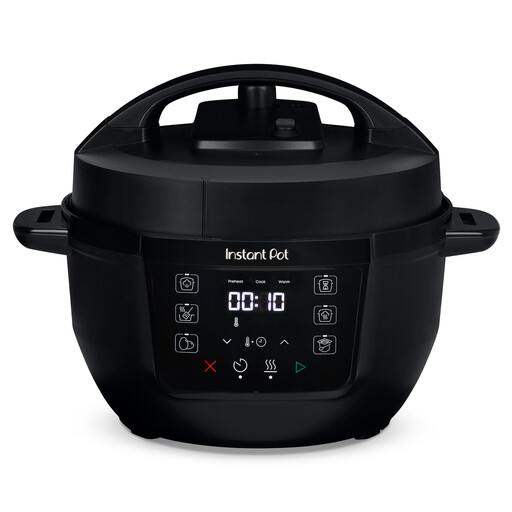 No image available
The Mini version is worth considering for smaller batches. Check the manual to see how much lentils and liquid you can use for pressure cooking.
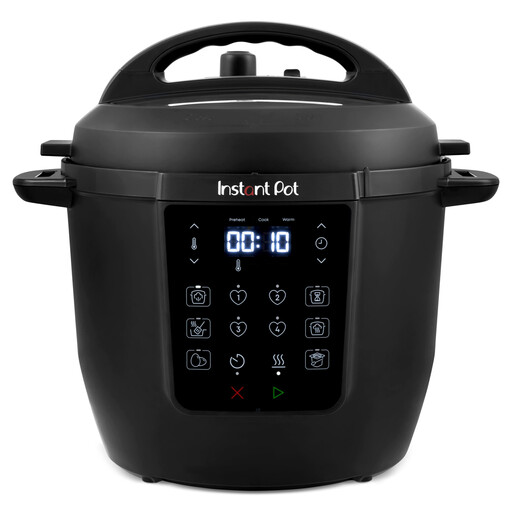 No image available
The capacity in litres can help when planning a larger batch, but it doesn’t tell you how much finished soup the cooker will hold. Check the fill limit for lentils in the manual for this specific model.
The name “Classic” doesn’t mean this model has been confirmed as an identical replacement for a Duo range appliance.
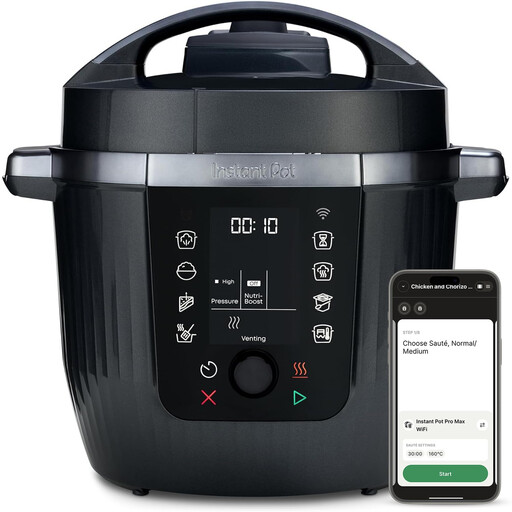 No image available
If you want to use cooking methods other than pressure cooking, a multicooker may fit your routine. Still, check the approved fill level for your lentil soup.
Specifications listed: 5,7 L, 1.200 W and 10-in-1.
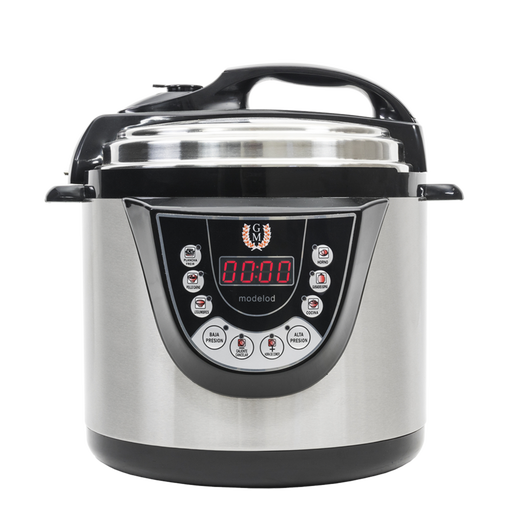 No image available
If you want to use a soup programme and two pressure settings, check the model’s manual and approved fill level for lentils.
Specifications listed in the product name: 6 L, 2 pressure settings and 9 menus.
 No image available
The 8-litre capacity gives you a useful starting point when comparing models for larger batches, but it doesn’t replace checking the permitted fill level for lentils when pressure cooking.
Specifications listed in the product name: 8 L, 1.200 W and 12 pre-set menus.
Not necessarily. Check the usable capacity and the manual for the specific appliance. The Instant Pot Duo manual limits the fill level to no more than half the capacity for foods that swell, such as dried pulses. Don’t assume this limit applies to other models without checking.
No. Only open a pressure cooker once the pressure has been fully released, and follow the instructions for your specific model.
For longer-term storage, the BfR recommends cooling hot food quickly to below 7 °C, storing highly perishable food at between 2 °C and no more than 7 °C, and keeping it chilled when you’re out and about. Keeping soup warm in the appliance doesn’t replace chilling it.
The BfR recommends soaking dried pulses such as lentils for at least five hours, discarding the soaking water and then cooking them in fresh water. Also follow the preparation and fill-level instructions for your type of lentils and appliance model.
The relevant EU product rules apply to each appliance. CE marking is required only when the applicable harmonised EU rules specifically require it. The EU’s Your Europe information portal explains that CE marking is not official product approval; food-contact materials are subject to separate EU requirements. The Verbraucherzentrale distinguishes statutory consumer rights against the seller from a voluntary guarantee.