Which option suits you?

Keeping lettuce fresh

If you’re storing delicate leaves only briefly before eating or preparing them, what matters most is an easy-to-reach salad drawer and protected storage. The Federal Centre for Nutrition recommends keeping fresh lettuce for one to two days.

Preparing other ingredients in advance

If you also freeze suitable ingredients or prepared meals in portions, as well as storing lettuce, make sure the fridge and freezer sections each have enough capacity for your needs. The Consumer Advice Centre points out that lettuce turns limp when thawed.

Balancing space and energy use

If floor space and running costs matter to you, compare the external dimensions, the capacity of each compartment and the stated annual energy consumption. The Consumer Advice Centre recommends choosing an appliance size to suit your actual storage needs.

What to look for when buying

Use your existing fridge or choose a fridge without a freezer compartment

Best if: You only store lettuce briefly before eating or preparing it, and can freeze food elsewhere or don’t need a freezer compartment at all.

Things to consider: A salad drawer and space for leaves without squashing them are the priorities. Without a freezer compartment, you won’t be able to freeze fresh food in the appliance.

Fridge-freezer

Best if: You regularly freeze suitable foods in smaller batches as well as storing lettuce for a short time, and need both compartments in one appliance.

Things to consider: Check the freezer capacity separately and make sure the freezer compartment is suitable for how you plan to use it. It won’t make thawed lettuce crisp again.

Fridge and separate freezer

Best if: You often freeze larger quantities of suitable foods and genuinely need the extra freezer space.

Things to consider: More freezer space and the flexibility to choose separate appliances require extra floor space. Choose the size to suit the quantities you actually freeze.

Buying priority What to check Who it matters most to
Storing leaves fresh and uncrushed Accessibility and space in the salad drawer; check humidity controls for the specific model only. If I’m keeping leaves only until I’m ready to prepare them, I want to store them safely without squashing them. Around 36% of consumers prioritise keeping food fresh.
Freezing suitable foods Check the quantities you plan to freeze, whether the freezer compartment is suitable and its stated capacity. I also freeze other suitable ingredients or meals in portions and want enough space to do so. Around 29% of consumers prioritise freezing food in batches.
Storage space and appliance dimensions Compare fridge and freezer capacities separately, as well as the height, width, depth and door clearance, with the available space and your needs. With limited kitchen space, I need to balance the available floor area with the compartments I need and drawers I can reach. Around 21% of consumers prioritise space and fit.
Energy consumption Compare annual consumption in kWh and capacity across similarly sized appliances. Use your own electricity tariff to work out the cost. If I use a cooling appliance all the time, I want to weigh its stated annual energy consumption against the extra storage space. Around 14% of consumers prioritise running costs.

Common buying mistakes

  • A freezer compartment will keep thawed lettuce crisp

    That’s not a realistic expectation: according to the Consumer Advice Centre, lettuce with a high water content turns limp when thawed.

    Use the freezer compartment for other foods or meals that you actually want to freeze.

  • A freshness drawer guarantees a certain shelf life

    Manufacturers describe the features of their drawers, but that doesn’t guarantee lettuce will keep for a set amount of extra time. The Federal Centre for Nutrition recommends storing fresh lettuce covered and only for a short time.

    Check the instructions for the specific drawer and use delicate leaves promptly.

  • Total capacity or the energy efficiency rating alone is enough to compare appliances

    Fridge and freezer capacities, as well as annual energy consumption, are listed separately. A large total capacity doesn’t tell you whether the compartment you need has enough space.

    Compare the capacity you need in litres and the annual energy consumption of similar appliances using the EU energy label.

Relevant brands and model ranges

Bosch

The KGN39EXCF combines a VitaFresh drawer in the fridge section with a separate freezer section, making it a potential option for households that need both.

  • According to Bosch: 260 l fridge capacity, 103 l freezer capacity, annual energy consumption of 162 kWh and dimensions of 203 × 60 × 66,5 cm.
  • The manufacturer’s information about the freshness system doesn’t prove that lettuce will keep for a specific amount of extra time.

Liebherr

The CBNdgc 5723 Plus combines a Fruit & Vegetable-Safe, which the manufacturer says has higher humidity, with NoFrost.

  • According to Liebherr: 360 l total capacity and dimensions of 201,5 × 59,7 × 67,5 cm.
  • Claims about longer-lasting freshness and lower energy consumption come from the manufacturer; the total capacity doesn’t show the size of each compartment separately.

Siemens

The KG39NAIAU combines hyperFresh with a separate freezer compartment, making it a potential choice if energy use and noise levels matter too.

  • Siemens lists 260 l fridge capacity, 103 l freezer capacity, 29 dB(A) and energy efficiency class A.
  • These are model-specific details from the manufacturer, not measurements of how long lettuce stays fresh.

Beko

The integrated BCHA275K4SN offers a fridge-freezer solution for kitchens with a suitable built-in space.

  • Beko lists dimensions of 177,5 × 54 × 54,5 cm, energy efficiency class E and Semi No Frost.
  • The claimed effect of HarvestFresh lighting comes from the manufacturer and isn’t independently proven to benefit lettuce storage.

Joybuy products

This selection includes fridges with salad drawers and fridge-freezers for storing lettuce briefly and, if needed, freezing other suitable foods.
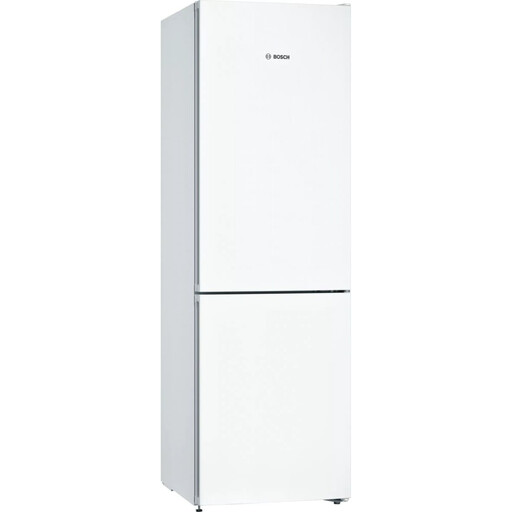
Bosch Serie 4 KGN36VWED fridge-freezer

Bosch Serie 4 KGN36VWED, 326 l

A good fit if you want to store lettuce in the fridge and freeze other suitable foods too.

326 l total capacity, energy efficiency class E, NoFrost and VitaFresh.

Joybuy
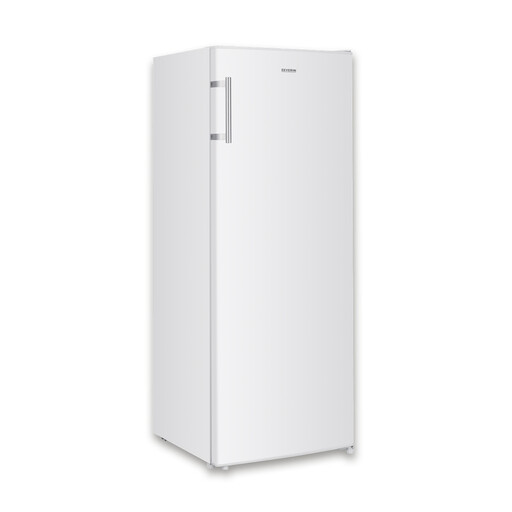
Severin VKS 8817 fridge with salad drawer

Severin VKS 8817 fridge, 242 l

An option for storing lettuce briefly if you don’t need a freezer compartment.

Energy efficiency class D; stated annual energy consumption: 83 kWh.

Joybuy
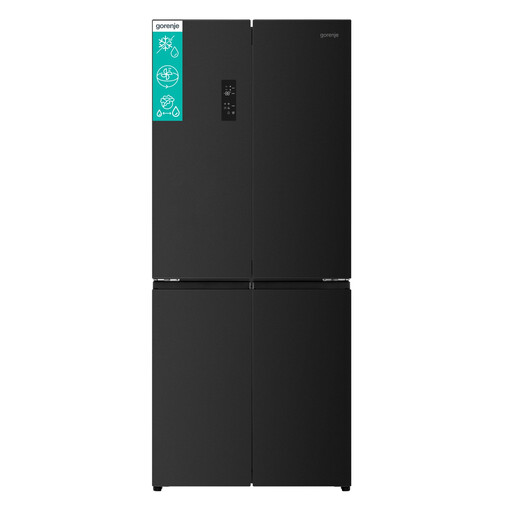
Gorenje NRM819D61BX CrossDoor fridge-freezer

Gorenje NRM819D61BX CrossDoor, 460 l

A good fit for storing lettuce in the fridge and freezing other suitable foods if you need more storage space.

460 l total capacity; NoFrost Plus.

Joybuy

LG GBBSJ1CCPY fridge-freezer

LG GBBSJ1CCPY, 333 l

A good fit if you want to store other suitable foods in the separate freezer compartment as well as keeping lettuce in the fridge.

333 l total capacity, energy efficiency class C and Total No Frost.

Joybuy
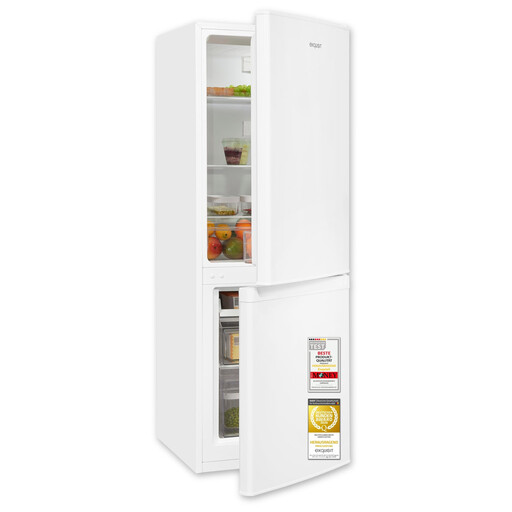
Exquisit KGC5232-60-E-040E fridge-freezer

Exquisit KGC5232-60-E-040E, 173 l

A compact fridge-freezer if you want to store lettuce and freeze other suitable foods too.

173 l net capacity; includes a freezer compartment.

Joybuy

Frequently asked questions

How long can I store fresh lettuce in the fridge before preparing it?

The Federal Centre for Nutrition recommends keeping fresh lettuce for one to two days, protected in a container or bag, or wrapped in a damp cloth. This isn’t a shelf-life guarantee for any particular appliance.

Can I freeze lettuce and serve it crisp once it has thawed?

No. According to the Consumer Advice Centre, lettuce with a high water content turns limp when thawed. In this situation, a freezer compartment is more useful for other suitable ingredients or meals.

When should I choose a fridge-freezer instead of a fridge without a freezer compartment?

A fridge-freezer is a good choice if you regularly freeze other suitable foods as well as storing lettuce for a short time. If you don’t need a freezer compartment, prioritise an easy-to-use salad drawer and enough room in the fridge section.

What should I check before buying for space and energy consumption?

Compare the external dimensions and the separate capacities of the fridge and freezer sections with your available space and storage needs. The Consumer Advice Centre recommends choosing an appliance size to suit your needs. The EU energy label shows the annual energy consumption; to work out your own costs, you’ll also need your electricity tariff.

What scale is used on the EU energy label for fridges?

Since 1 March 2021, fridges and freezers covered by EU rules have been rated on a scale from A to G. The European Commission lists this scale for the relevant household appliances.