
Lieferung heute & morgen

Qualitätsgarantie

Willkommens-Angebote freischalten: KOSTENLOSE Lieferung | Bis zu 80 % RABATT | Kostenlose 30-Tage-JoyPlus-Testphase
App herunterladen
Choosing a new TV in the premium segment can be a challenge given the multitude of technologies and specifications. Terms like Mini-LED, 144Hz, and dynamic HDR are crucial factors that significantly influence the viewing and gaming experience. This article serves as a guide to explain the technical features of current models and to present a selection of devices tailored to the specific needs of home cinema enthusiasts and gamers.
The decision to purchase a high-end device should be based on a well-informed analysis of its core technologies. Three aspects are of particular importance.
A 65-inch Mini LED TV uses thousands of tiny light-emitting diodes for its backlight. Compared to conventional LED TVs, this technology allows for more precise brightness control across hundreds or even thousands of zones (Local Dimming). The result is deeper black levels, higher peak brightness, and an overall more contrast-rich picture that displays details equally well in both dark and bright scenes.
For gamers, a high refresh rate is essential. A 144Hz gaming TV displays motion much more smoothly and sharply than a standard 60Hz or 120Hz device. This is particularly relevant for PC gamers aiming for high frame rates. In combination with HDMI 2.1 ports, features like Variable Refresh Rate (VRR) and Auto Low Latency Mode (ALLM) are supported. VRR synchronises the TV's refresh rate with the output of the graphics card or console, which prevents screen tearing. This makes such an LG 4K TV for PS5 and other modern consoles a future-proof choice.
A smart TV with Dolby Vision and Atmos offers a high-end audiovisual experience. Dolby Vision is a dynamic HDR format that adjusts image parameters scene-by-scene or even frame-by-frame to ensure optimal colour representation and ideal contrast. Dolby Atmos complements this with object-based 3D sound, creating the impression that sound is coming from all directions—including from above. This creates an immersive soundscape that completes the home cinema experience.
Based on technical specifications and feature sets, we have compiled a selection of models suitable for demanding users.
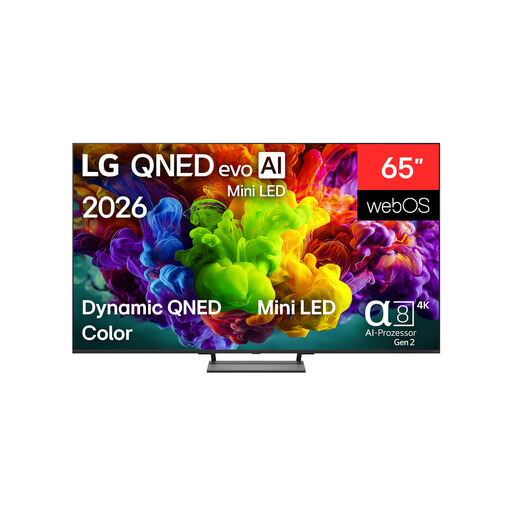
Why this model stands out
The LG 65QNED93B6A combines QNED evo technology with a Mini-LED backlight and Precision Dimming Pro. This combination enables very fine control of brightness across the entire screen, resulting in high contrast and vibrant colours. The α8 Gen2 4K AI Processor analyses picture and sound content in real-time and optimises it. For gamers, the native 144Hz refresh rate, combined with AMD FreeSync and VRR, is a key feature for fluid gameplay.
Advantages
Who is it for? This model is aimed at users seeking a large-format TV with a comprehensive feature set for high-end gaming and sophisticated home cinema. Those who value a high refresh rate, precise brightness control, and a well-established smart TV system will find a suitable solution here.
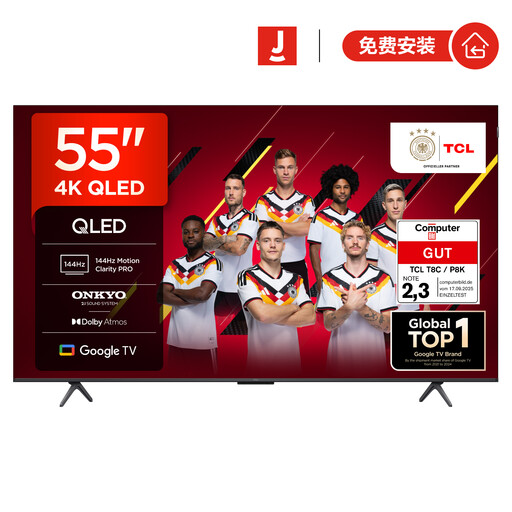
Why this model stands out
The TCL 55T8C features a QLED display with a 144Hz refresh rate and Motion Clarity Pro, also making it a great choice for gamers and sports fans. A special feature is the integrated Onkyo 2.1 sound system with a subwoofer, which delivers solid audio performance without an additional soundbar. The Google TV operating system bundles content and apps on a clear interface and offers easy streaming with its built-in Chromecast.
Advantages
Who is it for? This device is an option for users who prefer the Google TV ecosystem and are looking for a straightforward solution with good integrated audio performance. The high refresh rate and gaming features also make it attractive for console and PC players.
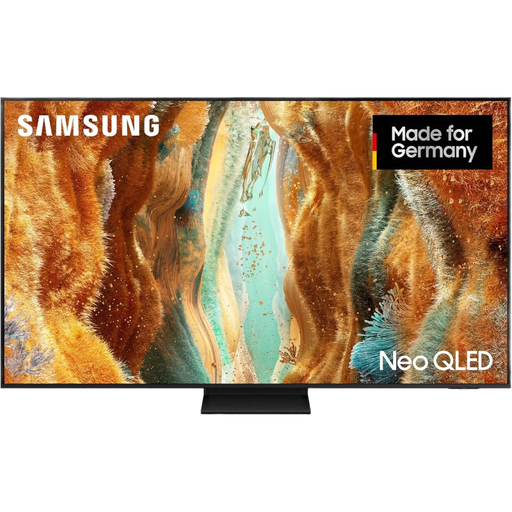
Why this model stands out
The Samsung QN70F uses Neo QLED technology, which is also based on Mini-LEDs, here combined with Quantum Matrix Technology for precise light control. The NQ4 AI Gen2 Processor ensures effective 4K upscaling. With Motion Xcelerator 144Hz, this model also offers smooth motion handling for gaming. The very slim AirSlim Design allows for seamless integration into any living space.
Advantages
Who is it for? This model appeals to users looking for a device with advanced Mini-LED technology in a particularly slim design. Those who appreciate Samsung's Tizen operating system and its smart home features will find a powerful alternative here.
The TV market is constantly evolving, offering a wide range of models for different budgets and needs. The devices presented here represent only a fraction of the available technologies.
Discover our comprehensive selection of AI UHD TVs to find the perfect model for your requirements.
An LG QNED TV uses an LCD panel illuminated by a Mini-LED backlight. This technology allows for very high brightness and good contrast. An OLED TV, on the other hand, has self-lit pixels that can be turned on and off individually. This results in perfect black levels and theoretically infinite contrast, but often with lower peak brightness compared to Mini-LED models.
Current consoles like the PlayStation 5 and Xbox Series X primarily target a 120Hz output. However, a TV with a 144Hz panel is still a good investment as it offers a degree of future-proofing and is particularly advantageous for PC gamers whose graphics cards can generate higher frame rates. The higher refresh rate ensures exceptionally smooth motion.
This term describes LG's local dimming technology for Mini-LED TVs. It allows the device to control brightness in very small, independent zones of the screen. This significantly improves contrast, as bright objects next to dark areas can be displayed precisely without distracting blooming. Analysing features like this is a typical part of a detailed 65QNED93B6A review process.