
Lieferung heute & morgen

Qualitätsgarantie

Willkommens-Angebote freischalten: KOSTENLOSE Lieferung | Bis zu 80 % RABATT | Kostenlose 30-Tage-JoyPlus-Testphase
App herunterladen
The search for a new television can be complex, especially when you have specific requirements for size, technology, and performance. For home cinema enthusiasts and demanding gamers seeking a large-format picture with outstanding quality, an LG 77-inch OLED TV often becomes the top choice. This article serves as a guide to help you understand the technical characteristics and features of relevant models and make an informed decision. We will present a selection of devices and explain the most important criteria for your purchase.
Before you make a decision, several technical aspects that significantly impact the viewing and gaming experience should be considered.
A high refresh rate is crucial for the smooth depiction of fast motion, as seen in action films and video games. A modern 4K Gaming TV should support a native frequency of 120Hz. Some models even offer up to 165Hz through Variable Refresh Rate (VRR). Technologies like NVIDIA G-Sync Compatibility or AMD FreeSync Premium synchronise the graphics card's output with the TV's, minimising stuttering and tearing. Look for the presence of HDMI 2.1 ports, which are essential for transmitting 4K signals at high frame rates.
High Dynamic Range (HDR) expands the contrast and colour range of an image. An OLED TV with Dolby Vision and Atmos offers an advanced solution here. Dolby Vision is a dynamic HDR format that adjusts image parameters scene-by-scene to ensure optimised presentation. Complementing this, Dolby Atmos provides three-dimensional sound, creating the feeling of being in the middle of the action. For a comprehensive 77-inch home cinema TV experience, support for these formats is a key factor.
A 77-inch Smart TV is standard today, but operating systems differ in speed, app selection, and user-friendliness. An LG webOS TV, for example, is distinguished by its intuitive user interface and personalised content recommendations. Check whether all streaming services relevant to you are available as apps and if navigation is smooth and responsive. Features like voice control or compatibility with smart home systems can further enhance ease of use.
Here is a compilation of models that are interesting for demanding users due to their technical specifications.
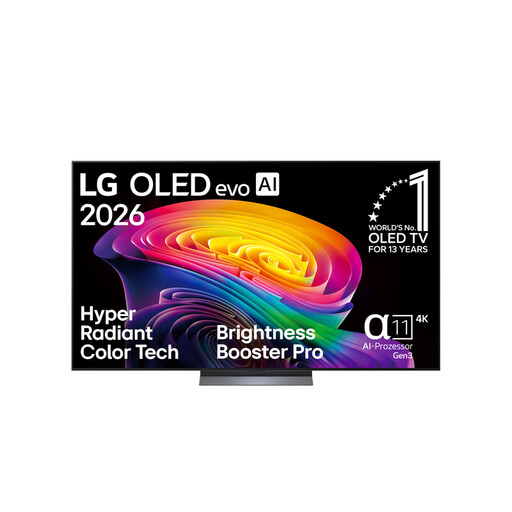
Why This Model Stands Out
The LG OLED77C67LA combines the strengths of OLED technology with advanced processing and gaming features. The α11 AI Processor 4K Gen3 optimises picture and sound in real-time, while the self-lit pixels ensure perfect black and infinite contrast. With a variable refresh rate of up to 165Hz and support for G-Sync and FreeSync Premium, this model is specifically geared towards the demands of next-gen consoles and high-end PCs.
Pros
Who Is It For?
This model is aimed at users who refuse to compromise on picture quality and gaming performance. It is a fitting choice for dedicated home cinema rooms and demanding gaming setups where a large, detailed, and responsive display is the main focus.
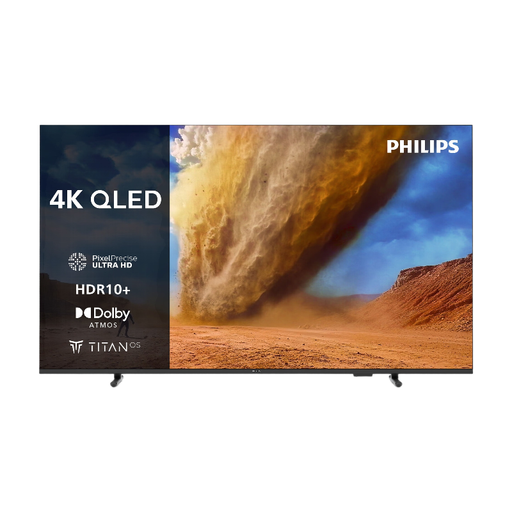
Why This Model Stands Out
The Philips 75PUS7800 offers a very large screen size based on LED technology with Quantum Dots (QLED). The Pixel Precise Ultra HD engine ensures sharp and vibrant images. The operating system is Titan OS, which allows for easy navigation and compatibility with Alexa and Google Assistant.
Pros
Who Is It For?
This device is an option for buyers looking for a very large screen for daily TV viewing and streaming, but who don't necessarily need the contrast performance of OLED technology. It is well-suited for bright living rooms and users who value a good price-to-performance ratio for a large screen.
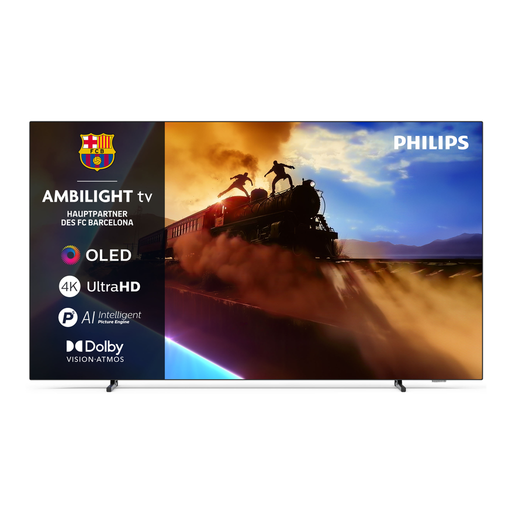
Why This Model Stands Out
The Philips 55OLED760 combines the picture quality of a 4K OLED panel with the unique Ambilight feature. This projects coloured light onto the wall behind the TV that matches the on-screen content, visually expanding the experience and making it more immersive. With 120Hz, VRR, and FreeSync Premium, it is also an interesting choice for gamers.
Pros
Who Is It For?
This model appeals to users who want the picture advantages of OLED technology in a more compact 55-inch size while also appreciating the immersive experience of Ambilight. It is a great choice for film and series fans as well as gamers who want to transform their living room into an atmospheric entertainment hub.
If the models presented here don't exactly match your expectations, or if you'd like to learn about other sizes and technologies, you are sure to find the right device in our wide selection.
? Discover our entire range of Smart TV Displays here
1. What are the advantages of an OLED TV over an LED TV? OLED TVs use self-lit pixels that can be turned on and off individually. This allows for perfect black, as turned-off pixels emit no light. The result is a theoretically infinite contrast and very precise colour reproduction. Additionally, OLED displays typically offer wider viewing angles than most LED models.
2. Is an LG 77-inch OLED TV suitable for bright rooms? Modern OLED TVs have made significant strides in peak brightness in recent years. They are well-suited for most living rooms with normal daylight. In very bright rooms flooded with direct sunlight, a high-end LED TV (QLED or Mini-LED) may have an advantage in reducing reflections due to its higher maximum brightness. However, for the optimal home cinema experience, which often takes place in darkened environments, the contrast performance of OLED is superior.
3. What connections are required for next-gen gaming on a 4K TV? To use all the features of current game consoles like the PlayStation 5 or Xbox Series X, at least one HDMI 2.1 port is required. This standard supports key features such as 4K resolution at 120 frames per second (4K@120Hz), Variable Refresh Rate (VRR), and Auto Low Latency Mode (ALLM). These technologies ensure an exceptionally smooth and responsive gaming experience.