
Lieferung heute & morgen

Qualitätsgarantie

Willkommens-Angebote freischalten: KOSTENLOSE Lieferung | Bis zu 80 % RABATT | Kostenlose 30-Tage-JoyPlus-Testphase
App herunterladen
Choosing a new television, especially in the premium segment, can quickly become overwhelming. Marketing jargon and a flood of technical specs make the decision difficult. As your Joybuy Product Recommendation Officer, I'm here to help you understand the key features of an LG OLED TV and avoid common purchasing pitfalls, so you can make an informed decision for your home cinema or gaming setup.
Before we dive into the technical details, let's highlight two common marketing traps that often lead to buyer's remorse.
To find the right LG OLED TV, focus on these three objective criteria that have a direct impact on your viewing and gaming experience.
OLED technology is renowned for its perfect blacks and the resulting infinite contrast, as each pixel illuminates itself and can be turned off completely. The next evolution, LG OLED evo, takes this a step further. These panels use optimised driving circuitry and new luminous materials to achieve higher peak brightness.
For demanding gamers, specific gaming features are essential. A modern 4K gaming TV should offer more than just a high resolution.
For a cinematic experience, the supported HDR and audio formats are critical.
Here are some models tailored to specific use cases.
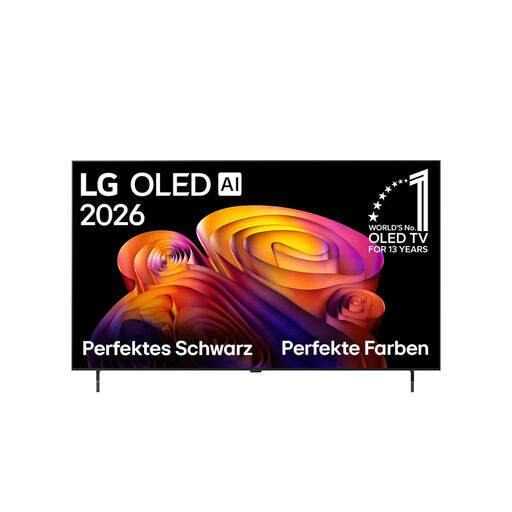
Why This Fits Their Persona: This model is strictly tailored to the needs of PC and console gamers who refuse to compromise on performance. The LG OLED 55-inch size is ideal for an immersive gaming experience without dominating the room.
It avoids the pitfall of misleading refresh rates by featuring a native 144Hz panel and full VRR support, rather than relying on software-based tricks.
A full suite of gaming features including G-Sync, FreeSync Premium, and four HDMI 2.1 ports for next-gen consoles and PC.
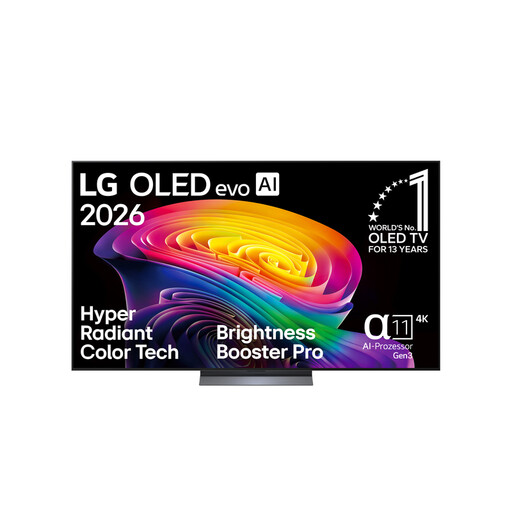
Why This Fits Their Persona: For film and series lovers seeking a large screen size and uncompromising picture quality. The 77-inch display creates a true cinema atmosphere in your own living room.
The α11 AI Processor is made tangible here through concrete features like "Hyper Radiant Color Technology." The LG OLED evo panel delivers objectively higher brightness.
The combination of a large screen, an evo panel for high brightness, and full support for Dolby Vision HDR & Dolby Atmos creates an immersive cinematic experience.
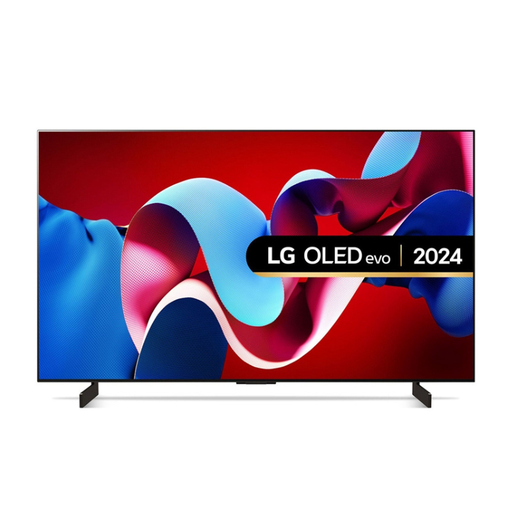
Why This Fits Their Persona: Ideal for users who want premium features in a smaller form factor—whether for a study, a bedroom, or as a high-end gaming monitor that doubles as a TV.
This model offers premium technologies like the OLED evo panel and 144Hz VRR in a size where often only stripped-down versions are available. The guaranteed update policy for LG Smart TV webOS ensures the software's longevity.
Combines the picture quality of the LG C-Series OLED with high-end gaming features in a compact and versatile 42-inch format.
We have compiled a complete, up-to-date list of products that fully meet these strict selection criteria and German safety regulations.
1. What is the exact difference between LG OLED and LG OLED evo? The main difference is brightness. LG OLED evo panels use an improved panel structure and optimised materials that allow for higher luminance. This results in more vibrant colours and better HDR performance, especially in rooms with ambient light. While standard OLED panels already offer excellent contrast, evo models take brightness to the next level.
2. How do I care for an OLED panel to prevent burn-in? Modern LG OLED TVs have several built-in protective features. These include a Pixel Refresher that runs automatically during extended standby, a Logo Luminance Adjustment that dims static channel logos, and a screen saver. To minimise risk, avoid displaying static images (like menus or news tickers) for many hours at maximum brightness. It's best to leave the TV in standby mode rather than unplugging it completely, as this allows the automatic maintenance cycles to run.
3. Do I need special cables or consoles for a 144Hz TV? Yes, to take full advantage of a 144Hz TV, you need a compatible source and the right cable. A PlayStation 5, Xbox Series X, or a modern gaming PC can output frame rates above 120Hz. To transmit these signals in 4K resolution, an Ultra High Speed HDMI Cable (certified for HDMI 2.1) is required. This is the only way to ensure a stable, lossless transmission of the high data rates.