
Lieferung heute & morgen

Qualitätsgarantie

Willkommens-Angebote freischalten: KOSTENLOSE Lieferung | Bis zu 80 % RABATT | Kostenlose 30-Tage-JoyPlus-Testphase
App herunterladen
Anyone looking to buy Li-Ning basketball shoes for men will often come across product names featuring terms such as “Professional”, “Competition”, carbon plate or SUPER BOOM. These labels describe individual design features, but they do not replace checking the fit, sole material and intended use. For club players, these points are crucial to ensure that a shoe genuinely suits their playing style in both training and competition.
A carbon plate can influence torsional rigidity and power transfer. However, it does not automatically make a shoe suitable for every foot. The width of the forefoot, heel lockdown and flexibility of the outsole are also important. Anyone buying a very tight-fitting shoe simply because it features a carbon plate risks pressure points and an imprecise fit.
Indoor and outdoor basketball shoes are often advertised together. In reality, indoor courts, asphalt and concrete differ considerably. A soft rubber compound can provide excellent grip on clean wooden flooring, but may wear down more quickly on rough surfaces. Before buying, you should therefore be clear about whether the shoe will mainly be used indoors, outdoors or on both types of surface.
Terms such as SUPER BOOM cushioning indicate a particular foam or midsole system. On their own, they do not tell you whether the shoe will feel comfortable for a lightweight guard, a powerful forward or a centre. For quick players, a direct, responsive setup is often more important than an especially soft feel underfoot. The right choice depends on body weight, movement pattern and personal preference.
A GCU rubber outsole is used in various Way of Wade basketball shoes. In the WADE-808-5-ULTRA-V2 variants listed here, GCU is specified in the forefoot; depending on the version, TUFF RB is used in the rear section. This division is of interest to players who frequently brake, pivot and change direction.
The sole profile is just as important as the material when making your choice:
The product descriptions for the WADE-808-5-ULTRA-V2 models mention a SUPER BOOM midsole and, depending on the version, either a full-length carbon construction or one integrated into the heel area. These details should be understood as technical product features, not medical claims.
A more directly tuned basketball shoe can provide a close-to-the-ground feel during explosive acceleration and quick cuts. A more heavily cushioned construction may feel more comfortable during longer training sessions. If you are choosing between two models, you should therefore decide what matters most to you: maximum directness, greater comfort or a balanced combination of both.
The WADE-808-5-ULTRA-V2 descriptions indicate a close-fitting, supportive fit. The standard size is specified for many foot shapes, although the shoe may feel narrower in the forefoot. If you have wider feet or wear thick performance socks, choosing half a size larger may be sensible. This is a guide only and does not replace checking the relevant size chart.
If you are specifically looking for EU 43 basketball shoes, you should also check whether you have selected EU 43, EU 42 1/3 or EU 43 2/3. These sizes are not interchangeable. When trying the shoes on, your toes should not touch the front, while the heel should move as little as possible during lateral steps.
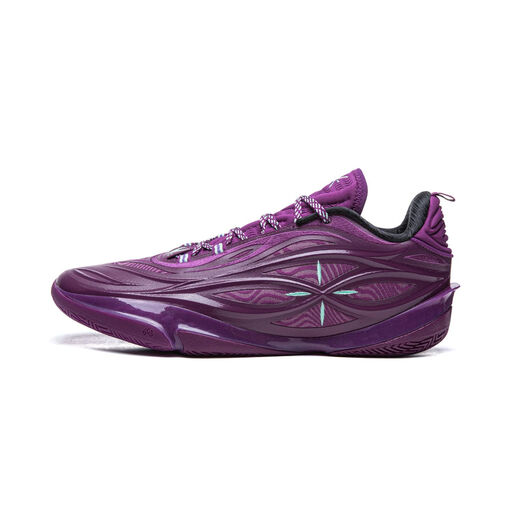
Why this product suits this profile: The EU-43 version offers an accessible entry point into a professionally designed basketball shoe. Before buying, check the price, availability and returns policy directly on the product page.
The product details specify materials such as GCU, TPU and the carbon construction, rather than relying solely on a general performance claim.
GCU outsole, SUPER BOOM midsole and close-fitting textile and TPU upper.
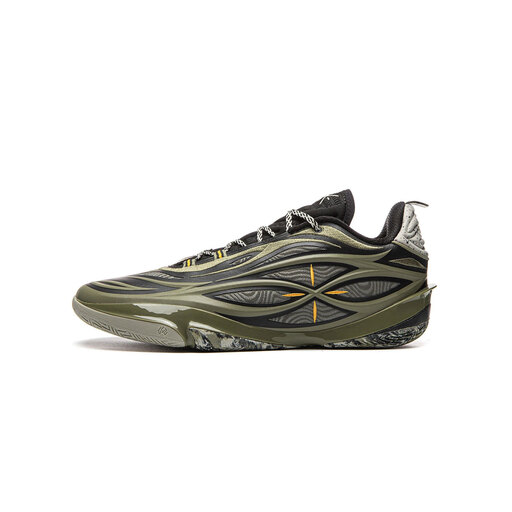
Why this product suits this profile: For players who value technical details, this version combines a carbon-fibre plate with a TPU structure, GCU in the forefoot and TUFF RB in the rearfoot.
The sole sections and materials are described separately. This makes it easier to assess whether the construction and intended use are a good match.
Woven jacquard mesh with 3D printing, a full-length carbon-fibre plate and differentiated rubber compounds.
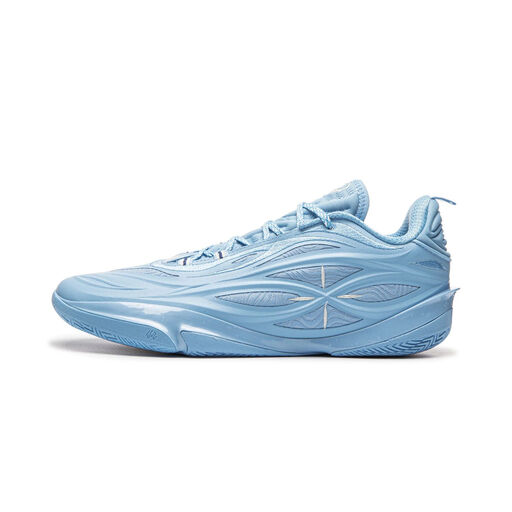
Why this product suits this profile: This version is an interesting choice for players looking for a basketball shoe for training, matches and changing indoor or outdoor courts. The specific surface should be checked before use.
The product details explicitly mention indoor and outdoor use. Even so, checking sole wear remains important, particularly on rough asphalt.
Lightweight TPU outsole system, GCU traction and adaptive support from woven jacquard mesh.
We have put together a complete, regularly updated list of products that fully meet these strict selection criteria and the safety regulations applicable in the EU.
After training, the shoe should be dried at room temperature. For the WADE-808 variants, it is recommended that dirt be removed with a damp cloth and that soaking and high heat be avoided. Washing machines, radiators and harsh cleaning products can put strain on mesh, adhesives and rubber compounds.
It is not possible to give a reliable fixed service life. Frequent outdoor use, abrasive surfaces and irregular cleaning can accelerate wear. Replacement is advisable when the tread is visibly flattened, the heel no longer provides secure support or the sole begins to separate from the upper.
Models such as the WADE 808 5 ULTRA V2 are described as professional basketball shoes or basketball shoes for competition. Whether they are approved for a particular league should be checked by the player against the relevant competition regulations and the current product labelling.
The variants mentioned are generally described as true to size, but they fit closely and may feel narrower in the forefoot. If you have wider feet or wear thick socks, half a size larger may feel more comfortable. Before ordering, compare your foot length with the size chart and check the returns options.
This depends on training volume, surface, playing weight and care. With regular outdoor use, the rubber sole generally wears down more quickly than with indoor use only. Visible material damage, reduced traction and an unstable fit are the key indicators – not simply the age of the shoe.