
Lieferung heute & morgen

Qualitätsgarantie

Willkommens-Angebote freischalten: KOSTENLOSE Lieferung | Bis zu 80 % RABATT | Kostenlose 30-Tage-JoyPlus-Testphase
App herunterladen
If you’re looking for Li-Ning basketball shoes for men, you’ll often come across models featuring a carbon plate, high energy return and specialist cushioning systems. These terms may sound technical, but on their own they don’t tell you whether a shoe suits your playing style, foot shape or playing surface. For training and competition, you should look beyond the design and brand name and pay particular attention to the outsole, fit and construction.
A carbon plate can stiffen the shoe’s construction and affect power transfer. However, it can’t make up for a poor fit or automatically improve the way you move. Some players prefer a firm, direct feel underfoot; others want more flexibility in the forefoot.
It’s therefore important to check where the plate is positioned. According to the product details, the Way of Wade 12 has a reinforced carbon plate in the heel. The Wade 808 5 Ultra V2 has a full-length carbon-fibre plate connected to its TPU construction. These systems take different approaches to shoe design.
Basketball shoes designed for indoor and outdoor use need to cope with different playing surfaces. Indoor courts are usually cleaner and more even, while outdoor courts are exposed to dust, rough tarmac and greater wear. According to the product description, a GCU outsole can be used on different court surfaces. That doesn’t mean every surface will cause the same amount of wear, though.
If you play outdoors regularly, brush dust and sand off the sole after each use. And don’t choose a shoe based on looks alone.
A snug shoe can feel secure during quick cuts. But if the forefoot is too narrow, it can cause pressure points or restrict toe movement. Li-Ning models are described as performance-focused shoes with a more secure fit. If you have wider feet or wear thick basketball socks, going up half a size may be worth considering. Always check the size guide for the specific product.
SUPER BOOM cushioning is used in several Way of Wade models. According to the product details, the Way of Wade 12 has a two-layer midsole. It also features an insole made from supercritical foam. This construction is designed to provide cushioning, rebound and impact absorption.
A term such as basketball shoes with high energy return describes the shoe’s construction; it isn’t a promise of a particular jump height or speed. Consider whether the cushioning feels soft, direct or supportive, and whether it suits your body weight and preferred style of play.
The GCU outsole on the Way of Wade 12 variants is described as a lightweight system that provides traction for quick stops and changes of direction. According to the product details, the Wade 808 5 Ultra V2 uses GCU rubber in the forefoot and TUFF-RB rubber in the heel.
When choosing a shoe, bear in mind that:
Textile, TPU elements and woven mesh materials can wrap around your foot in different ways. The Way of Wade 12 is described as having a lightweight, flexible TPEE toe guard. According to the product description, the Wade 808 5 Ultra V2 uses woven jacquard mesh with 3D-print elements for support and a secure fit.
When trying on a shoe, your toes shouldn’t press against the front. Your heel should lift as little as possible when you roll through your stride. At the same time, the forefoot shouldn’t feel so tight that your toes are held together.
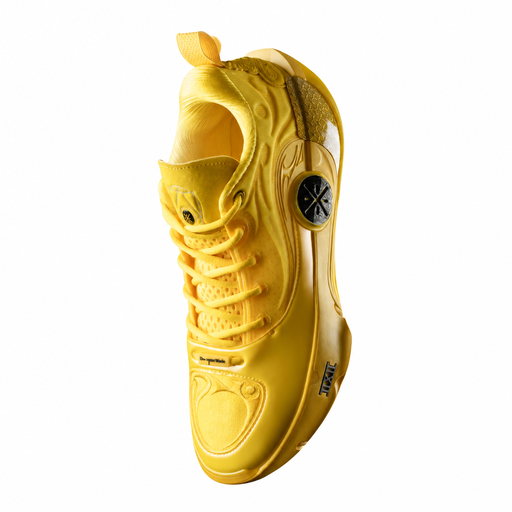
Why this product suits this profile: This model combines a two-layer SUPER BOOM midsole, a reinforced carbon plate in the heel and a GCU outsole. It’s a versatile choice if you’re looking for a shoe for both training and matches.
The product description lists specific components rather than relying on vague performance claims. The fit is described as true to size, with the option to go up half a size if you have wider feet.
Two-layer SUPER BOOM cushioning, a supercritical foam insole and a GCU outsole.
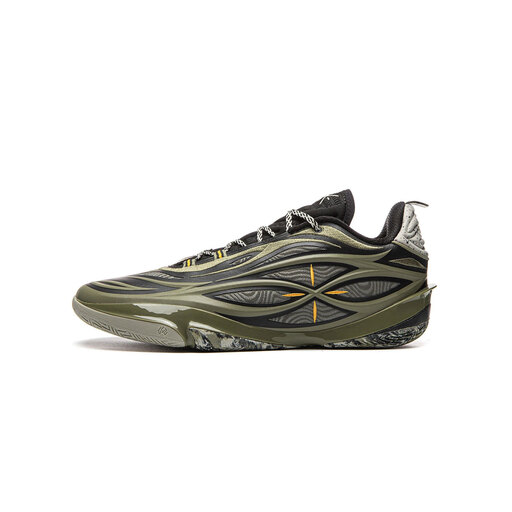
Why this product suits this profile: This shoe is aimed at players who prefer a close-to-the-court feel and a snug construction for dynamic movements.
The product details specifically identify the full-length carbon-fibre plate and separate GCU and TUFF-RB rubber sections. This makes it easier to assess the shoe’s stability and traction.
Full-length carbon-fibre plate, TPU outsole structure and woven jacquard mesh with 3D-print elements.
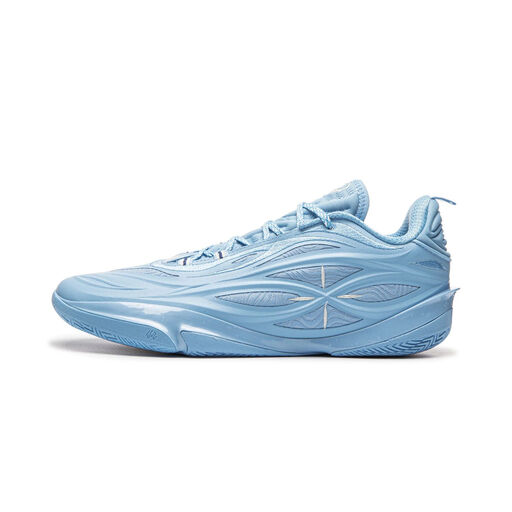
Why this product suits this profile: For frequent training sessions and changing court surfaces, this model combines GCU rubber in the forefoot, TUFF-RB rubber in the heel and a stabilising carbon construction.
The materials and outsole sections are listed separately. This makes it easier to check whether the shoe suits the balance of indoor and outdoor play you have in mind.
Multi-component outsole, adaptive mesh construction and a direct feel for quick starts and changes of direction.
We’ve put together a complete, regularly updated list of products that meet these strict selection criteria and fully comply with the safety regulations in force in the EU.
Even professional basketball shoes need regular care. Wipe away dirt with a damp cloth. Don’t put the shoes in the washing machine or leave them in direct sunlight or intense heat for long periods. After playing, let them air fully before putting them back in a bag.
How long they last depends on how often you train, your body weight, the intensity of your play and the surface you use them on. A shoe used mainly on rough tarmac may show wear on the outsole sooner than one used on indoor courts.
Some models, including variants of the Way of Wade 12 and Wade 808 5 Ultra V2, are described in the product details as suitable for indoor and outdoor use. Even so, check the tread, rubber compound and intended use before you buy. If you mainly play outdoors, regular cleaning is particularly important.
Not necessarily. Several models are described in the product details as true to size, with a relatively snug fit. If you have wider feet or wear thick socks, going up half a size may give you extra room. Check the specific size guide and try the shoes on with the basketball socks you plan to wear.
There’s no reliable way to give a fixed lifespan. Check the tread, cushioning, stitching and heel hold regularly. Reduced traction or visible cracks are practical signs that you should stop using the shoes for intense training sessions or competitions.