
Lieferung heute & morgen

Qualitätsgarantie

Willkommens-Angebote freischalten: KOSTENLOSE Lieferung | Bis zu 80 % RABATT | Kostenlose 30-Tage-JoyPlus-Testphase
App herunterladen
If you’re looking to buy Li-Ning men’s running shoes, you’ll find models designed with different priorities in mind: lightweight builds for speed sessions, cushioned running shoes for longer distances, or stable men’s running shoes with a wider platform. However, the model name alone tells you little about fit, intended use or day-to-day practicality.
Three common buying mistakes can lead to the wrong choice:
With cushioned running shoes, it’s not just the amount of foam that matters. The midsole geometry, how the shoe rolls through your stride and your own running pace are also important. A softer feel may be comfortable on long, easy runs, while a firmer or more responsive construction can feel more direct during speed sessions.
The Li-Ning models covered here use different technologies:
These details describe the construction, but they’re no substitute for trying the shoes on. A highly cushioned shoe won’t automatically suit every runner or every route.
Stable men’s running shoes shouldn’t be judged solely by whether they have a rigid support feature. A wider base, secure heel hold and controlled torsion can also contribute to a stable fit. The Yueying 6 features a heel that’s 2 mm wider and a PROBAR-LOC element. The Red Hare 9 Pro is described as having a wider platform with a TPU element.
These features may appeal to runners who prefer a secure feel in their training shoes. However, they’re not a medical correction or a guarantee of a particular running technique. If you have persistent discomfort, you should investigate the cause regardless of your choice of shoe.
Running shoes with a wide toe box give your toes more room at the sides. This can be useful if you have wider feet or your feet swell on long runs. The Yueying 6 is described as having an optimised last and a non-restrictive fit. The Red Hare 9 Pro also has a wider platform in the forefoot and heel.
The outsole is also important when running in Germany. Tarmac, park paths and wet roads place different demands on your shoes than dry indoor or competition tracks. A rubber outsole with zoned tread can make a shoe more practical for everyday use. Treat details about abrasion resistance and grip as manufacturer specifications, rather than a guarantee that the shoes will perform the same on every surface.
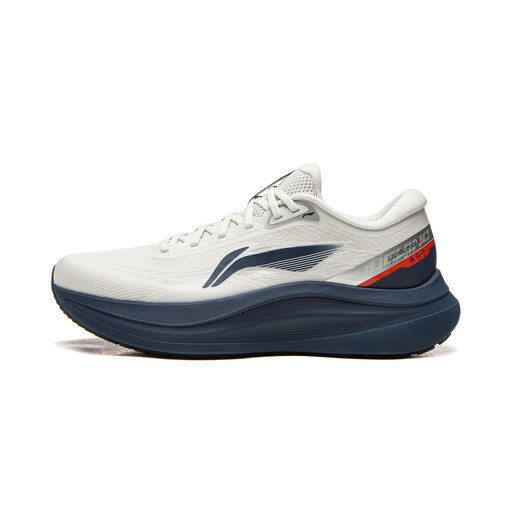
Why this product suits this profile: The Yueying 6 is worth considering for regular training runs, especially if you’re looking for a roomier toe box and balanced cushioning.
The fit is described in terms of more than just the upper: the last shape, wider heel and PROBAR LOC give you specific points to consider.
Full-length Tempo-Bounce midsole, zoned rubber outsole and a construction with a wider toe area, according to the product description.
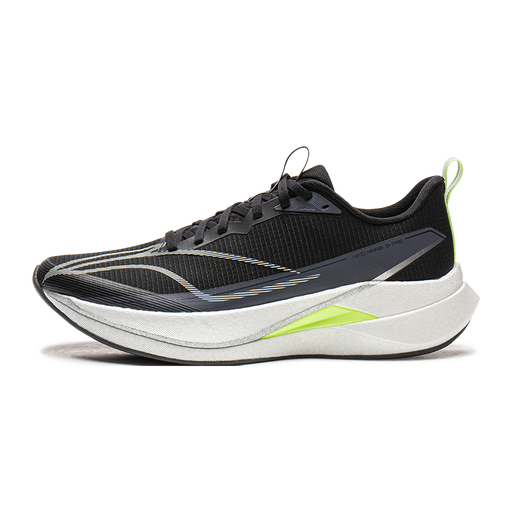
Why this product suits this profile: According to the product details, this model combines a wider platform with a lightweight construction, making it suitable for training, long runs and controlled speed sessions.
The product details cover more than energy return: they also specify the midsole construction, TPU element, fit and GCR rubber outsole.
Dual-layer BOOM midsole, rocker geometry, breathable BOOM-FIBER upper and wider last, according to the product description.
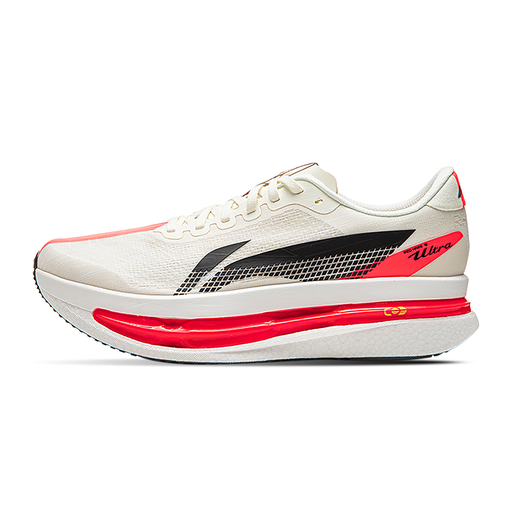
Why this product suits this profile: The multi-layer construction and fibreglass plate are designed for performance-focused use, making this model an option for ambitious runners, marathon training and intense sessions.
The product details make the intended use and closer performance fit clear. If you need more room for your toes, consider trying half a size up.
Three-layer BOOM midsole, fibreglass composite plate, BOOM-FIBER mesh and GCU outsole, with specifications for dry and wet surfaces.
Sizing varies between models. For the Red Hare 9 Pro, your usual EU size is suggested as a starting point; its wider last may make it feel roomier. For the Yueying 6, going half a size up is recommended if you have wider feet or wear thicker socks. According to the product description, the Red Hare 9 Ultra has a closer, performance-focused fit.
Before buying, you should:
To care for your shoes, wipe them with a damp cloth and leave them to air dry away from direct heat. A washing machine or harsh cleaning products can damage the upper, adhesives and foam. Actual lifespan depends on your body weight, running mileage, surfaces, rotation and care. For that reason, a single mileage figure isn’t a reliable guide.
We’ve put together a complete, regularly updated list of products that meet these strict selection criteria and fully comply with the safety regulations in force in the EU.
Models such as the Red Hare 9 Pro, Red Hare 9 Ultra and Yueying 6 are listed as options for long runs or racing. Your individual fit, previous running experience and how well the shoes work for you in training are still key. Try racing shoes on shorter sessions before wearing them for a marathon.
Their lifespan can’t be judged by time alone. Frequent use on tarmac, visible creasing in the foam, unevenly worn tread or declining comfort are useful signs to check. If you train regularly, rotating between different pairs of training shoes can reduce the wear on any one pair.
No. A lower weight may feel beneficial during speed sessions, but the shoes still need to provide enough support and have a midsole that suits you. For everyday running, men’s training shoes with a little more cushioning may be a better choice, while lightweight racing shoes can be reserved for specific sessions.