
Lieferung heute & morgen

Qualitätsgarantie

Willkommens-Angebote freischalten: KOSTENLOSE Lieferung | Bis zu 80 % RABATT | Kostenlose 30-Tage-JoyPlus-Testphase
App herunterladen
If you are looking for Li-Ning men’s sports shoes size 43, you probably do not want to buy just any trainers. The intended use, fit, cushioning and traction are all important. A running shoe for marathon training has different requirements from a basketball shoe designed for quick changes of direction indoors. Even an EU size 43 does not fit exactly the same way in every model.
Terms such as SUPER BOOM cushioning, BOOM FIBER or carbon plate sound performance-focused, but on their own they say little about how suitable a shoe is for everyday use. What matters is how these components are used:
It is not the product name but the combination of midsole, upper, outsole and last shape that determines suitability.
The EU size is a useful starting point, but it does not replace checking your measurements. A narrow racing shoe in size 43 can feel considerably tighter than a model with a wide toe box. When trying shoes on, there should be approximately 8 to 12 millimetres of space at the front. For long runs or thicker technical socks, going up half a size may be sensible if available.
With Li-Ning men’s running shoes in size 43 especially, it is worth checking the fit information. Some models have a close, race-oriented fit, while others offer more room in the forefoot thanks to a wider platform.
A road-running shoe is designed for tarmac and paved paths. For wet woodland tracks or loose stones, however, men’s trail-running shoes with a lugged rubber outsole are required. Basketball shoes for indoor and outdoor use should likewise have an outsole that supports quick stops and lateral movements. A soft, smooth running tread may be less suitable on a dusty indoor court.
Balanced cushioning is important for long training runs and marathon running shoes. It should suit your body weight, running pace and the surface you run on. Lightweight running shoes with cushioning can reduce weight, but they do not necessarily provide the guidance you want if you have a very stability-focused running style.
If you are looking for stability running shoes, look for a sufficiently broad base, secure heel support and, where appropriate, a stabilising element in the midfoot. Statements such as “reduces overpronation” should not be understood as medical guarantees. They simply describe the intended construction.
Running shoes with a carbon plate or glass-fibre plate are often stiffer than classic training shoes. This can be appealing for speed sessions and races, but does not automatically make them suitable for easy runs or long walks. Check whether the plate runs the full length of the shoe or is used only in the heel area.
In basketball shoes, a plate can also increase torsional stiffness. For actual play, however, fit, freedom of movement around the ankle and traction are equally important.
Woven or multi-layered mesh can help with air circulation. TPU or synthetic reinforcements improve shape retention, but can make the shoe slightly less flexible. In the outsole, GCU, GCR and TUFF-RB components should each be regarded as specific material or construction details. The key question is whether the tread suits the surface and whether the care instructions are followed.
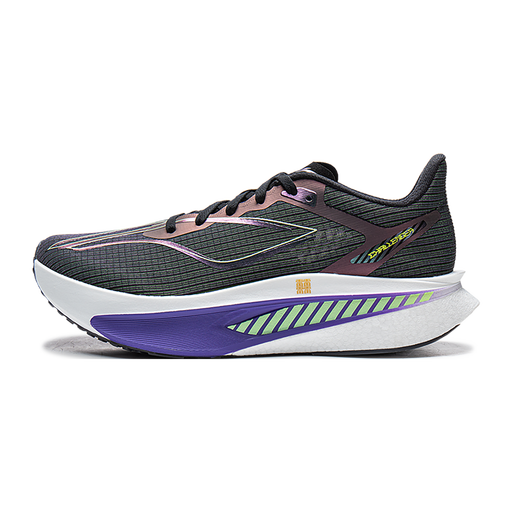
Why this product suits this profile: This model combines a textile upper with TPU or synthetic reinforcements and a GCR rubber outsole. It is therefore suitable for runners looking for a versatile shoe for training and road running.
The product description specifies the fit, upper and outsole instead of using only general performance terms.
Textile mesh, a men’s-specific last and GCR rubber outsole; according to the product information, designed for training and road running.
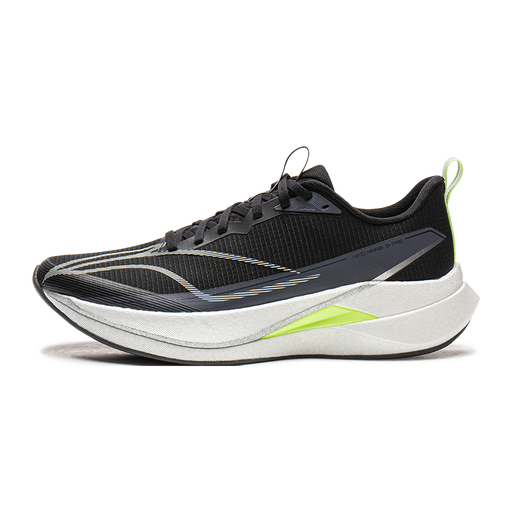
Why this product suits this profile: The Red Hare 9 Pro is aimed at runners who prefer a wider platform, BOOM-FIBER upper and dual-layer BOOM midsole for training and longer distances.
The wider platform and TPU element in the midfoot are identified as construction features. This makes it easier to choose than when relying solely on promotional stability claims.
Dual-layer BOOM midsole, BOOM FIBER fabric and GCR outsole with a profiled running area.
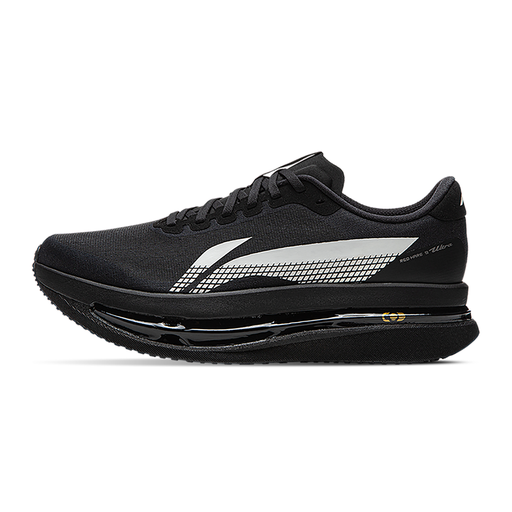
Why this product suits this profile: This model is designed for fast sessions and long distances. Its three-layer combination of Super BOOM and BOOM, together with a glass-fibre plate, appeals to runners focused on racing or speed training.
The product data lists the plate, midsole construction, upper and GCU outsole separately. This allows buyers to check whether the construction suits their own running style.
Three-layer cushioning construction, BOOM FIBER mesh and GCU outsole with specifications for dry and wet surfaces.
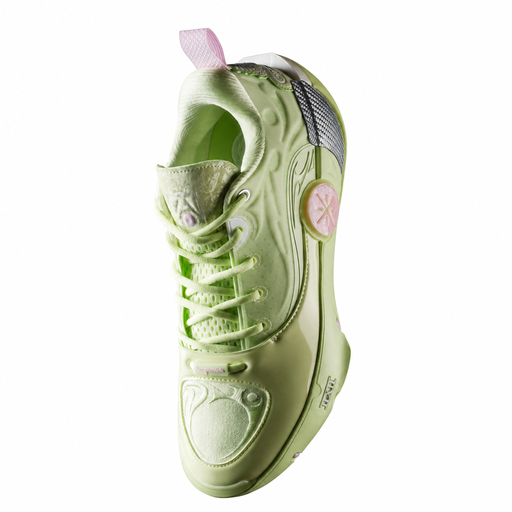
Why this product suits this profile: This basketball shoe combines a dual-layer SUPER-BOOM midsole, reinforced heel plate and lightweight GCU outsole for quick starts, stops and changes of direction.
The GCU outsole and intended use for indoor and outdoor play are described specifically. This makes it easier to compare the model with your own playing surface.
SUPER BOOM, Supercritical Foam interior construction, TPEE toe cap and carbon-fibre plate in the heel area.
We have put together a complete, regularly updated list of products that fully meet these strict selection criteria and the safety regulations applicable in the EU.
Service life depends on training volume, surface, body weight and care. After running, shoes should be aired out and not dried on a radiator or exposed to direct heat. On the models mentioned, dirt can be removed with a damp cloth. Machine washing can put strain on adhesives, foams and upper materials.
With running shoes, regularly check whether the outsole is visibly worn or the midsole appears permanently compressed. Basketball shoes require particular attention around the forefoot and heel tread zones, as quick changes of direction place greater demands on these areas.
The product information for the models featured lists EU 43 as a standard men’s size. However, the actual fit depends on the last and the width of your feet. Measure both feet in the evening and compare the length of the longer foot with the relevant size chart.
According to the product descriptions, models such as the FEIDIAN 6 CHALLENGER and RED HARE 9 PRO are intended for road running, training and longer distances. Whether they are suitable for a marathon depends on fit, running technique, pace and how accustomed you are to the shoes. A plated racing model should first be worn during several training sessions before being used in a race.
It is not possible to give a reliable fixed mileage or number of months for every model. Check the tread, midsole, heel support and stitched areas regularly. With frequent training, replacing your shoes may become sensible as soon as cushioning or grip noticeably declines. Actual wear is what matters, not simply the purchase date.