
Lieferung heute & morgen

Qualitätsgarantie

Willkommens-Angebote freischalten: KOSTENLOSE Lieferung | Bis zu 80 % RABATT | Kostenlose 30-Tage-JoyPlus-Testphase
App herunterladen
If you’re looking to buy the Li-Ning Wade 808 5 Ultra V2 men’s basketball shoes, you might first consider the colour, brand and price. But for training and competition, other factors matter more: fit, sole materials, cushioning and whether you plan to play indoors or outdoors. A striking product description is no substitute for checking the technical details.
Terms such as Super-Boom cushioning, “High Rebound” and “Professional Basketball Shoes” describe how a product is positioned. On their own, they don’t tell you whether the shoes suit your playing style. Check which materials are actually listed and whether the cushioning runs the full length of the shoe or is only in the heel.
A visible rubber pattern doesn’t automatically mean a shoe will perform equally well on every surface. The Way of Wade 808 5 Ultra V2 is listed with a GCU rubber outsole in the forefoot and, depending on the version, TUFF-RB rubber in the heel. This design is made for multidirectional movement. However, dusty indoor courts, tarmac and rough outdoor courts all place different demands on the sole.
Basketball shoes should feel secure around the midfoot without squeezing your toes. The Wade 808 is described as having a snug fit and may feel narrower in the forefoot. If you have wide feet or wear thick basketball socks, check the size chart against your foot length. Going up half a size may help, but it’s no substitute for trying the shoes on.
The product details list a SUPER-BOOM midsole, while some colourways feature a dual-layer cushioning setup. This design may appeal to players who prefer a responsive feel during sprints, jumps and stop-start movements.
The right choice depends on your personal preference:
The product description lists a full-length carbon-fibre plate combined with a TPU outsole structure. Basketball shoes with a carbon-fibre plate can make the sole stiffer and support power transfer when you accelerate. A stiffer design can also change how the shoe rolls through each step.
So, check for:
A plate alone doesn’t automatically make a shoe suitable for every type of player.
The described combination of a GCU rubber outsole in the forefoot and TUFF RB in the heel is designed to provide grip for stops, pivots and quick changes of direction. This setup may suit players looking for lightweight basketball shoes for dynamic movement.
Even so, when choosing basketball shoes for indoor and outdoor use, remember to wipe dust off the sole regularly when playing indoors. Tarmac is likely to cause more wear. If you mainly play outdoors, check the details for the version you’re considering, its intended surface and the returns policy before you buy.
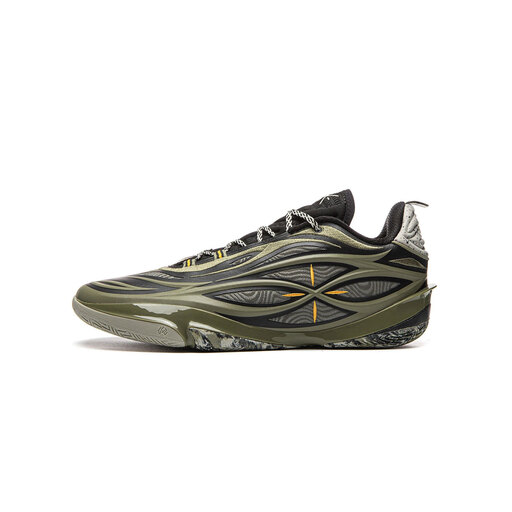
Why this product suits this profile: This EU 42 1/3 version is for buyers looking for a snug-fitting basketball shoe with a direct feel underfoot for training and indoor games.
The product details specify a carbon-fibre plate, GCU in the forefoot and TUFF RB in the heel, rather than relying on general performance claims. Check the narrow fit against your foot length before buying.
Lightweight TPU structure, woven Jacquard mesh and an outsole designed for multidirectional traction.
Why this product suits this profile: EU 43 gives you another size option in the same range if you’re an ambitious player looking to compare a snug, supportive fit and clearly specified materials.
The fit is described as snug and supportive. Before buying, you can check whether the level of support and forefoot width suit your foot.
Woven Jacquard mesh with 3D-print details, a full-length TPU and carbon structure, and separate rubber sections.
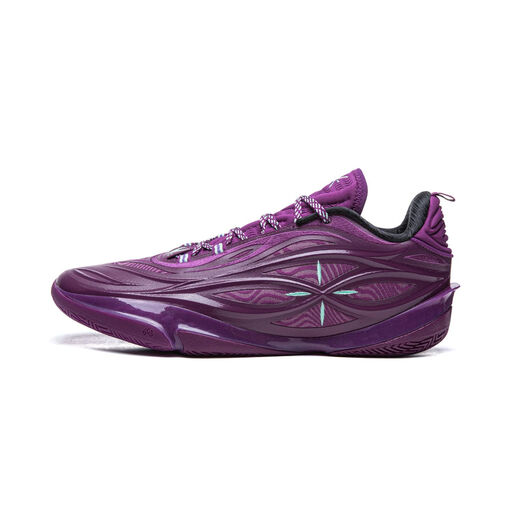
Why this product suits this profile: This colourway is a good choice for players looking for a standout option for regular training and competitive play.
The details specify a GCU outsole, a carbon plate and a supercritical foam insole. This helps frequent players assess the design by looking at its specific components.
GCU rubber outsole, a carbon plate in the heel according to the version details, and TPEE toe protection for a lightweight, supportive design.
We’ve put together a complete, regularly updated list of products that meet these strict selection criteria and the applicable EU safety regulations.
Lifespan depends more on where you play, how much you train and how well you look after your shoes than on the model name. To help them last longer:
If you wear them regularly, check the sole, heel counter and midsole. Visible wear, reduced support or a permanently misshapen midsole are signs that it may be time for a new pair.
The product details describe a fit that is generally true to size, but on the snug side. The shoe may feel narrower in the forefoot. If you have wider feet or wear thick socks, consider trying half a size up and compare your measurements with the relevant size chart.
The product versions are listed as indoor and outdoor basketball shoes. The GCU and TUFF-RB sections are designed to provide traction during quick movements. However, rough tarmac will generally wear down the sole faster than an indoor court.
There’s no reliable way to give a fixed lifespan. It depends on factors such as how often you train, your body weight, playing style, the surface and how well you care for the shoes. A carbon-fibre plate is a feature of the shoe’s construction, but it isn’t a reliable indicator of the shoe’s overall lifespan.