
Lieferung heute & morgen

Qualitätsgarantie

Willkommens-Angebote freischalten: KOSTENLOSE Lieferung | Bis zu 80 % RABATT | Kostenlose 30-Tage-JoyPlus-Testphase
App herunterladen
Anyone looking to buy Li-Ning Wade 808 5 Ultra V2 basketball shoes is usually seeking a combination of low weight, direct power transfer and secure support during quick changes of direction. However, when choosing men's basketball shoes, looking only at the brand name, colour or marketing claims is not enough. Fit, sole construction, court type and the actual availability of the desired EU size are what really matter.
A grippy rubber compound can behave differently on a dusty indoor court than it does on asphalt. The Li-Ning Wade 808 5 Ultra V2 is offered with a GCU outsole and, depending on the description, also with TUFF-RB rubber in the heel area. These are specific construction details, but they are not a blanket guarantee for every surface.
For indoor courts, the sole should be kept clean and free from dust. When playing outdoors, you should also consider how heavily the surface will wear down the outsole. Regular play on rough asphalt can accelerate wear.
Basketball shoes with a carbon plate are often promoted as offering explosive acceleration. However, a plate mainly changes the shoe's stiffness and roll-through behaviour. It cannot replace the right size or compensate for an unstable fit.
For the ABAV045 model, several product variants mention a full-length carbon-fibre plate combined with an external TPU structure. This construction may appeal to players who prefer a direct, responsive feel underfoot. If you are looking for a very soft and flexible shoe, however, you should consider the construction carefully.
A snug heel fit can be helpful during cuts and stops. However, too little room in the forefoot can quickly cause pressure points and reduce comfort. The product details describe the Wade 808 5 Ultra V2 as supportive and relatively close-fitting. For wider feet or thick basketball socks, choosing a larger size may be sensible.
Before buying, measure both feet in the late afternoon and compare the results with the size chart for the relevant listing. EU sizes such as 42 1/3, 43 2/3, 44 1/3 and 45 are available in the variants shown. The exact selection depends on the individual product listing.
The product names refer to SUPER BOOM cushioning. Depending on the colour variant, the descriptions mention either an integrated TPU and carbon construction or a multi-layer SUPER BOOM structure with a carbon plate. As the details vary between variants, you should check the description for your chosen colour and size before ordering.
Responsive cushioning is particularly well suited to players who sprint, stop and change direction frequently. For longer training sessions, it is also important that the fit remains comfortable after several hours.
The GCU outsole is described as lightweight and grippy. The dark green variants also mention TUFF RB in the rear section of the sole. This division of materials is relevant to players who prefer a more differentiated sole construction for drives, pivots and sudden stops.
When choosing basketball shoes for indoor and outdoor use, assess how you will realistically use them. A shoe may be designed for both types of court, but indoor flooring, synthetic surfaces and asphalt are very different. After outdoor use, remove grit and dust from the sole.
According to the product details, the upper of the dark green variants is made from woven Jacquard mesh with moulded 3D print elements. This material is intended to combine a lightweight, breathable upper with structured support. For quick movements, it is especially important that the lacing secures the midfoot evenly and that the forefoot does not slide sideways inside the shoe.
Care is straightforward: remove dirt with a damp cloth, do not soak the shoe completely and avoid high heat. This protects the materials and adhesives better than harsh cleaning products.
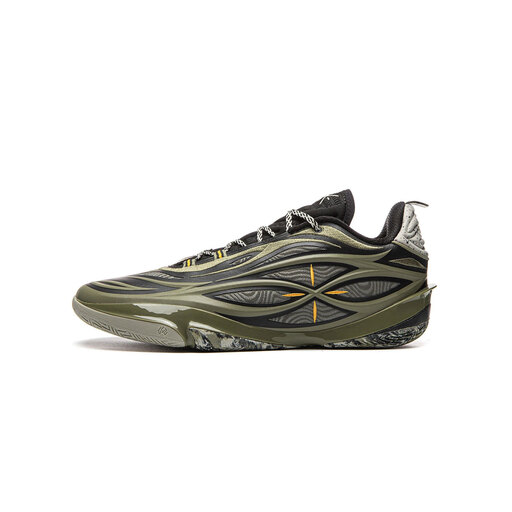
Why this product suits the profile: The EU43 variant is aimed at players looking for a lightweight, close-fitting basketball shoe for training and occasional games, while preferring a specific standard size.
The product description specifically lists a carbon-fibre plate, TPU structure, GCU in the forefoot and TUFF RB in the rearfoot, rather than simply making general claims about “professional” performance.
Woven Jacquard mesh, adaptive wrap and the specified GCU/TUFF-RB sole sections.
Why this product suits the profile: The larger EU44 1/3 version is an option for players who know their foot length precisely and value carbon-plate construction, a structured upper and direct support.
The construction is described through its materials and design. This allows you to check before buying whether a stiffer, more responsive ride suits your style of play.
Full-length carbon-fibre plate, external TPU structure and supportive mesh upper according to the product description.
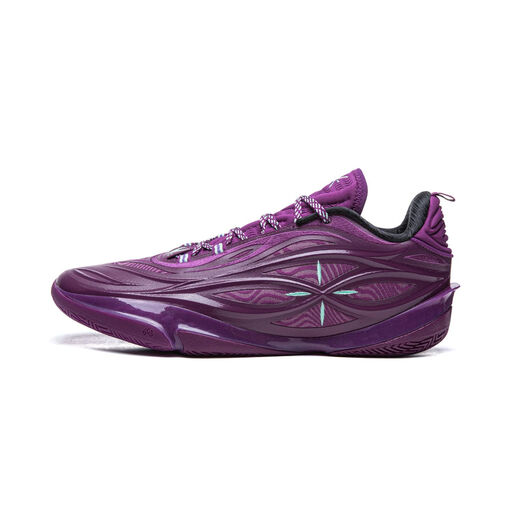
Why this product suits the profile: This variant is suitable for players who wear EU45 and are looking for a GCU outsole, SUPER BOOM construction and a striking colour for training or competition.
Before buying, check the product page for the specific colour variant, size and construction details, as individual listings may provide different information about the carbon plate and cushioning.
GCU sole system, SUPER BOOM cushioning specification and available EU45 option according to the product listing.
We have put together a complete, regularly updated list of products that fully meet these strict selection criteria and the safety regulations applicable in the EU.
The product details describe a close-fitting, supportive design with a potentially narrower forefoot. If you have wider feet or wear thick socks, you could consider trying half a size larger. Your measured foot length and the specific EU size offered remain the deciding factors.
The listings present the model as basketball shoes for indoor and outdoor use. However, asphalt is rougher than an indoor court and can wear down the GCU or TUFF-RB outsole more quickly. If you play outdoors regularly, factor the expected wear into your buying decision.
It is not possible to give a reliable fixed lifespan. This depends on how often you play, your body weight, movement intensity, the surface and how well the shoes are cared for. After each use, clean the sole and upper, then allow the shoes to dry completely at room temperature. Clearly worn-down tread, damaged stitching or a deformed midsole are signs that the shoes should be replaced.