
Lieferung heute & morgen

Qualitätsgarantie

Willkommens-Angebote freischalten: KOSTENLOSE Lieferung | Bis zu 80 % RABATT | Kostenlose 30-Tage-JoyPlus-Testphase
App herunterladen
If you’re looking to buy Li-Ning Way of Wade basketball shoes, you’re probably after more than just a striking design. For quick changes of direction, jumps and intense training sessions, what really matters is a proper fit, controlled traction and cushioning that suits your playing style. At the same time, marketing terms like “High Rebound” or “Carbon Plate” can create expectations that don’t automatically match every foot or every surface.
A carbon fibre plate can stiffen the construction in the heel or the entire sole area and influence power transfer. However, that doesn’t automatically mean the shoe will feel comfortable for every player. If you prefer a very soft, flexible shoe, a stiffer plate may feel unfamiliar at first.
With the Way of Wade models, it’s therefore crucial where the plate is positioned: the Way of Wade 12 is said to feature a reinforced carbon plate in the heel area, while the Way of Wade 808 5 Ultra V2, according to the product description, uses a full-length carbon fibre plate.
A rubber compound can react differently on clean indoor hardwood than on dusty concrete or asphalt. Even an outsole described as grippy doesn’t replace regular cleaning. For outdoor use, buyers should therefore also pay attention to abrasion resistance, the tread pattern and how often they actually play.
Basketball shoes need to hold the foot securely without pressing on the toes. The Way of Wade models are described in the product details as true to size or close-fitting. For wider feet or thick basketball socks, going up half a size is sometimes recommended. The centimetre measurement on each product page is therefore more important than simply relying on a previously worn EU size.
According to the product descriptions, the models feature SUPER BOOM cushioning or a dual-layer SUPER BOOM midsole. A supercritical foam insole is also mentioned. This construction is designed to combine cushioning, energy return and impact absorption. However, it doesn’t replace your own assessment of how the shoe feels to walk in.
For players who jump frequently and stop abruptly, cushioning isn’t the only thing that matters. How the midsole, heel area and upper work together also affects how controlled the shoe feels during lateral movements.
Basketball shoes with a carbon plate can support direct power transfer when the plate, outsole and fit are all well matched. The Way of Wade 12 is said to have a carbon plate in the heel area. The Way of Wade 808 5 Ultra V2, according to the product data, uses a full-length carbon fibre plate combined with a TPU construction.
Buyers should consider their own playing style: a dynamic guard may prefer a direct, low-to-the-ground construction. If you want more freedom of movement in the forefoot, you should check the stiffness and toe box space particularly carefully.
The Way of Wade models are said to use GCU components for the outsole. The 808 5 Ultra V2 also features GCU rubber in the forefoot and TUFF-RB rubber in the heel. This combination is designed for multidirectional movements, stops and pivots.
With basketball shoes offering high traction, sole care shouldn’t be overlooked. Dirt and dust can reduce contact with the floor. The shoes should be cleaned with a damp cloth and left to air dry. Machine washing, harsh cleaning agents and strong heat should be avoided, according to the product details.
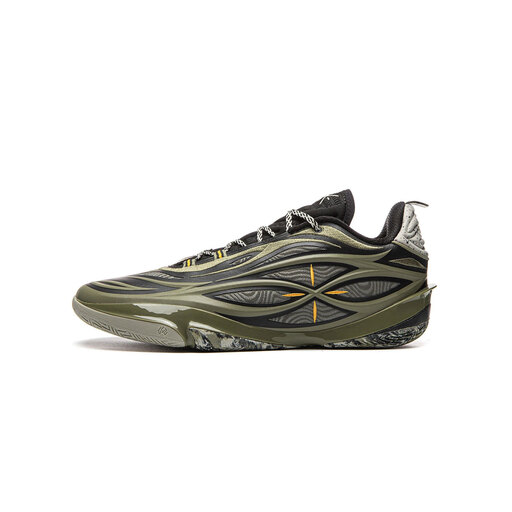
Why this product suits the profile: This variant is aimed at players looking for a lightweight, close-fitting competition basketball sneaker for training and games, and who want to compare size, price and intended use before buying.
The product description mentions a full-length carbon fibre plate, GCU and TUFF-RB rubber, and a close fit. This means the relevant features can be checked specifically before purchase.
Lightweight TPU sole concept, textile jacquard mesh construction and separate rubber zones for forefoot and heel.
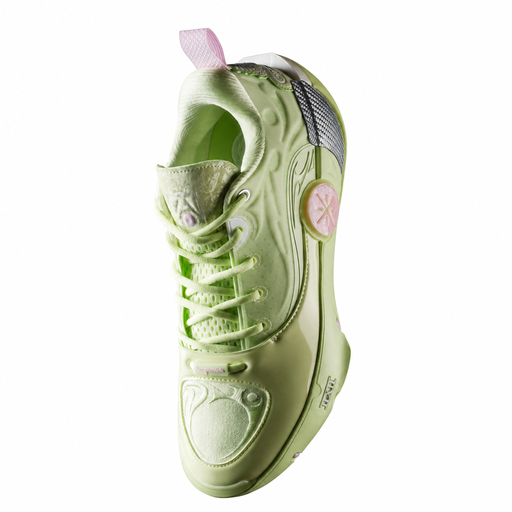
Why this product suits the profile: This model is of interest to players who want to combine dual-layer cushioning, a reinforced carbon plate in the heel area and a distinctive Way of Wade look for indoor courts and competition.
The construction isn’t just described with marketing words: carbon plate, SUPER BOOM, supercritical insole and GCU outsole are listed as specific components.
Dual-layer SUPER BOOM midsole, reinforced heel area and flexible TPEE toe guard according to the product description.
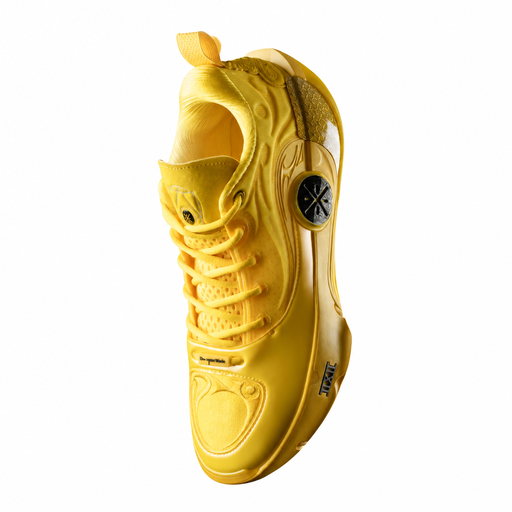
Why this product suits the profile: The larger EU size is suitable for players who need their usual size and want to choose a shoe for regular indoor sessions, games and occasional outdoor use.
The size is clearly stated. Additionally, heavy users should check before buying whether the close-fitting last works with their foot width and the socks they use.
SUPER BOOM, GCU outsole, supercritical foam and TPEE toe guard are listed as technical features.
We’ve put together a full, regularly updated list of products that meet these strict selection criteria and the safety regulations in force in the EU.
For a secure fit, your foot shouldn’t slide forward inside the shoe. The heel should stay as stable as possible when walking and during lateral movements. At the same time, your toes shouldn’t hit the front of the shoe. For wider feet, going up half a size can make sense, as long as it doesn’t cause excessive slipping.
For indoor courts, a clean outsole is recommended, as dust can affect traction. When playing outdoors, concrete and asphalt can put more strain on the sole. Using separate shoes for indoor and outdoor play can therefore extend the life of each outsole.
According to the product description, they are designed for use both indoors and outdoors. However, with regular play on asphalt, buyers should expect higher sole wear and should check the rubber compound and tread pattern regularly.
The models listed have a close-fitting, supportive fit. The forefoot may feel tighter for wider feet. In this case, the product information sometimes recommends going up half a size. The key factors remain foot length, foot width and the thickness of socks you prefer.
It’s not possible to give a reliable fixed lifespan. It depends on training frequency, body weight, playing style, surface and care. Reduced traction, visible cracks or a permanently deformed midsole are practical signs that the shoe should no longer be used for intense changes of direction.