
Lieferung heute & morgen

Qualitätsgarantie

Willkommens-Angebote freischalten: KOSTENLOSE Lieferung | Bis zu 80 % RABATT | Kostenlose 30-Tage-JoyPlus-Testphase
App herunterladen
If you're looking to buy Li-Ning Way of Wade basketball shoes, you'll often come across technically worded details about cushioning, carbon fibre plates and traction. However, the real question is: does the construction, sizing and outsole actually suit your court and playing style? For club players, ambitious guards and fans of the Way of Wade series, it's worth taking a closer look at the objectively described product features.
Labels like SUPER BOOM cushioning, "energy return" or "carbon fibre plate" only describe the technology used. They don't automatically tell you whether a shoe is right for every player. A stiff plate, for example, can support a direct rolling motion, while players who prefer a very flexible shoe may favour a different construction.
A basketball shoe for both indoor and outdoor courts has to cope with different surfaces. Indoor floors usually offer a more consistent texture, whereas asphalt puts greater strain on the outsole. Details about the GCU outsole, the rubber compound and the intended use are therefore more important than the colour or design.
Basketball shoes generally fit more snugly than casual trainers. Too much movement in the heel area can compromise stability during lateral movements, while a forefoot that's too tight can cause pressure points. The Way of Wade models listed here are described as true to size. If you have wide feet or wear thick basketball socks, you should also check the available half-size option.
The Way of Wade 12 and Li-Ning Wade 808 5 Ultra V2 models are described as having a dual-layer SUPER BOOM midsole. This is complemented by an insole made from supercritical foam. This construction is said to offer a combination of cushioning, energy return and impact absorption. What matters is whether the shoe feels sufficiently responsive or rather soft for your own movement patterns.
For frequent jumping and quick take-offs, cushioning shouldn't be considered in isolation. Heel lockdown, platform width and the shoe's weight also influence the feel on foot.
Some Way of Wade models feature a carbon fibre plate in the heel area, while other versions are described as having a full-length carbon fibre plate. A heel plate can stabilise the rearfoot construction and support the transition during push-off. With a full-length plate, you should also pay attention to the flex behaviour.
The plate doesn't replace proper lacing or the correct size. Before buying, players should check whether the last suits their foot shape and whether the shoe wraps the midfoot adequately.
For basketball shoes with high traction, the tread pattern, rubber compound and surface are crucial. The models mentioned use a lightweight GCU outsole system. The Wade 808 5 Ultra V2 in the Dark Army Green colourway is also described as having a combination of GCU rubber in the forefoot and TUFF-RB rubber in the rearfoot.
For indoor use, the sole should be kept clean and dry. On outdoor courts, wear may be greater. If you regularly play on asphalt, you should check the sole condition and avoid mixing indoor and outdoor use without careful thought.
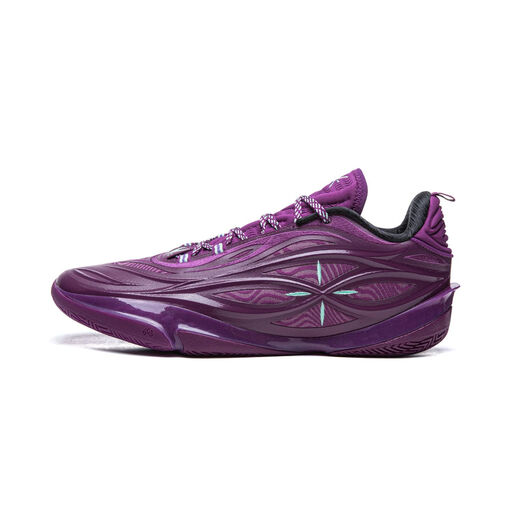
Why this product fits the profile: The EU 42 1/3 version is aimed at players looking for a performance-oriented basketball shoe with SUPER BOOM cushioning and a GCU outsole.
The product details mention fit, material construction, cushioning and suitability for indoor and outdoor courts, rather than just design features.
Dual-layer SUPER BOOM midsole, supercritical foam insole and lightweight GCU outsole system.
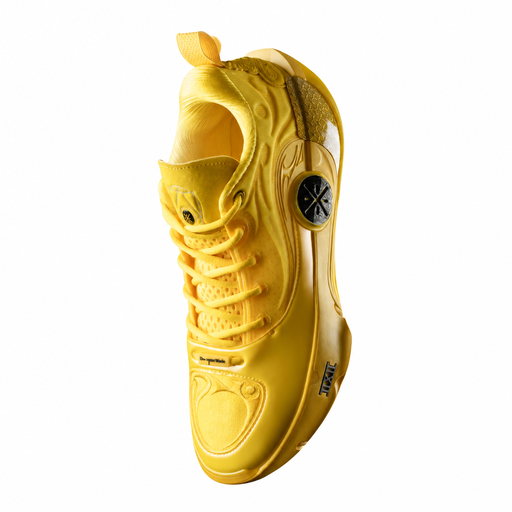
Why this product fits the profile: For competitive and club players who want to combine a carbon fibre plate, a responsive midsole and a secure fit for cuts.
The description specifically highlights the reinforced carbon fibre plate in the heel area, the GCU outsole and the fit.
SUPER BOOM cushioning, carbon fibre plate system, TPEE toe cap and supercritical foam in the insole.
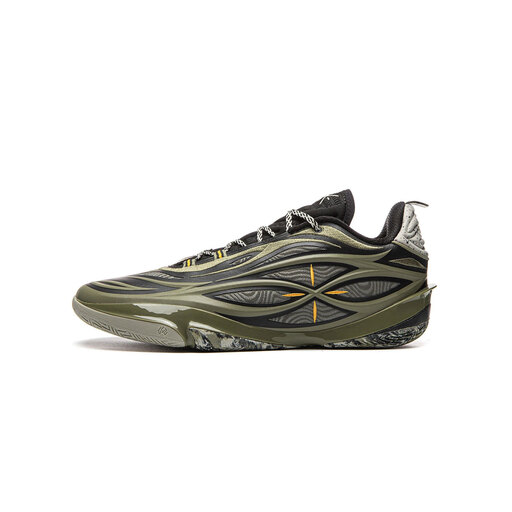
Why this product fits the profile: Suitable for heavy users who value a full-length carbon fibre plate, a snug-fitting upper and differentiated rubber zones.
The product description distinguishes between GCU rubber in the forefoot and TUFF-RB rubber in the rearfoot, and mentions the narrower fit in the forefoot.
Full-length carbon fibre plate, woven jacquard mesh with 3D printing and separate rubber compounds for the forefoot and rearfoot.
We've put together a complete, regularly updated list of products that fully meet these strict selection criteria and the safety regulations in force in the EU.
The available variants cover, among others, EU 42 1/3 to 45. For a snug, performance-oriented fit, the product details recommend your usual basketball shoe size. If you have wider feet or wear thick performance socks, going up half a size may be sensible. Before buying, measure both feet in the afternoon and compare them with the size chart for the specific product.
For care, a damp cloth is sufficient. The shoes should be air-dried and not placed on a radiator. Direct, prolonged sunlight, harsh cleaning agents, machine washing and excessive soaking can damage the upper materials and adhesive bonds.
The product variants mentioned are offered as basketball shoes for both indoor and outdoor use. However, asphalt can wear down the outsole more than an indoor court floor. For regular play on outdoor courts, you should check the tread and rubber more frequently.
The product details describe the models as true to size. For a normal foot width, your usual basketball shoe size is a sensible starting point. If you have wider feet or wear thick socks, going up half a size can create more room in the forefoot.
It's not possible to give a reliable lifespan. Frequency of play, body weight, movement intensity, surface and care all affect wear. A worn-down tread, unstable heel lockdown or visible cracks in the upper are practical signs that it's time to replace the shoe.