
Lieferung heute & morgen

Qualitätsgarantie

Willkommens-Angebote freischalten: KOSTENLOSE Lieferung | Bis zu 80 % RABATT | Kostenlose 30-Tage-JoyPlus-Testphase
App herunterladen
A lifting cream for the face and neck is designed to moisturise mature skin, help its surface appear smoother and simplify daily care for the face, neck and décolletage. In cosmetics, however, the term “lifting” does not describe a medical treatment or surgical effect. It usually refers to a more cared-for feel, greater suppleness and a temporarily smoother-looking complexion.
If you are looking to buy an anti-ageing cream, firming face cream or neck and décolletage cream, you should not focus solely on terms such as “instant lifting” or “wrinkle reduction”. The formulation, how the product is used and your personal skin tolerance are what really matter.
Rich creams can help the skin’s surface look smoother by supplying dry skin with lipids and moisture. Film-forming ingredients can also create a temporarily tightened sensation. This should not be confused with a lasting change to the skin’s structure.
An expensive cream is not automatically suitable for dry, sensitive or mature skin. Checking for glycerin, shea butter, squalane, plant oils, hyaluronic acid or Sodium Hyaluronate is often more useful than considering the packaging or brand name. Texture matters too: a very rich formula may feel comfortable on dry skin but heavy on combination skin.
Many products are intended for the face only. For combined use, look for clearly stated suitability for the face and neck, or for the décolletage as well. The same cream can be used on the neck, provided the manufacturer’s instructions and your skin’s tolerance support this.
Three groups of active ingredients are particularly relevant for dry or mature skin:
A moisturising anti-wrinkle cream can make fine lines caused by dryness appear less noticeable. This does not mean that it completely removes wrinkles.
An integrated sun protection factor can complement your morning routine. According to the product information, Estée Lauder Resilience Multi-Effect Tri-Peptide Face and Neck Cream contains SPF 15. For longer periods outdoors, a separate sun protection product with a higher, appropriate protection level may be needed, depending on the situation. A day cream with SPF does not automatically replace every form of sun protection.
Fragrances can be problematic for sensitive skin. The product information for several creams, for example, lists Parfum, Limonene, Linalool or Citronellol. Before using a product regularly, it is advisable to carry out a tolerance test on a small area of skin. Products should not be applied to irritated or damaged skin. In the event of eye contact or persistent irritation, follow the relevant warning on the packaging.
As a general rule: cleanse the skin, apply a small amount and spread gently. On the neck and décolletage, upward movements can be used without applying firm pressure. Applying more product does not automatically lead to better results.
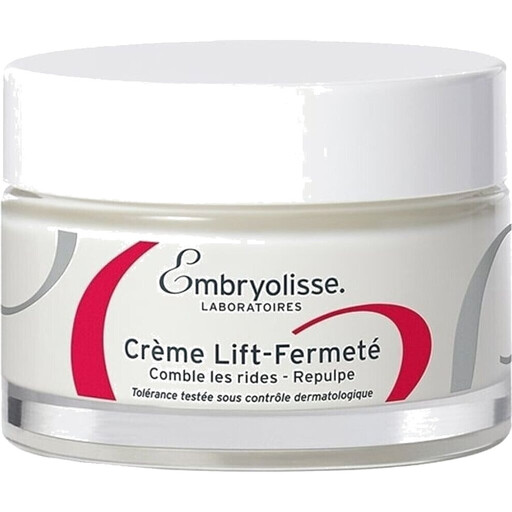
Why this product suits the profile: The cream is intended for daily use on the face, neck and décolletage and, according to the product information, contains glycerin, shea butter, evening primrose oil and Sodium Hyaluronate.
Its suitability for several skincare areas is clearly stated. Nevertheless, check the current INCI list on the packaging, as formulations can change.
Moisturising ingredients, a rich cream texture and use in the morning and/or evening.
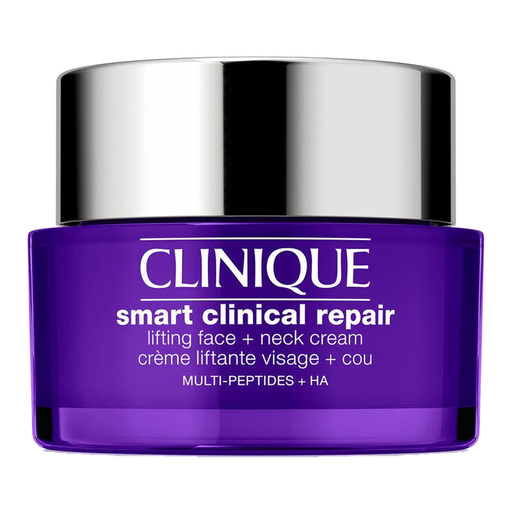
Why this product suits the profile: According to the product description, the cream is intended for the face and neck and for use in the morning and evening. The formula contains several peptides, shea butter, jojoba oil and Sodium Hyaluronate.
The selection of active ingredients can be clearly verified in the stated ingredients list. Claims about effects should nevertheless be understood as cosmetic product promises, not guarantees.
Several stated peptides, nourishing oils and use on the face and neck.
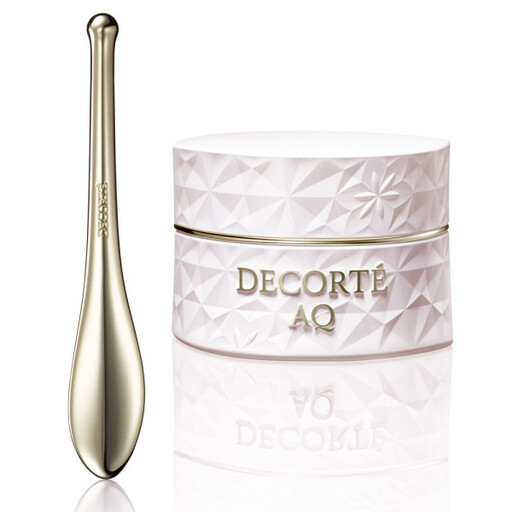
Why this product suits the profile: According to the product information, this neck cream is specially designed for the neck and décolletage and comes with a massage spatula.
The intended area of use is clear not only from the product name but also from the description. However, the spatula is not a substitute for medical or invasive treatment.
100 ml content, targeted care for the neck and décolletage, plus an application tool included.
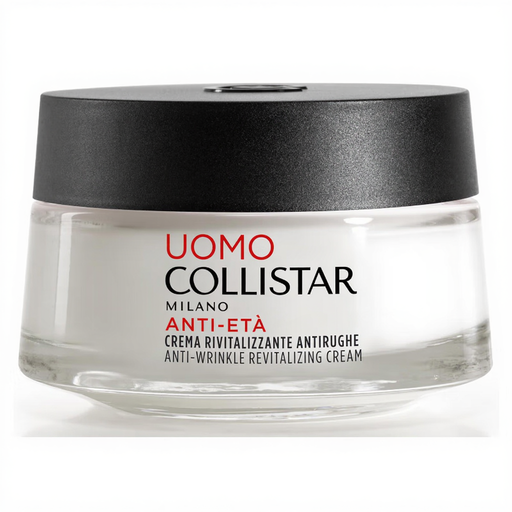
Why this product suits the profile: The product description highlights a lightweight, non-greasy texture and use in the morning and evening on the face and neck.
The texture is described specifically, making it suitable for shoppers who prefer to avoid heavy creams. If your skin is sensitive, check the fragrance and ingredients list.
Hyaluronic acid, peptides and vitamin E according to the product description, along with use intended for daily skincare.
We have put together a complete, regularly updated list of products that fully meet these strict selection criteria and the safety regulations applicable in the EU.
Shelf life depends on the best-before date and the open-jar symbol indicating the period of use after opening, both shown on the packaging. Heat, direct sunlight and frequent opening can affect product quality. It is therefore best to store the product in a cool, dry place.
For dry skin, richer formulas containing glycerin, shea butter, oils, squalane or hyaluronic acid are usually worth considering. If your skin barrier is particularly dry, look out for alcohol and fragrances and test a small amount first. A lifting cream for mature skin should also be expressly suitable for the area where you intend to use it.
This depends on the manufacturer’s instructions. Products such as Clinique Smart Clinical Repair Lifting Face+Neck Moisturiser and Estée Lauder Resilience Multi-Effect Tri-Peptide Face and Neck Cream are intended for the face and neck according to their product descriptions. A face cream intended solely for the face should not automatically be applied to the neck.
This depends on the amount used, how often it is applied and the area covered. With a small, even application, a 50 ml jar may last for several weeks to a few months. Anyone caring for their face, neck and décolletage will use more accordingly. The opening date and the stated period of use after opening on the packaging are the key factors.