
Lieferung heute & morgen

Qualitätsgarantie

Willkommens-Angebote freischalten: KOSTENLOSE Lieferung | Bis zu 80 % RABATT | Kostenlose 30-Tage-JoyPlus-Testphase
App herunterladen
A lifting face cream is designed to hydrate dry skin, leave the skin’s surface looking smoother and complement skincare routines for mature skin. However, choosing the right product is not always easy: terms such as “Lift”, “Glow” or “Collagen” often describe the desired effect, but on their own reveal little about tolerance, texture or suitable ingredients.
If you want to buy an anti-wrinkle lifting cream, a firming face cream or a hydrating lifting cream, you should therefore look beyond advertising claims. The formulation, your skin type, how often you plan to use it and the information on the packaging are all important factors.
Some creams create a smooth or taut feeling immediately after application. This may be due to film-forming agents, humectants or the texture. It is a temporary cosmetic impression and does not automatically indicate a lasting change in the skin’s structure.
You should therefore check whether the provider distinguishes between an immediately visible cosmetic effect and the skincare benefits achieved through regular use.
Peptides, hyaluronic acid, collagen, vitamin C and retinoids are common ingredients in anti-ageing creams. Simply mentioning them does not allow for a direct comparison. Some products state the concentration, while others do not. The form of the ingredient and its position in the INCI list may also be relevant.
A firming face cream with peptides, for example, may be a beneficial addition to your skincare routine. However, claims about its actual effects should not automatically be applied to every product.
AHA and BHA acids can exfoliate the skin’s surface, but on sensitive or already irritated skin they may also cause redness or a burning sensation. Fragrances and fragrance allergens that must be declared are also important points to check for anyone with a relevant sensitivity.
When using a cream containing acids, it is sensible to introduce it gradually, carry out a tolerance test and use suitable sun protection during the day.
For a cream to improve skin elasticity, different ingredient groups can be distinguished:
The INCI list on the product packaging is the definitive reference, as formulations may change.
Dry, mature skin often benefits from a richer cream. For combination or oily skin, a lighter gel cream may feel more comfortable. Fast-absorbing textures are practical for use under make-up.
If you have sensitive skin, look out for fragrances such as Limonene, Linalool or Citronellol. Even a product described as suitable for all skin types should first be tested on a small area of skin.
Check whether the cream is specifically intended for use on the face, neck and décolletage. A small, evenly distributed amount is usually sufficient. Products containing AHA, BHA or retinoids are often intended for evening use. Always follow the manufacturer’s instructions.
Other important steps include:
The following products differ in their ingredients, texture and intended use. This categorisation is intended as a guide and does not replace an individual skin tolerance test.
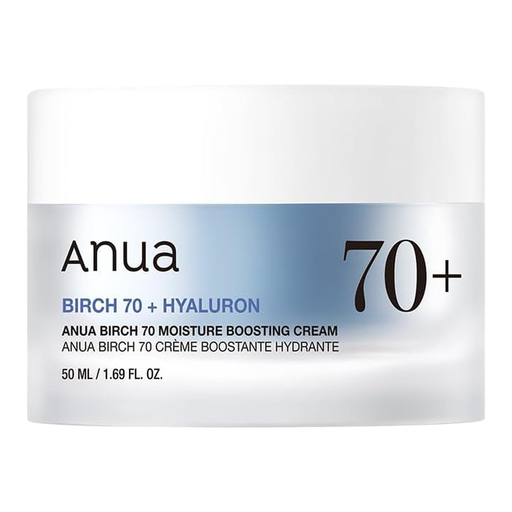
Why this product fits the profile: According to the product description, this lightweight moisturiser is suitable for dry, dehydrated and sensitive skin. It can be used morning and evening as a classic moisturiser.
The product description names specific ingredients such as birch water, panthenol, squalane and betaine, rather than relying solely on the term “lifting”.
Hydrating formula with panthenol, squalane and betaine; suitable for use on the face and neck.
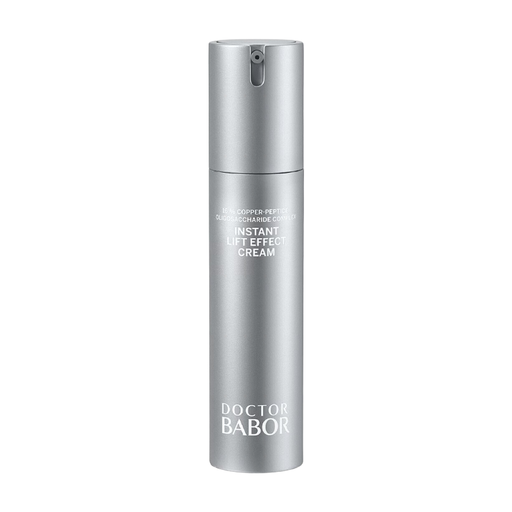
Why this product fits the profile: The formula contains several peptides, Sodium Hyaluronate, panthenol and allantoin, and is intended for use on the face, neck and décolletage.
The INCI list shows which peptides and humectants are included, making it easier to compare this skincare product objectively with others.
Peptide complex, hyaluronic acid and panthenol; according to the product information, free from mineral oil, parabens and silicones.
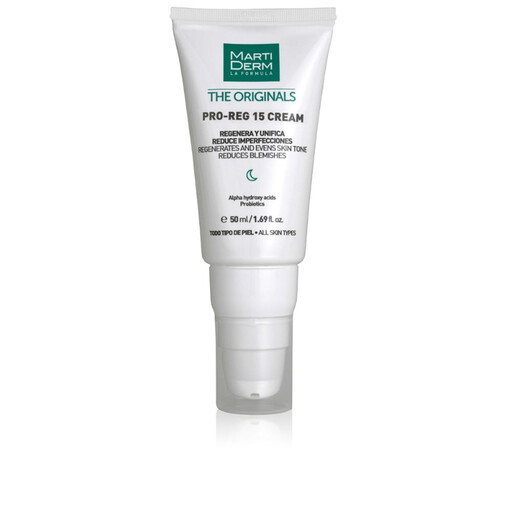
Why this product fits the profile: According to the product information, this night cream contains 15% glycolic acid, collagen and tocopherol, making it suitable for anyone specifically looking for an AHA-containing anti-wrinkle cream.
The 15% acid concentration is clearly stated. This makes it clear before purchase that extra care, a tolerance test and sun protection are required.
Clearly stated AHA concentration; use as an intensive night treatment on cleansed, dry skin.
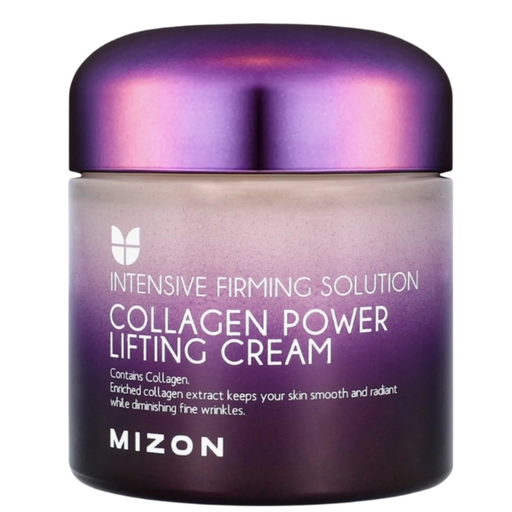
Why this product fits the profile: The larger 75ml size and combination of glycerin, hydrolysed collagen, Sodium Hyaluronate and Copper Tripeptide-1 make it suitable for a regular daily skincare routine.
The product details list the key hydrating and conditioning ingredients. This lets you choose the cream based on its feel and formulation, rather than simply on the word “Collagen”.
75ml contents; humectants, hydrolysed collagen and Sodium Hyaluronate in the stated formulation.
We have put together a complete, regularly updated list of products that fully meet these strict selection criteria and the safety regulations applicable in the EU.
For sensitive skin, simple, hydrating formulations without strong acids are often easier to introduce into your routine. Check the INCI list for fragrances and carry out a patch test before first use. Stop using the product if you experience burning, redness or a rash.
This depends on the formulation. A classic moisturiser can be used morning and evening according to the manufacturer’s instructions. Products containing AHA, BHA or retinoids should initially be used less frequently. The instructions on the packaging and product page are the definitive guide.
Many cosmetic products carry a symbol indicating how long they can be used after opening, such as “12M”. You should also check the printed best-before or expiry date. If the smell, colour or consistency changes noticeably, stop using the cream.