
Lieferung heute & morgen

Qualitätsgarantie

Willkommens-Angebote freischalten: KOSTENLOSE Lieferung | Bis zu 80 % RABATT | Kostenlose 30-Tage-JoyPlus-Testphase
App herunterladen
Heavy tiles, glass panels, furniture and building materials can be moved with greater control using suitable lifting equipment than with improvised solutions. However, the stated load capacity is not the only factor that matters. Focusing solely on high kilogram ratings or prominent product claims can lead to choosing equipment that is unsuitable for the actual surface, load shape or ground conditions.
Typical purchasing challenges when choosing lifting equipment for heavy loads include:
Do not compare only the maximum load capacity. Also consider the planned load and how its weight is distributed. With a furniture lifting strap or a lifting strap for furniture transport, the load should be positioned as centrally and securely beneath the item as possible. A furniture carrying strap solution for two people requires coordinated movements and clear commands.
With a hand truck, you should also check:
A stated load capacity generally applies under defined conditions. Uneven floors, steps and loads tipping sideways can reduce the actual load-bearing capacity.
An electric 300 kg vacuum lifter can be used with suitable materials such as glass, metal, marble, granite or ceramic panels. However, the 300 kg figure should be understood as the maximum suction capacity stated for the product, not as a blanket approval for every surface.
Pay attention to:
A vacuum lifter for rough surfaces should be assessed particularly carefully. In marketing terms, “rough” may refer to a textured surface that is still sufficiently dense. With open-pored concrete, dusty natural stone or uneven tile joints, the seal may not close continuously. The surface and suction pad should be cleaned before lifting. With valuable or heavy panels, a controlled test lift at a low height is recommended.
A furniture lifting strap distributes the load differently from gripping an edge directly. An adjustable length and wide strap surfaces can make handling easier. Nevertheless, a strap is no substitute for correct lifting technique: keep your back as straight as possible, lift with your legs and avoid moving loads jerkily.
For construction sites and removals, a transport aid for construction and moving is often useful when several boxes or a single heavy item need to be moved over longer distances. An aluminium hand truck can offer comparatively low empty weight. For frequent use on uneven ground, however, wheel size, bearings and frame construction are more important than the material alone.
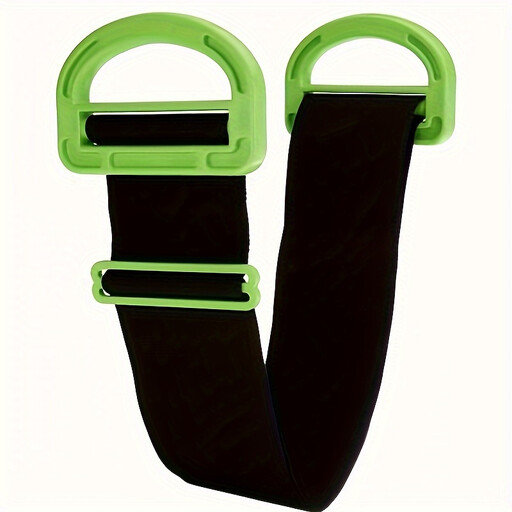
Why it’s a good fit: The adjustable furniture carrying strap is suitable for private individuals and removal helpers who want to move furniture, boxes or garden materials with one or two people.
According to the product details, the length can be adjusted from 3 to 6 feet. Before every use, inspect the strap, stitching and handles for damage.
6-inch width, adjustable length and a maximum load capacity of 800 pounds according to the manufacturer. Do not use it as climbing or fall-protection equipment.
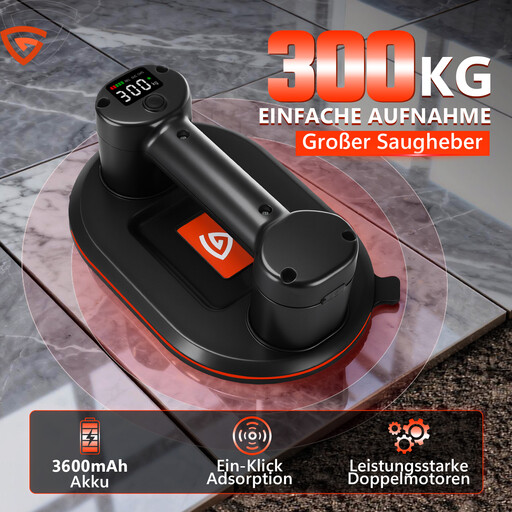
Why it’s a good fit: Designed for tile installers, assembly companies and construction businesses that need a battery-powered tile lifter or glass vacuum lifter with a pressure display.
According to the product description, the LCD display shows the vacuum pressure and battery level. Automatic pressure compensation is designed to detect pressure loss; the surface and suction pad must still be suitable.
Up to 300 kg of suction capacity according to the manufacturer, a 24 × 16 cm contact area and a 12 V/3,600 mAh lithium battery. This rating applies only under the specified conditions.
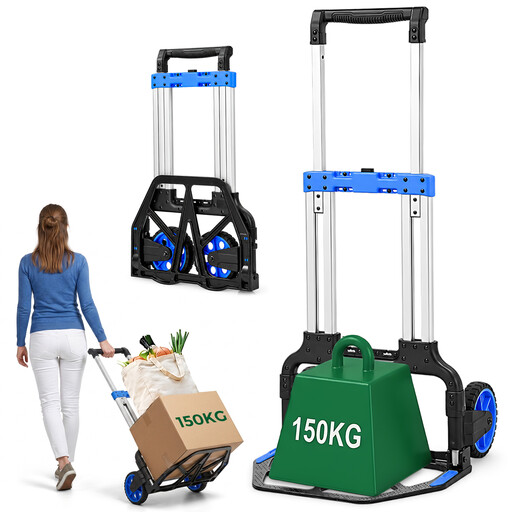
Why it’s a good fit: This foldable hand truck is designed for warehouses, construction sites, gardens and removals, where heavy boxes or materials are moved mainly across stable surfaces.
The telescopic handle must lock fully into place at either 77 or 107 cm. Secure the load with the two included bungee cords; do not exceed 150 kg.
Aluminium frame, folding design, TPR wheels and adjustable handle. According to the product details, the empty weight is 7 kg.
The complete selection includes lifting equipment for furniture and other transport solutions for different loads and operating conditions.
Before every use of lifting equipment for heavy loads, you should:
An electric vacuum lifter uses a pump to create negative pressure between the suction pad and the surface. The hold depends on the seal, cleanliness, material, flatness and direction of the load. For rough or porous surfaces, suitability should be checked in advance using the instructions and a controlled test lift.
A 150 kg rating does not automatically indicate safe use on stairs. When negotiating steps, the centre of gravity and leverage change. Check the manufacturer’s approval, secure the load and move heavy items on stairs only with suitable assistance.
Service life depends on the material, load, storage conditions and frequency of use. Moisture, direct sunlight, sharp edges and overloading can impair the material. A lifting strap for furniture transport should be inspected before every use for cracks, frayed stitching and deformed handles.