
Lieferung heute & morgen

Qualitätsgarantie

Willkommens-Angebote freischalten: KOSTENLOSE Lieferung | Bis zu 80 % RABATT | Kostenlose 30-Tage-JoyPlus-Testphase
App herunterladen
Choosing the right Chinese soy sauce can be a challenge for home cooks. The supermarket aisle is lined with bottles that vary in colour, name, and price, and the labels are often unclear. The wrong choice can quickly lead to a disappointing meal—a stir-fry that's too salty, or a braised dish that lacks its signature dark colour and depth.
As your Joybuy Product Recommendation Officer, I'm here to help you navigate the most common pitfalls and make an informed decision. We'll focus on the objective characteristics that define a quality soy sauce, so you can find the exact product that fits your cooking style.
Before we dive into the details, let's clear up two common misconceptions that often lead to the wrong purchase:
To choose the right Chinese soy sauce, you need to understand two core parameters. These will help you objectively evaluate a product's function and quality.
This is the most fundamental and important distinction in Chinese cooking. The two types are not interchangeable.
A high-quality Asian seasoning sauce is defined by its traditional brewing process and a short ingredient list.
Here are a few recommendations tailored to different user profiles. Each product has been selected based on its objective characteristics and intended use.
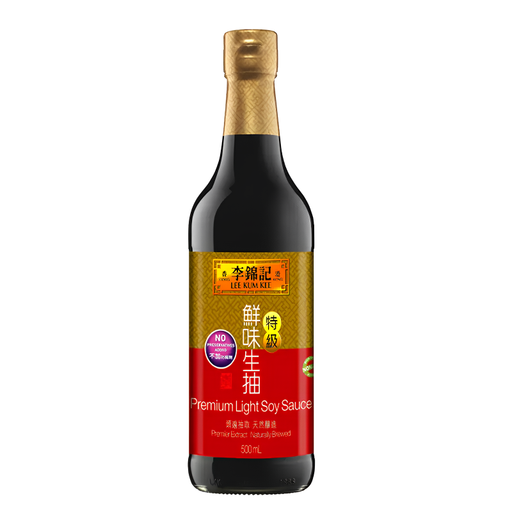
Why This Fits Their Persona: Ideal for anyone looking for a reliable, versatile light soy sauce for daily cooking. It's perfect for seasoning stir-fries, as a base for marinades, or as a dipping sauce. Lee Kum Kee is an established brand known for consistent quality.
This is a clearly defined light soy sauce, not a vague "all-purpose" sauce. It fulfils its primary function—adding salty flavour—thus avoiding the "one-sauce-fits-all" trap.
Brewed from non-GMO soybeans; delivers a distinct umami flavour that adds depth to dishes.
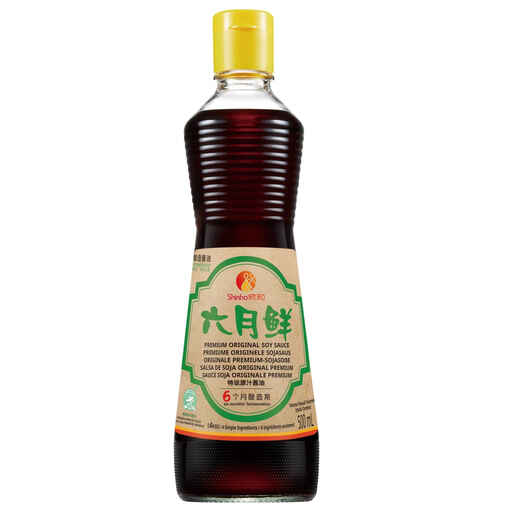
Why This Fits Their Persona: Perfect for those who value a pure formula. This additive-free soy sauce with reduced sodium is ideal for a health-conscious diet without sacrificing the full flavour of a naturally brewed sauce.
This product bypasses the hidden-additive trap with a transparent and short ingredient list. It proves that "premium" should be based on the formula, not the marketing.
Made with just four ingredients, according to the manufacturer, with no added sugar or preservatives. The sodium content is reduced by 26% while maintaining full flavour.
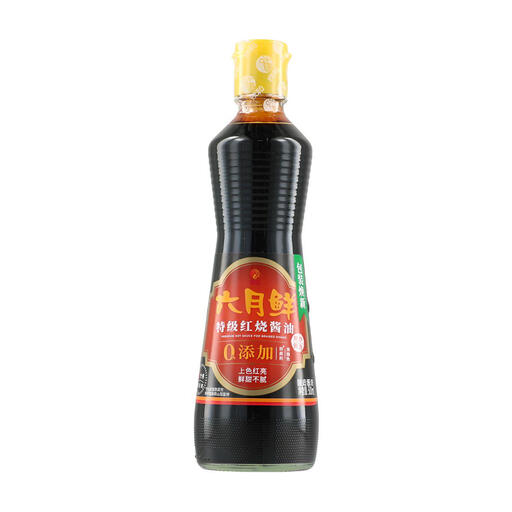
Why This Fits Their Persona: For cooks who want to prepare authentic Chinese braised dishes. This dark soy sauce is specifically designed to give dishes a rich, caramel-like colour and a sweet-savoury depth of flavour—a must-have for anyone tackling classics like red-braised meats.
This is a speciality soy sauce with a clear purpose. It prevents the common mistake of using light soy sauce for braising, which would result in a pale and overly salty dish.
Specially formulated for braising; ensures an appealing appearance and the characteristic flavour of Chinese "red-braised" dishes.
We've compiled a complete, up-to-date list of products that meet these strict selection criteria and quality standards.
1. How do I store Chinese soy sauce correctly? Unopened bottles should be kept in a cool, dark place like a pantry. Once opened, it's best to store soy sauce in the refrigerator. This slows down the oxidation process and helps preserve the aroma and flavour for months.
2. What is the difference between Chinese and Japanese soy sauce? Although both are made from fermented soybeans, there are distinct differences. Chinese soy sauce is often divided into light (salty, for seasoning) and dark (less salty, for colouring) varieties. Japanese soy sauce (shoyu) is typically brewed with a higher proportion of wheat, which tends to give it a sweeter and more complex aroma. It is mostly used as an all-purpose seasoning sauce.
3. Can I substitute light soy sauce for dark soy sauce? A direct swap is not recommended, as they serve different functions. If you use light soy sauce in a braised dish, it will become too salty and won't achieve the desired dark colour. Conversely, a stir-fry made with dark soy sauce will lack salty seasoning and may become too dark and slightly sweet. For authentic results, it's best to have both types on hand.