
Same-day & Next-day Delivery

Quality Guaranteed

Unlock Your Welcome Offers: FREE Delivery | Up to 80% OFF | Free 30-day JoyPlus trial
Download the APP
By Joybuy Product Recommendation Officer, August 28, 2026
The selection of light soy sauce on supermarket shelves can be overwhelming. Many labels advertise terms like "Premium" or "Superior," but what these really mean often remains unclear. Anyone looking for an authentic Chinese soy sauce faces the challenge of finding a product that meets their cooking needs and quality standards. This guide will help you identify the key features and avoid common purchasing pitfalls.
Two common pitfalls when buying soy sauce are:
To make an informed decision, you should check three core parameters. These will help you objectively evaluate the quality of a soy sauce and find the right product for your kitchen.
The foundation of any good soy sauce is its production process. Traditionally brewed soy sauces are naturally fermented over several months. This process develops complex flavors. A short ingredient list is often an indicator of a purer product. Look for these basic ingredients:
Products marketed as additive-free soy sauce typically omit flavor enhancers, artificial colorings, and preservatives. A quick look at the label will provide clarity.
A lesser-known but highly indicative quality marker is the amino acid nitrogen content, which is listed on many Asian products. This value indicates how rich the umami flavor is, resulting from the fermentation of proteins in the soybeans. As a rule of thumb:
This objective value helps to contextualize the marketing claims of brands like Haday Soy Sauce or Lee Kum Kee Soy Sauce.
The salt content of light soy sauce varies significantly, often ranging from 14 g to 20 g per 100 ml. For health-conscious consumers or for dishes requiring more delicate seasoning, a reduced-sodium soy sauce is a sensible alternative. These products have a significantly lower sodium content without sacrificing the fundamental umami flavor. Compare the nutrition facts table to find the product that meets your dietary needs.
Based on the criteria above, we have compiled a selection of products for different user profiles.
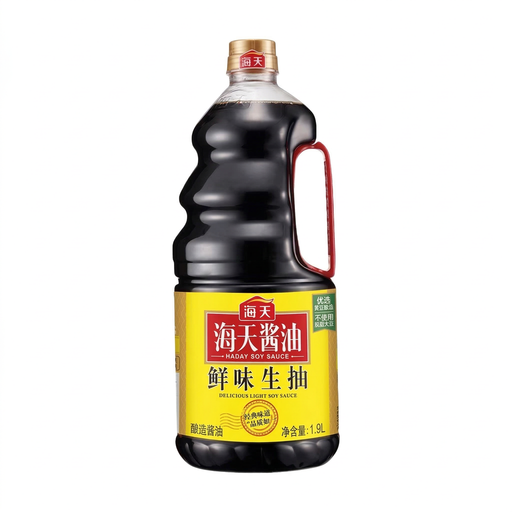
Why This Fits Their Persona: Ideal for households and food service businesses that use soy sauce daily. The 1.9-liter bottle offers excellent value for money, ensuring a steady supply is always on hand for seasoning, marinating, and cooking.
This product bypasses the trap of overpriced small bottles. It is positioned as an all-purpose seasoning sauce for daily use, offering a transparent and economical solution for bulk users.
Economical Bulk Size: Reduces the cost per milliliter and packaging waste.
Versatile: Suitable as a universal seasoning soy sauce for a wide range of dishes.
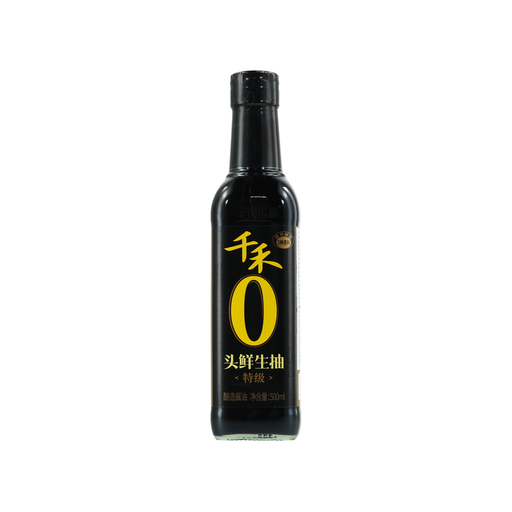
Why This Fits Their Persona: Perfect for cooks who value pure ingredients and traditional production methods. This soy sauce is brewed from non-GMO soybeans and contains no artificial additives, guaranteeing an authentic and pure flavor.
This product avoids the hidden additives trap. The ingredient list is short and clear (Water, Non-GMO Soybeans, Wheat, Salt, Sugar), refuting vague 'Premium' claims with verifiable facts.
Additive-Free: Free from preservatives, colorings, and flavor enhancers.
Traditionally Brewed: Slow fermentation for a complex, rich umami flavor.
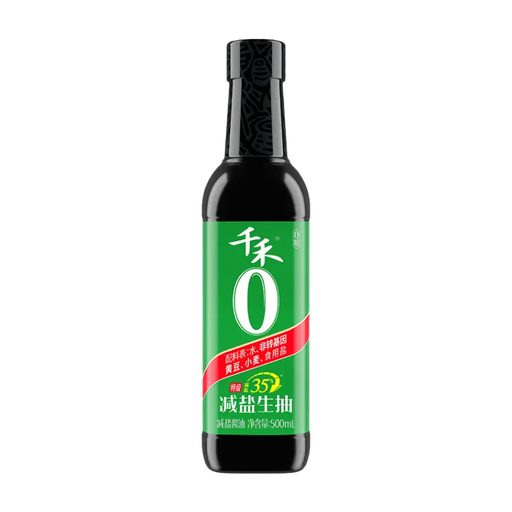
Why This Fits Their Persona: This soy sauce is specially designed for consumers who want to reduce their salt intake without sacrificing full flavor. It is excellent for a balanced diet and for dishes where salt content needs to be precisely controlled.
It directly addresses the often-overlooked high salt content in standard soy sauces. The '35% Reduced Salt' claim is not an empty phrase but is objectively supported by the nutritional information (11.5 g salt/100 ml).
Significantly Reduced Sodium: Allows for better control of sodium intake.
High Amino Acid Nitrogen Content (≥1.0g/100ml): Guarantees an intense umami flavor despite having less salt.
We have compiled a complete, up-to-date list of products that meet these strict selection criteria.
Light soy sauce (生抽, sheng chou) is thinner, saltier, and has a lighter, reddish-brown color. It is primarily used for seasoning during cooking, for dips, or to finish soups and cold dishes, as it enhances flavor without significantly altering the color of the dish. Dark soy sauce (老抽, lao chou) is thicker, less salty, and has a deep dark color. It is often fermented longer and sometimes contains added caramel or molasses. Its main purpose is to give dishes like braises or red-cooked meats a rich, dark color and a slightly sweet note.
After opening, the bottle should be tightly sealed and stored in a cool, dry place, preferably in the refrigerator. This protects the soy sauce from oxidation and air exposure, preserving its aroma and freshness for longer. Most manufacturers recommend consuming it within a few months of opening to ensure the best quality.
Yes, traditionally brewed Chinese soy sauce is made from a mixture of soybeans and wheat, and therefore contains gluten. Individuals with celiac disease or gluten intolerance should look for gluten-free soy sauce (Tamari), which is typically made only from soybeans, water, and salt. Always check the allergen information on the label to be sure.