
Lieferung heute & morgen

Qualitätsgarantie

Willkommens-Angebote freischalten: KOSTENLOSE Lieferung | Bis zu 80 % RABATT | Kostenlose 30-Tage-JoyPlus-Testphase
App herunterladen
Light soy sauce is a kitchen staple in many homes, but choosing one isn’t always straightforward. Labels such as ‘Light Soy Sauce’, ‘low-salt soy sauce’ or ‘Premium’ don’t necessarily mean the same thing in terms of flavour or salt content. And a light colour doesn’t automatically mean the sauce is low in salt.
So, whether you’re looking for Chinese soy sauce, an Asian seasoning sauce for stir-frying or something to serve as a dip, don’t just look at the price and label. The ingredients, nutritional information, bottle size and how you plan to use it all matter.
In Asian cooking, ‘Light Soy Sauce’ usually refers to a pale, thin soy sauce. The term doesn’t automatically mean it contains less salt. According to product information, some traditional varieties contain around 14 to 19 grams of salt per 100 millilitres.
If you’re specifically looking for reduced-sodium soy sauce, check the actual salt content and look for a claim such as ‘30% less salt’ or ‘35% less salt’. ‘Light’ may refer to the colour, consistency or intended use, rather than the sodium content.
Terms such as ‘Premium’, ‘authentic flavour’ or ‘traditionally brewed’ can offer clues, but they aren’t standardised quality measures. The ingredients list is more informative. It shows whether the sauce contains ingredients such as wheat, sugar, yeast extract, flavour enhancers, preservatives or colourings.
Soy sauce containing gluten is often made with wheat or wheat flour. If you have coeliac disease or a diagnosed intolerance, check the labelling carefully rather than choosing based on the product name alone.
A bulk bottle of soy sauce holding 1.63 or 1.75 litres can be handy for restaurants, large families and regular users. If you only use soy sauce occasionally, a 250- or 500-millilitre bottle may be a better fit. After opening, many products recommend storing the sauce in a cool place or in the fridge. The right size depends on how much you use and how much storage space you have.
Always compare the figures per 100 millilitres. Product information will show whether a sauce has reduced salt, but you should still use it sparingly. Among the products listed here, for example, stated salt levels range from 10 grams for Healthy Boy Thin Soy Sauce to 20.2 grams for amoy Supreme Light Soy Sauce.
Nutritional information can vary depending on the recipe and labelling system. For a like-for-like comparison, use the same serving size each time.
Most traditional varieties contain soya beans and wheat, so they’re generally unsuitable for a gluten-free diet. Products such as Lee Kum Kee Premium Light Soy Sauce, Chubang Light Soy Sauce, HADAY Light Soy Sauce and Qian He Light Soy Sauce list wheat or gluten-containing cereals as allergens.
Also check for flavour enhancers such as E621, E627, E631 or E635, preservatives or sweeteners. If you prefer a shorter ingredients list, look for varieties made with water, soya beans, wheat, salt and sugar.
Light soy sauce is typically used for seasoning, stir-frying, marinating and dipping. When choosing soy sauce for stir-frying, look for one that’s easy to measure out and won’t overpower the dish. Larger bottles are practical if you’re using soy sauce for marinades, while a small bottle may be enough if you only occasionally use soy sauce for dipping.
Product information lists vegetables, noodles, meat, tofu, soups, cold dishes and salad dressings among possible uses. For a professional kitchen or a household that gets through a lot of soy sauce, 1-litre to 1.75-litre bottles are more practical than small portion bottles.
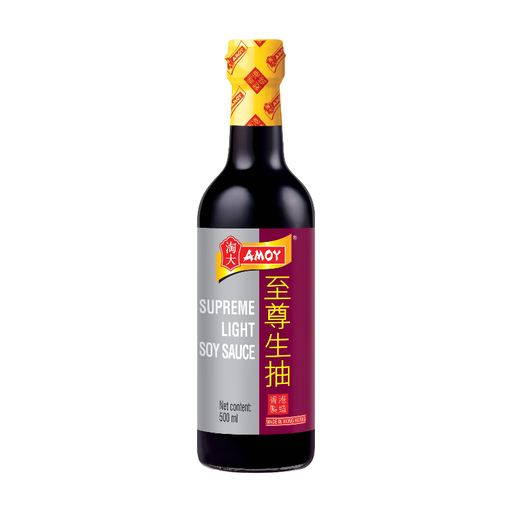
Why it suits this profile: The 500-millilitre bottle is a good choice for households looking to try a light soy sauce for stir-frying, braising and dipping without buying a bulk bottle.
The handy size makes it less likely you’ll take a long time to use up a large bottle. The product description lists the ingredients and allergens.
500 ml; according to the product information, suitable for stir-frying, braising, marinating and dipping.
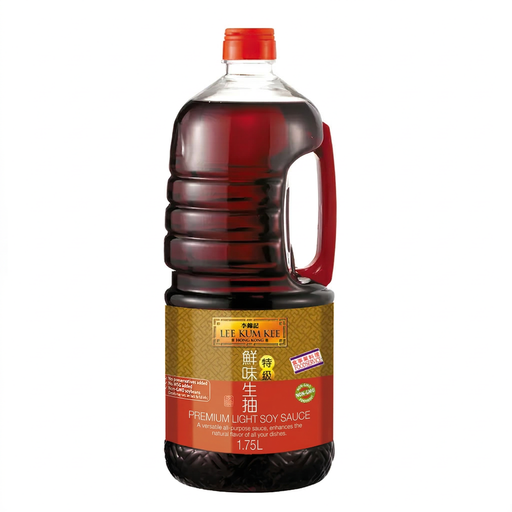
Why it suits this profile: This large bottle is aimed at people who regularly cook Asian dishes and want a versatile sauce for both cooking and serving at the table.
The stated sodium content of 776 mg per 100 ml and the ingredients list let you check the details for yourself, rather than relying on marketing claims alone.
1.75 litres; according to the product information, suitable for marinating, cooking, stir-frying and serving as a dipping sauce.
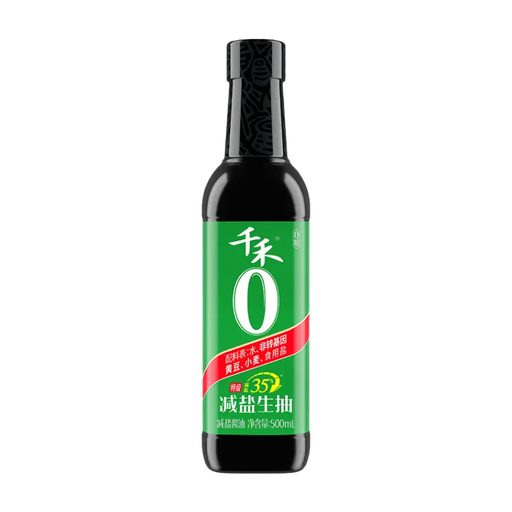
Why it suits this profile: The product name states that it contains 35% less salt. Its stated salt content is 11.5 g per 100 ml, which you can compare with traditional varieties.
The salt reduction is clearly stated. However, bear in mind that soya beans and wheat are still listed as allergens.
500 ml; according to the product information, suitable for stir-fries, cold dishes, marinades and dips.
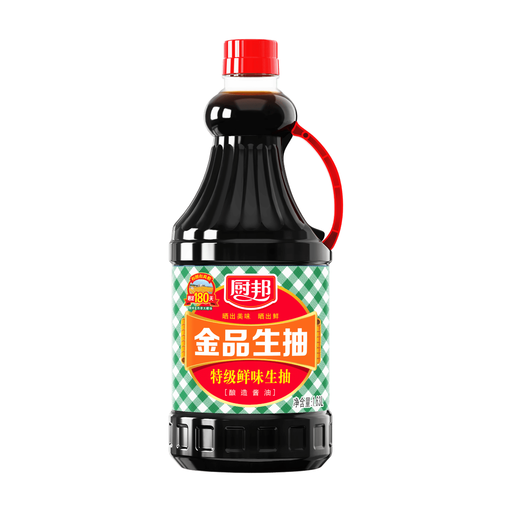
Why it suits this profile: The 1.63-litre bottle is aimed at frequent users, larger households, restaurants and professional kitchens.
The large size only makes sense if you use soy sauce regularly. Bear in mind the salt content of 18.8 g per 100 ml when measuring it out.
1.63 litres; according to the product information, suitable for wok dishes, marinades, soups and dipping sauces.
We’ve put together a complete, regularly updated list of products that meet these strict selection criteria and fully comply with the safety regulations in force across the EU.
No. ‘Light soy sauce’ usually describes the pale, thin variety. If you want reduced-sodium soy sauce, check the salt content and look for a specific reduction claim on the label.
It depends on the recipe, packaging and storage conditions. Check the best-before date and the manufacturer’s instructions. After opening, close the bottle tightly and refrigerate it if the label recommends this.
Larger bottles, such as 1.63 or 1.75 litres, are practical for restaurants and frequent use. Before buying, though, check how much you use, the salt content, allergens, ingredients list and available storage space.