
Lieferung heute & morgen

Qualitätsgarantie

Willkommens-Angebote freischalten: KOSTENLOSE Lieferung | Bis zu 80 % RABATT | Kostenlose 30-Tage-JoyPlus-Testphase
App herunterladen
A light-up building block house is more than just a toy or a decorative piece. It's a project that fosters creativity and, once completed, shines as an atmospheric focal point in any room. However, the path to a luminous model can be fraught with unexpected problems. Before you make a decision, it's crucial to understand the typical weaknesses that often only become apparent after the purchase. This guide will help you separate the good from the bad and find a set that truly brings joy.
The packaging often promises a magical lighting experience, but the reality can be disappointing. Pay close attention to these three common issues to avoid frustration.
To avoid a bad purchase, you should check a few key technical parameters before making your decision. These objective criteria will help you realistically assess a set's quality.
The implementation of the lighting is a critical quality indicator. Check how the light is integrated. Is it a light-up house kit that uses special light bricks, or is it a separate string of lights that is threaded through the model afterwards? Light bricks are often more elegantly integrated, while light strings can offer more flexibility. Also, pay attention to the power source:
The quality of the building blocks themselves is fundamental. High-quality sets use ABS plastic, known for its durability, dimensional stability, and consistent clutch power. A good indicator of quality is whether the manufacturer states that the bricks are compatible with systems from other well-known brands. This not only allows for trouble-free modifications but also for expansion with your own bricks.
The number of pieces is an initial clue to the complexity. A set with over 1,000 pieces is typically a detailed architectural model with lights, aimed more at experienced teens or adults. Models with fewer pieces are often more robust and designed as playsets for children. Consider whether the focus should be on the building experience and display, or if the model is primarily intended for play, such as a Christmas house kit for the whole family.
Based on the quality criteria mentioned, we have compiled a few products for different needs and user profiles.

Why This Fits Their Persona: Ideal for children aged 8 and up who are looking for an extensive building and play experience. With 1317 pieces, a slide, and a car, this set offers long-lasting play value beyond just the build, making it an excellent collaborative family project or a creative Christmas gift for hobbyists.
The set includes an integrated LED light system designed specifically for this model, which avoids complicated wiring. The high piece count suggests precise manufacturing to ensure the complex structure holds together.
Combines a building challenge with a playset. Includes many accessories like a slide and car for interactive play after assembly.
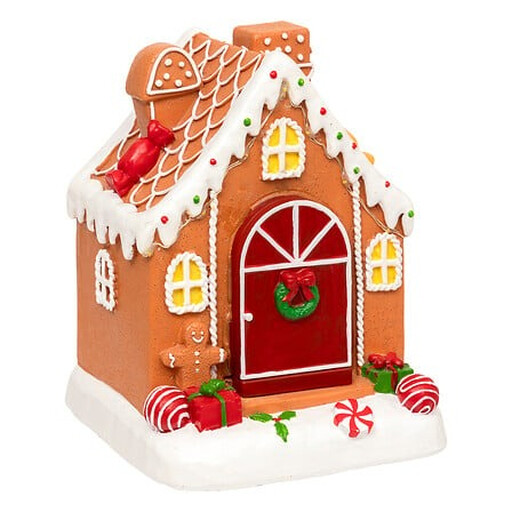
Why This Fits Their Persona: Perfect for anyone who wants the charm of a lighted house without the hassle of assembly. This model is a ready-made decoration, ideal for the Christmas season or as a year-round eye-catcher. The focus is on immediate atmospheric impact.
Since this is not a building kit, problems with clutch power or complicated assembly are eliminated. The 8 LEDs and music function are professionally integrated and ready to use out of the box. What you see is what you get.
No assembly required. Battery-operated for flexible placement. Combines light, movement, and music for a complete decorative experience.
We have compiled a complete, up-to-date list of products that fully meet these strict selection criteria and safety regulations.
1. How complicated is it to install the LED lighting in a building block house? The difficulty level varies by manufacturer and model. Good sets include detailed, separate instructions for the wiring. The cables are often very thin and must be precisely routed between the bricks. It requires patience and a delicate touch, but it is generally manageable for teens and adults. Plan a separate step for this after the main construction is complete.
2. Which power source is better for a light-up building house: USB or batteries? This depends on the intended use. USB is ideal for a permanent display on a shelf or desk, as it ensures a constant power supply without any drop in performance. Batteries offer maximum placement flexibility and avoid cable clutter, which is particularly advantageous for seasonal decorations (e.g., a Christmas village). The downside is the ongoing cost and the diminishing light effect as the batteries weaken.
3. Can you add lights to an existing building block house? Yes, that's possible. There are universal third-party LED kits designed specifically for retrofitting building block models. These typically include a selection of LEDs, connecting cables, and a power source (USB or battery box). However, installation requires careful planning and often the partial disassembly of the model to hide the wires.