
Lieferung heute & morgen

Qualitätsgarantie

Willkommens-Angebote freischalten: KOSTENLOSE Lieferung | Bis zu 80 % RABATT | Kostenlose 30-Tage-JoyPlus-Testphase
App herunterladen
A quick and cost-effective way to give a room or piece of furniture a fresh new look is to use peel and stick wallpaper. In particular, a light wood grain wallpaper can make rooms appear larger and create a welcoming atmosphere. However, the market is flooded with products of widely varying quality. Before you make a decision, it's crucial to understand the common pitfalls that often only become apparent after your purchase.
This guide will show you what to look for to make an informed choice for your DIY wall design project and avoid disappointment.
Many buyers are drawn in by appealing product images, only to discover defects after application. These three issues are particularly common causes of dissatisfaction:
peel and stick wallpaper adheres well at first, but after just a few weeks, bubbles form or the corners and edges begin to peel away. This is especially common in areas with temperature fluctuations, such as near radiators or windows.To avoid these problems, you should base your purchasing decision on objective criteria. The following three parameters are decisive for a successful result.
The material composition has a direct impact on durability and application range.
Even the best wood effect adhesive film won't perform well if the substrate isn't right. The golden rule is: the surface must be smooth, clean, dry, and non-porous. Dust, grease, or imperfections will significantly reduce adhesion. For covering furniture, this means that lacquered or sealed wood surfaces are ideal, while untreated, raw wood often requires a primer. Adhesive films generally do not stick reliably to textured wallpaper due to the uneven surface.
Measure the area to be covered precisely and calculate your square metre requirement. Always plan for a surplus of at least 10–15% for pattern matching and cuts. This is especially important when using a light wood effect furniture film with a visible grain that needs to be aligned perfectly. Larger rolls are often the better choice for accent walls as they require fewer seams, creating a more uniform final look. Look for the grid lines printed on the back, which make straight cuts easier.
Here are some product suggestions tailored to different needs and projects.
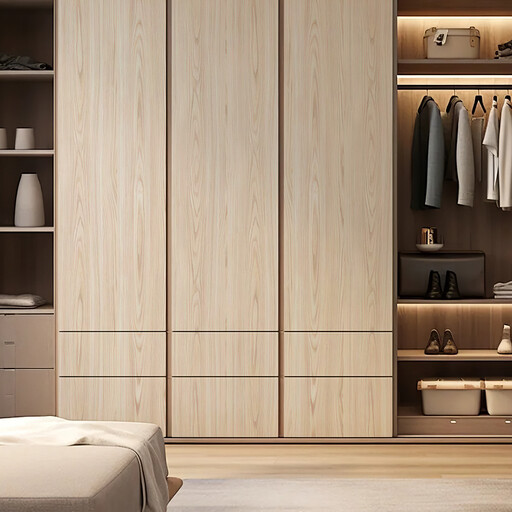
Why This Fits Their Persona: The roll size is ideal for first-time DIY projects like covering dressers, shelves, or small accent areas. It offers a low-cost entry point to try out the technique without producing a lot of excess material.
The PVC material offers good opacity and prevents show-through on properly prepared surfaces. The manageable roll size minimises application errors for beginners.
Washable PVC surface; grid lines on the back for precise cuts.
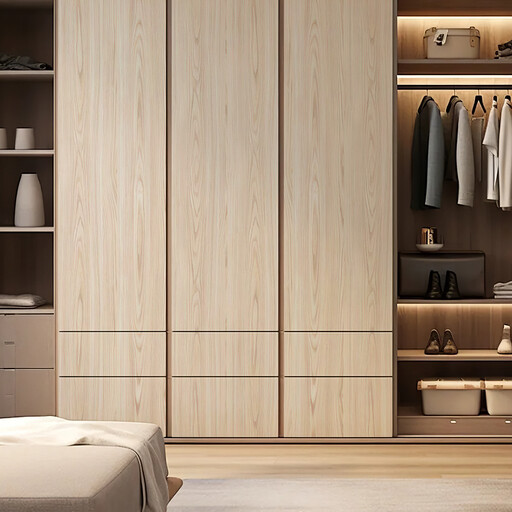
Why This Fits Their Persona: With a length of over 5 metres, this roll is perfect for creating entire accent walls. The larger area per roll minimises the number of seams, which leads to a more professional and cohesive final appearance.
Reduces the risk of visible seams and pattern mismatches, a common problem when using multiple small rolls. The PVC quality ensures consistent colour and texture across the entire surface.
Greater coverage per roll (approx. 3 m?); fewer seams for a uniform appearance of the light wood grain wallpaper.

Why This Fits Their Persona: For users who value authentic materials. This real bamboo wall panel offers a natural feel and a visible, genuine grain that a simple printed film cannot replicate. Note: This product is not self-adhesive and requires a suitable adhesive for installation.
As this is a natural product, it completely avoids the "unrealistic look" trap. It provides an authentic texture and depth of colour characteristic of natural materials.
Made from 100% renewable bamboo; offers an authentic, tactile surface texture.
We have compiled a complete, up-to-date list of products that meet these strict selection criteria and current regulations.
Durability heavily depends on the material quality, proper surface preparation, and environmental conditions. A high-quality PVC film applied to a smooth, clean, and dry surface can last for several years in normal-use living spaces. Areas with high humidity or significant temperature fluctuations can shorten its lifespan.
This is generally not recommended. The uneven structure of textured wallpaper prevents the adhesive film for furniture or walls from adhering completely. This inevitably leads to the formation of air bubbles and poor durability. For an optimal result, the substrate should be as smooth as possible.
Most modern PVC adhesive films are designed to be removable from suitable, sealed surfaces (like lacquered furniture or laminate fronts). Gently heating the film with a hairdryer can soften the adhesive and make removal easier. However, it is always advisable to test removability in an inconspicuous area first.