
Lieferung heute & morgen

Qualitätsgarantie

Willkommens-Angebote freischalten: KOSTENLOSE Lieferung | Bis zu 80 % RABATT | Kostenlose 30-Tage-JoyPlus-Testphase
App herunterladen
A light wood effect can bring warmth and a modern, Scandinavian-inspired atmosphere to any room. Self-adhesive wallpapers and furniture films promise a quick and affordable update without the hassle of traditional wallpapering. However, not every product lives up to its promise. Before you invest in a quick fix, it's important to understand the common weaknesses that can compromise the final result.
Many users report three key problems:
An informed choice based on objective criteria will help you avoid these pitfalls and achieve a durable, attractive result.
To make a well-informed decision, you should check three technical parameters. These are crucial in determining the quality, application, and longevity of your new wall or furniture design.
Most adhesive films are made of PVC (Polyvinyl Chloride). Here, material thickness is a decisive factor. Thicker films are not only more resistant to tears and scratches but also better at concealing minor surface imperfections. A thicker wood-effect furniture film is also easier to apply bubble-free because it is more dimensionally stable. Check if the product is described as a washable wallpaper. A sealed PVC surface can be easily cleaned with a damp cloth, making it particularly suitable for use as a kitchen backsplash film or on high-traffic furniture.
The quality of the adhesive determines the product's durability. A good adhesive bonds strongly but allows for brief repositioning during application. However, surface preparation is critical. The surface to be covered must be absolutely smooth, clean, dry, and free of grease or dust. Rough or textured surfaces, such as woodchip wallpaper, do not provide an adequate base for adhesion. For a successful DIY wall design on painted walls, the paint should be completely cured. The major advantage of this peel-and-stick wallpaper is that it requires no additional paste.
A seamless appearance is essential for a realistic wood effect. Check the roll width and length. Wider rolls (e.g., 60 cm instead of 45 cm) reduce the number of panels needed and thus the number of visible seams on a wall. Longer rolls are advantageous for covering an entire wall height without a break. This is especially important when creating an accent wall or wanting a uniform look for larger projects like refurbishing furniture with film. A well-designed pattern with a long pattern repeat (the distance after which the pattern repeats itself) also appears more natural.
Based on the quality criteria mentioned, we have compiled products for various projects and requirements.
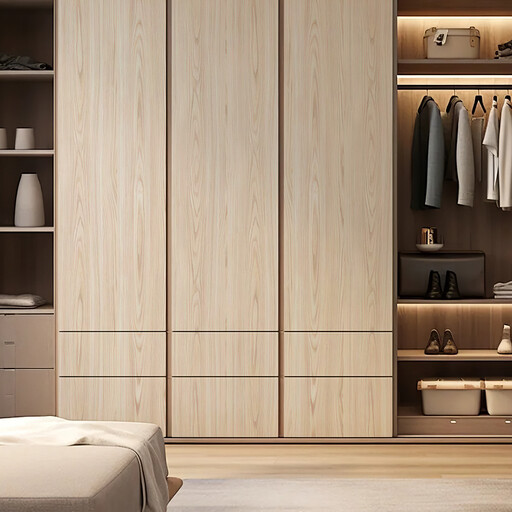
Why it's a good fit: Ideal for targeted upgrades of furniture pieces or small wall sections. The 60 cm width is well-suited for standard cabinet doors or dressers and creates a modern, bright aesthetic that lightens up dark corners.
The premium PVC material is dimensionally stable and durable, which minimises the risk of tearing during application on edges (e.g., for a light oak cabinet film).
The roll size covers approx. 1.8 m?, which is sufficient for many DIY furniture projects and avoids material waste. The surface is wipeable.
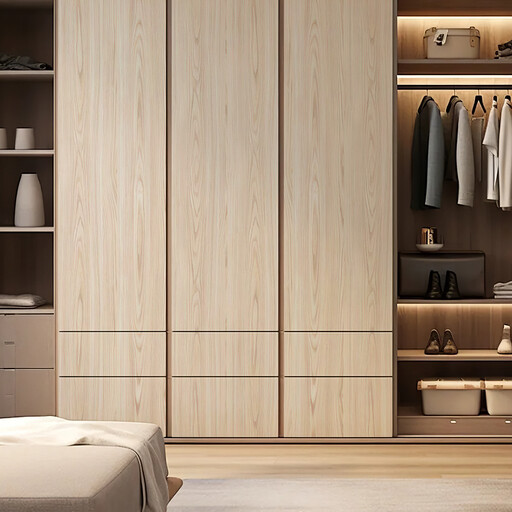
Why it's a good fit: Designed for larger areas like accent walls in living rooms or bedrooms. The extra-long roll allows for continuous application from floor to ceiling in most rooms.
The length of over 5 metres reduces the need for horizontal seams, which minimises the problem of a busy, artificial pattern caused by visible joins.
One roll covers approx. 3 m?. The continuous grain over a larger area ensures a calmer and more professional overall look.
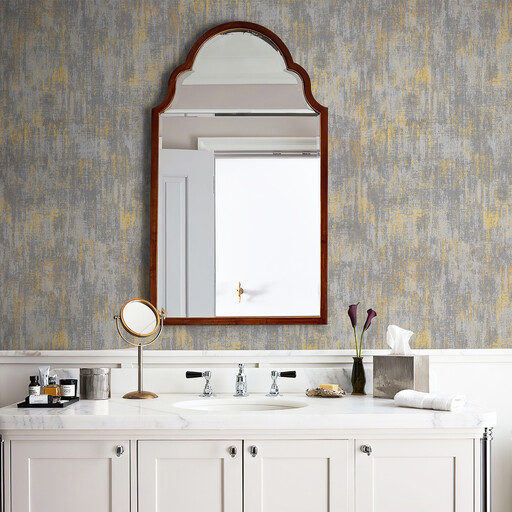
Why it's a good fit: An alternative for those who prefer a cool, urban concrete look over a wood effect. Ideal for hallways, home offices, or as a contrast to wooden furniture.
The textured concrete look is more forgiving of errors than a smooth wood grain. Small bubbles or imperfectly aligned seams are less noticeable and barely disrupt the overall appearance.
The premium PVC material provides a robust and wipeable surface suitable for daily use and conceals minor wall imperfections better than solid-coloured films.
Explore our full range of wall design products, carefully selected based on objective criteria for material and design.
No, this is not recommended. The uneven texture of woodchip wallpaper does not provide enough surface area for the adhesive to bond to. The film would not adhere securely, and air bubbles could quickly form and the edges could peel. A smooth, clean surface is required for a durable result.
To remove a light wood-effect adhesive film, gently heat the surface with a hairdryer. The heat softens the adhesive, making it easier to peel off the film. Pull the film off slowly at a shallow angle. Any remaining adhesive residue can usually be removed with a mild cleaning agent or a special adhesive remover. Always test the remover on an inconspicuous area first.
Standard PVC films have limited heat resistance. They should not be installed in the immediate vicinity of open flames or hot hobs (especially gas stoves). For the area directly behind the hob as a kitchen backsplash film, there are special, more heat-resistant materials available. However, for cabinet fronts or wall areas with sufficient distance from heat sources, a high-quality PVC film is perfectly suitable. Always check the manufacturer's specifications regarding heat resistance.