Joybuy Insights

Lightweight Backpack: Buyer’s Guide and Recommendations

The wrong backpack—or one that's too heavy—can be the difference between a great day out and a total ordeal. Whether for your daily commute, a weekend hike, or a multi-day trek, the right model takes the strain off your back and ensures your gear is transported safely and neatly.

This article serves as a guide to help you choose a lightweight backpack. It highlights the key criteria tailored to specific uses and presents a selection of models with different specialities.

What to Look For When Choosing a Lightweight Backpack

The decision for a particular model should be based on a careful assessment of function, material, and fit. The following points will help you clarify your requirements.

1. Define Your Purpose and Required Volume

The necessary volume, measured in litres (L), depends directly on the planned activity.

  • Everyday Use and Commuting (up to 20 litres): A small backpack or daypack is often sufficient here. It offers space for a laptop, documents, a water bottle, and personal items. A low base weight is crucial for daily comfort.
  • Day Hikes and Sports (20 to 30 litres): A hiking backpack or sports backpack of this size can also hold provisions, a rain jacket, and a first-aid kit. Models for dynamic activities, like a cycling backpack, should also fit snugly against the body.
  • Multi-Day Trips (35 litres and up): A trekking backpack must provide enough room for clothing, a sleeping bag, a sleeping pad, and cooking equipment. A robust carrying system and a smart compartment layout are essential for organising your gear.

2. Material, Weight, and Weather Protection

Modern backpacks are typically made of synthetic fibres like polyester or polyamide (nylon), which offer a good balance of tear resistance and weight.

  • Weight: The empty weight of the backpack itself is a key factor. Ultralight models reduce the overall load but may be less durable than those made from thicker fabric.
  • Weather Protection: Many fabrics have a water-repellent coating that can withstand a brief, light shower. For reliable protection in heavy rain, you'll need a model explicitly labelled as a waterproof backpack or a separate rain cover.

3. Carrying System and Fit for Men & Women

A good carrying system distributes the load evenly and prevents pressure points.

  • Shoulder Straps: They should be ergonomically shaped and padded.
  • Back Padding: Ventilation channels or a mesh back panel improve air circulation and reduce sweating.
  • Hip and Sternum Straps: These straps are fundamental, especially on a hiking backpack or trekking backpack. The hip belt transfers a large portion of the weight from the shoulders to the more stable pelvis, while the sternum strap secures the shoulder straps and prevents them from slipping. Models for men & women often differ in the shape of the shoulder straps and the positioning of the hip belt to accommodate different anatomies.

Our Top Picks: Lightweight Backpacks for Different Needs

Here is a selection of models that are well-suited for various applications due to their specific features.
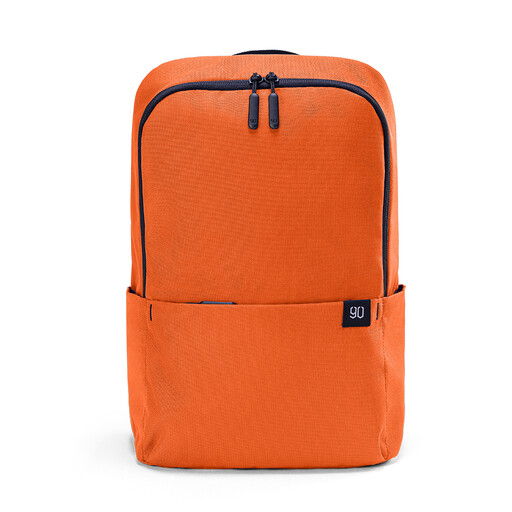
NINETYGO Tiny Backpack, 12L

NINETYGO Tiny Backpack in Orange

What makes it stand out: Weighing just 194 grams, this model is uncompromisingly designed for lightness. The tear-resistant and water-repellent fabric makes it an effortless companion for urban life.

Pros:

  • Extremely light: At 194 g, the backpack weighs less than a small bottle of water.
  • Compact format: The 12-litre compartment offers enough space for an iPad, books, and other essentials.
  • Practical details: A hidden front pocket allows quick access to cards or a power bank, while side pockets provide space for an umbrella or a bottle.

Best for: Ideal for commuters, students, and city travellers looking for a minimalist and feather-light daypack for their daily essentials.
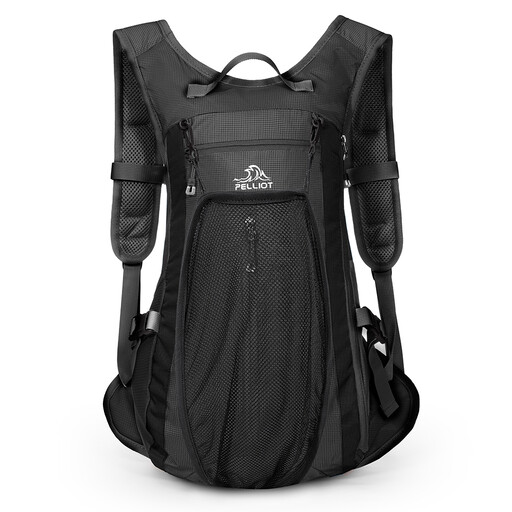
PELLIOT Trail Running Backpack, 20L

PELLIOT Trail Running Backpack in Black and Yellow

What makes it stand out: This sports backpack is designed for high-motion activities. Its S.L.F. (Stable, Light, Fast-access) carrying system ensures a close, wobble-free fit, while the abrasion-resistant material can withstand contact with branches or rocks.

Pros:

  • Ergonomic carrying system: The pressure-reduction system distributes the load evenly, relieving the shoulders on long tours.
  • Stable fit: The body-hugging design prevents the backpack from bouncing up and down while running or cycling.
  • Robust construction: The high-strength grid polyester fabric is designed for durability on the trail.
  • Smart compartments: Multiple pockets allow for organised storage of tools, snacks, and gear.

Best for: A great choice for trail runners, mountain bikers, and athletic hikers who need a functional cycling backpack or hiking backpack with 20 litres of volume and a secure fit.
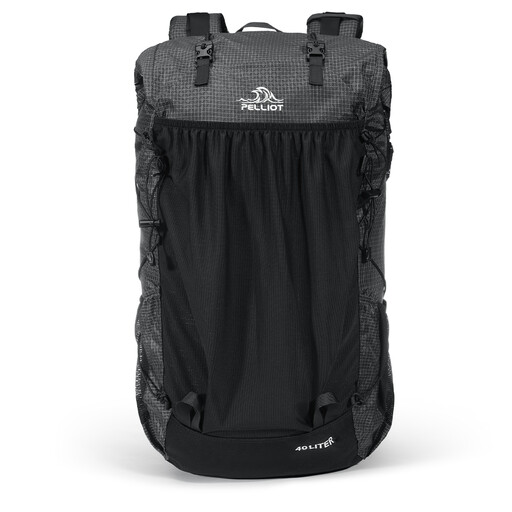
PELLIOT Trekking Backpack, 40L

PELLIOT Trekking Backpack in Rock Grey

What makes it stand out: With 40 litres of volume and an integrated carrying system with an aluminium frame, this trekking backpack is built for multi-day tours with a medium-weight load. The dynamic carrying system technology supports your natural walking motion.

Pros:

  • Efficient load distribution: The aluminium frame directs the majority of the weight to the hips, thus relieving the shoulders and back.
  • Dynamic carrying system: The shoulder straps adjust their angle as you walk, which reduces resistance and prevents fatigue.
  • Breathable back system: An ergonomically shaped EVA back panel with ventilated mesh ensures good air circulation.
  • Large capacity and organisation: The 40-litre volume is complemented by numerous pockets and external attachment points for trekking poles or a sleeping pad.

Best for: Designed for hikers and trekking enthusiasts who need a reliable backpack for two- to three-day tours and value comfort when carrying a heavier load.

Explore More Options

Are you looking for a more specialised solution, for example for your bicycle or for even more compact transport options? Sometimes a rear rack bag can be a practical addition or alternative.

Discover our selection of other transport solutions here.

Frequently Asked Questions (FAQ)

How many litres should a lightweight backpack for a day hike have?

For a typical day hike, a volume between 20 and 30 litres is usually a good choice. This size offers enough space for water, food, a rain jacket or extra layer, and a small first-aid kit without being overly bulky.

What's the difference between "water-repellent" and "waterproof"?

A water-repellent fabric is treated with a coating that causes light rain to bead off for a short time. A waterproof backpack, on the other hand, is made of materials and a construction (e.g., sealed seams) that prevent water from getting in, even during sustained or heavy rain. For water-repellent models, using a separate rain cover is recommended for complete protection in bad weather.

How do I determine the correct torso length for a hiking backpack?

Torso length is measured from the C7 vertebra (the prominent bone at the base of your neck) down to the iliac crest (the top of your hip bones). Many manufacturers provide size charts based on this measurement. An adjustable back system offers additional flexibility to ensure a precise fit and optimise carrying comfort.