
Lieferung heute & morgen

Qualitätsgarantie

Willkommens-Angebote freischalten: KOSTENLOSE Lieferung | Bis zu 80 % RABATT | Kostenlose 30-Tage-JoyPlus-Testphase
App herunterladen
A lightweight camping chair should take up little space when you’re out and about, be quick to set up and still offer enough stability. However, product descriptions such as “ultralight”, “robust” or “comfortable” say little on their own about how practical a chair really is in everyday use. What matters are clear, verifiable details about weight, packed size, frame, seat and maximum load.
As a Joybuy Product Recommendation Officer, I’ll explain the most important buying criteria and show you which models suit different types of use.
A particularly low weight can be practical, but it is not automatically a sign of a suitable construction. Always check:
The load capacity generally refers to an evenly distributed, static load. Dynamic movements, leaning to the side or use on uneven ground can put greater strain on the construction.
A compact trekking chair is especially useful when it can be set up without tools and with just a few simple movements. Some models look very space-saving when packed away, but require several separate parts to assemble.
Look for clear assembly instructions and make sure all the legs are standing fully on the ground. With a folding camping chair, the locking mechanism should be easy to understand and engage securely before use.
An aluminium frame can reduce weight, while steel frames are often heavier. However, durability also depends on the workmanship, connection points and how the chair is handled when exposed to moisture.
Oxford fabric or Textilene are no guarantee of unlimited durability. Sand, dirt, rain and direct sunlight can put long-term strain on materials. Clean the chair after use and store it completely dry.
For trekking, backpacking or festivals, carrying weight is particularly important. An ultralight camping chair weighing less than one kilogram is more suitable for backpacking trips than a 10-kilogram garden lounger.
Also compare the packed size. A long, narrow measurement of, for example, 36 cm may fit into a rucksack more easily than a wide folding chair, even if both weigh a similar amount.
A camping chair with an aluminium frame often offers a good balance between weight and load capacity. The material is not the only important factor; the construction matters too:
For a garden, balcony or patio, a heavier steel frame may also be a sensible choice if frequent transport is not a priority.
A low, portable outdoor chair is suitable for short breaks while hiking, while a taller lightweight garden chair can make it easier to stand up. For anglers, a folding fishing chair with a drinks holder or side pocket can be practical. If you want to relax on the beach or balcony, you may prefer an adjustable chair or lounger.
Before buying, check:
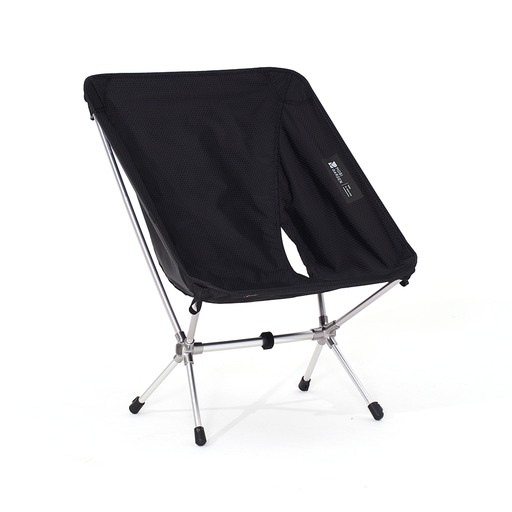
Why this product suits this profile: With a net weight of approximately 765 g, a packed size of 11 × 11 × 36 cm and a stated static load capacity of approximately 140 kg, this chair is designed for use on the go.
The weight, packed size and load capacity are stated clearly. The triangular frame structure and non-slip rubber feet address a common weakness: an unstable standing position.
Aluminium alloy frame, Oxford fabric, one-handed folding mechanism and compact transport size.
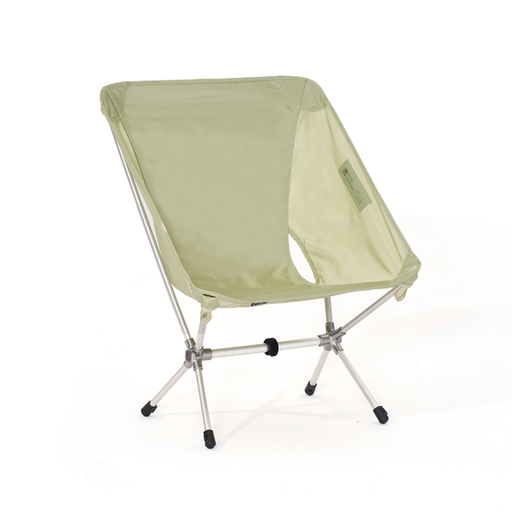
Why this product suits this profile: According to the product details, the green version has the same dimensions as the black model and is aimed at users looking for a reusable seat for trekking and backpacking.
The description mentions a wear-resistant Oxford seat and provides clear care instructions. This makes it clear that the cover should not be machine-washed.
Approximately 765 g in weight, approximately 140 kg static load capacity and a quick-folding design.
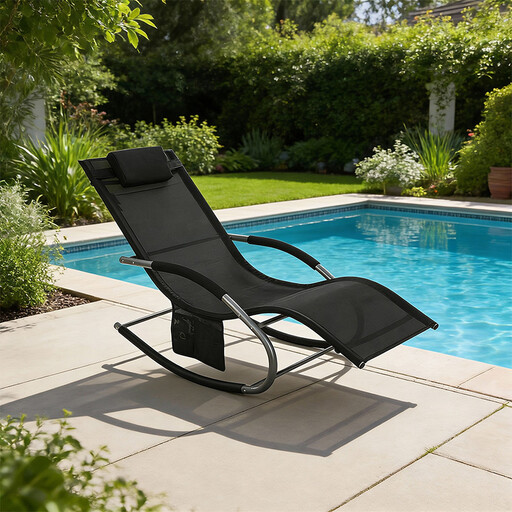
Why this product suits this profile: With a reclining area measuring 150 × 63 cm, a net weight of 10 kg and a stated load capacity of 150 kg, this model is intended for gardens, patios, balconies and beaches.
The higher weight is stated transparently. This helps buyers understand that the lounger is better suited to transport by car than to carrying over long distances.
Powder-coated steel frame, Textilene fabric, headrest and side pocket; dimensions 63 × 150 × 87 cm.
Whether you choose a lightweight garden chair, a portable outdoor chair or a garden lounger with a headrest, proper care affects its service life.
A zero-gravity recliner is designed for relaxed sitting or reclining, but it is not a substitute for an ergonomic or medical seat. Its suitability depends on your height, sitting position and personal preference.
We’ve put together a complete, regularly updated list of products that fully meet these strict selection criteria and the safety regulations applicable in the EU.
For trekking and backpacking, models weighing under one kilogram are particularly easy to carry. For a balcony, garden or beach, a higher weight may be acceptable if it comes with a larger seat or an adjustable backrest.
Its service life depends on the load, ground conditions, weather and care. A chair should not be left out permanently in the rain or direct sunlight. Regularly checking the seams, joints, frame and foot pads can help you spot signs of wear at an early stage.
You cannot judge this by weight alone. The stated static load capacity, frame material, construction and base are all relevant. Only use each model when fully unfolded, on firm ground and within the manufacturer’s stated limits.