
Lieferung heute & morgen

Qualitätsgarantie

Willkommens-Angebote freischalten: KOSTENLOSE Lieferung | Bis zu 80 % RABATT | Kostenlose 30-Tage-JoyPlus-Testphase
App herunterladen
Lightweight cushioned trail running shoes need to meet several requirements at once. They should not feel unnecessarily heavy on tarmac, provide sufficient grip on woodland paths and offer suitable pressure distribution over longer runs. This is where poor purchases often happen. A low price or marketing claim such as “Ultra-Grip” alone says little about fit, sole construction or intended use.
An especially lightweight shoe may have a thin midsole or little stabilising structure. That may be sufficient for short, dry runs. On longer distances or changing terrain, however, a balanced combination of cushioning, energy return and support may be more suitable. Actual weight should therefore always be considered alongside the sole material and fit.
Trail running shoes with deep lugs are not practical on every surface. On wet tarmac, they may roll more harshly, while a flatter all-terrain tread can be better suited to mixed routes. The key factors are the rubber compound, tread arrangement and the specific version of the shoe. Specifications such as ROCKYTEC or Vibram Megagrip should only be taken into account when they are explicitly listed for the selected model or variant.
Running shoes fit differently depending on the brand and last. For longer runs, many people need a little room in front of the toes without the heel slipping. A wide toe box may be worth considering for wider feet or a less restrictive fit. However, the centimetre measurement in the size chart and your individual foot shape are decisive—not just your usual EU size.
Lightweight running shoes often use EVA foams. EVA cushioning can help reduce impact forces when your foot lands and create a springier rolling sensation. However, the material name alone does not describe how soft or stable a shoe feels. Also pay attention to:
For long distances, running shoes with balanced cushioning are often more practical than very soft models, which may feel less controlled on uneven ground. Cushioning is not a medical guarantee and does not replace individual fitting advice if you experience discomfort.
Road-to-trail running shoes with a versatile rubber outsole are often suitable for road running and paved paths. If you regularly run over wet roots, loose sand or muddy sections, look for a specifically described slip-resistant rubber compound and a suitable tread pattern.
The PELLIOT model is listed with a ROCKYTEC sole. According to the product description, it is designed for wet rocks, mud and loose sand. Selected versions also specify Vibram Megagrip. This feature does not automatically apply to every colour or size variant, so check the product details before buying.
Breathable running shoes with sandwich mesh or a woven upper can release heat and moisture more quickly. This is particularly relevant during longer runs and in warmer temperatures. A TPU film can provide additional abrasion resistance on selected versions, but it may affect breathability.
Heel hold, lacing and lateral guidance are also important for stable running shoes. The Li-Ning YUEYING 6 is described as having a heel area widened by 2 millimetres, PROBAR LOC and HEEL LOC+TUFF RB. These specifications relate to the shoe’s construction and should not be understood as a promise to prevent injury or pain.
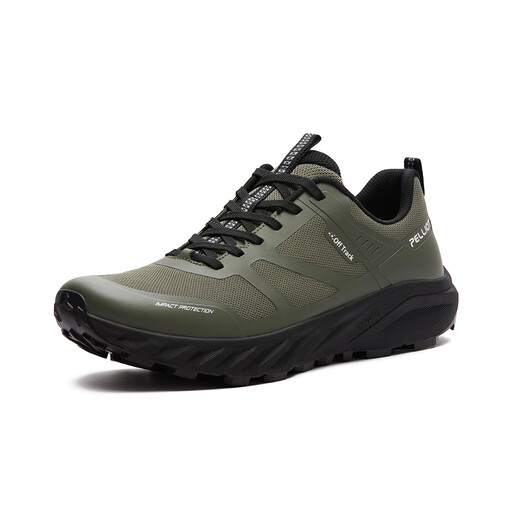
Why this product suits this profile: For beginners who want to switch between urban paths, laps around the park and easy natural trails, this model combines a lightweight upper with an EVA midsole and an outsole designed for several types of terrain.
The product description specifies both the weight of the construction and the EVA cushioning and ROCKYTEC grip. This makes it easier to assess the intended use than a purely promotional claim about lightness.
Sandwich mesh and woven upper; highly elastic EVA foam; sizes EU 39 to 45 according to the product information.
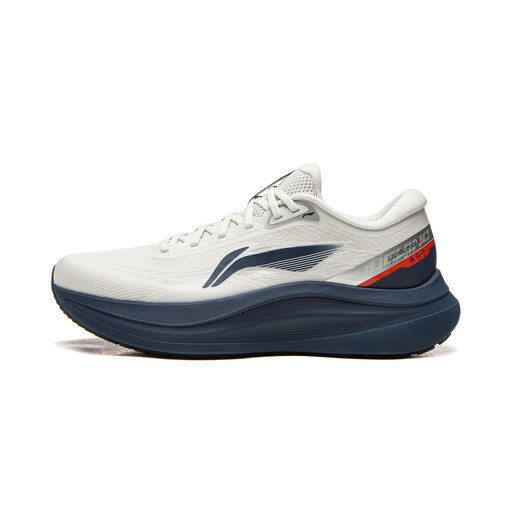
Why this product suits this profile: This shoe is aimed at runners who value a structured fit, heel fixation and full-length cushioning. The wider toe box can provide more room for those with the corresponding foot shape.
Rather than simply highlighting low weight, Li-Ning describes the midsole, the widened heel area and the rearfoot fixation. This makes it easier to assess your need for stability.
Full-length Tempo-Bounce midsole; rubber outsole with zoned tread; fit information with the option of going up half a size.

Why this product suits this profile: This unisex model is worth considering if you are looking for a shoe for road running, paved paths and more demanding trail sections, with the option to choose between standard and slim fits.
You can make your choice based on foot length, fit variant and the specific sole specification. For versions with Vibram Megagrip, check whether this feature belongs to the selected variant.
Breathable sandwich mesh; highly elastic EVA midsole; ROCKYTEC rubber outsole; sizing based on foot length.
Measure both feet, ideally in the afternoon and while wearing the socks you use for running. Use the longer foot measurement as your guide and compare it with the relevant chart. The toe area should allow freedom of movement, while the heel should not noticeably lift when walking or during short warm-up runs.
After running on wet or muddy ground, clean your trail running shoes with a damp cloth or mild cleaning product and allow them to air-dry. Direct heat, machine washing and strong cleaning products can put strain on the upper, adhesives and foam. Regularly check the tread, heel area and midsole. There is no fixed mileage limit for a shoe’s lifespan, as wear is affected by the terrain, body weight, running style and care.
We have put together a complete, regularly updated list of products that fully meet these strict selection criteria and the safety regulations applicable in the EU.
Road-to-trail running shoes with a versatile rubber outsole can be suitable for tarmac, park paths and easy trails. For long road runs, the tread should not be unnecessarily aggressive, as a smoother roll may feel more comfortable.
This depends on your weight, running style, terrain and personal preference. Medium to more pronounced cushioning can feel comfortable on hard surfaces. Secure heel hold and sufficient stability remain important. A very soft shoe is not automatically suitable for everyone.
The price depends, among other things, on the sole material, upper, brand and model, and features. Do not compare only the final price. Also consider fit options, returns conditions, care instructions and your intended use. This will give you a better idea of whether a model is suitable for regular running or only occasional use.