
Lieferung heute & morgen

Qualitätsgarantie

Willkommens-Angebote freischalten: KOSTENLOSE Lieferung | Bis zu 80 % RABATT | Kostenlose 30-Tage-JoyPlus-Testphase
App herunterladen
An overloaded, heavy backpack can needlessly complicate your commute to work, university, or through the city. Many are therefore looking for a practical solution that holds just the essentials without becoming a burden. A lightweight daypack offers exactly that: enough space for everyday items, combined with superior carrying comfort and a low overall weight.
This article presents a selection of models that stand out for their functionality and minimalist design. You'll also find helpful tips to guide you in choosing the right backpack for your needs.
To find the right model, several functional aspects should be considered. These criteria will help you identify a backpack that is both practical and durable.
The material directly impacts the weight, durability, and protection of the contents. Modern synthetic fibres like high-strength nylon or tear-resistant polyester are a common choice. They are inherently lightweight yet robust. Another crucial feature is whether the backpack is water-repellent. Such a coating protects the contents from light rain or splashes, which is especially beneficial for commuters and travellers.
A compact backpack doesn't have to be disorganised. The volume, measured in litres, indicates how much it can hold. For daily use, models between 10 and 20 litres are often sufficient to store a tablet, a book, a water bottle, and small personal items. A thoughtful interior layout with separate compartments helps maintain order. Some models also offer expandable capacity, making them a flexible companion for various needs—ideal as a small work backpack or a lightweight travel backpack.
Especially with daily use, carrying comfort is crucial. Adjustable and ergonomically shaped shoulder straps distribute weight evenly and prevent pressure points. For a commuter backpack, lightly padded straps are recommended to ensure a comfortable fit even on longer journeys. The low self-weight of the backpack itself is the foundation for an effortless carrying experience.
Based on the criteria mentioned, we have compiled a selection of models well-suited for urban life.
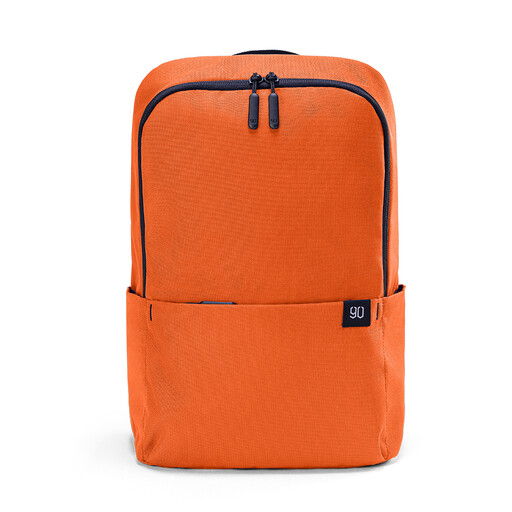
Why it stands out: This model fully embraces minimalism. Weighing only 194 grams, the backpack is barely noticeable, making it an option for anyone who values maximum lightness. According to the manufacturer, the material is tear-resistant and water-repellent, making it a durable companion.
Key Specifications:
Who is it for? This city backpack is a fitting choice for users who carry only the essentials and prefer extremely lightweight luggage. It is suitable for short trips, daily commutes without a laptop, or as a secondary backpack when travelling.
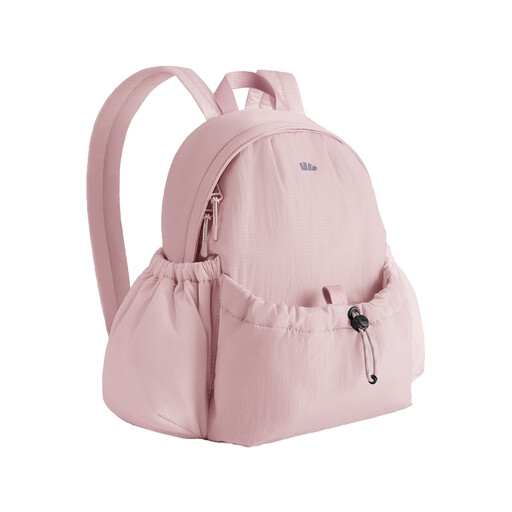
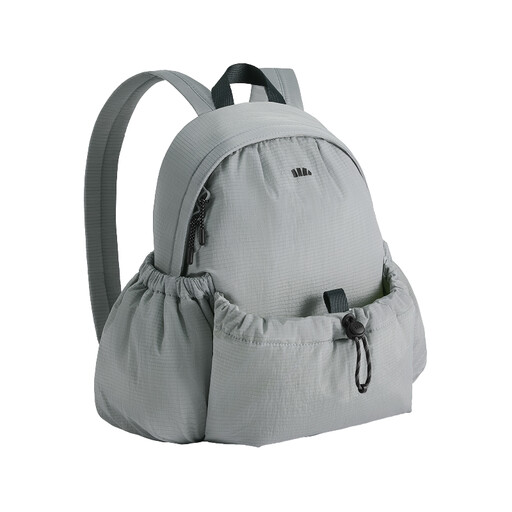
Why it stands out: The standout feature of this model is its flexibility. The volume can be expanded by 30% when needed, from 10 litres to 13 litres. This makes the backpack adaptable for days when you need to carry more. According to the manufacturer, the high-strength nylon fabric used is lightweight, flexible, and resistant to wind and rain.
Key Specifications:
Who is it for? This backpack is ideal for commuters, students, and travellers with varying space requirements. The expansion feature offers a clear practical advantage for carrying extra items like a jacket or small purchases. The pressure-relieving straps enhance comfort even when the pack is fully loaded.
If the models presented don't perfectly match your requirements, or if you'd like to compare more designs and sizes, you can find additional alternatives in our broader collection.
Explore our full range of lightweight and packable backpacks
A functional, lightweight daypack combines several key features: a low self-weight (typically under 500 grams), durable and ideally water-repellent materials, a thoughtful compartment layout for organisation, and comfortable, adjustable straps for ergonomic comfort in daily use.
For typical urban use, where you might carry items like a tablet, a water bottle, a book, and personal essentials, a volume between 10 and 20 litres is generally sufficient. Models with 10–13 litres are very compact and minimalist, while backpacks up to 20 litres can also accommodate a small laptop or an extra sweater.
No, there is a difference. "Water-repellent" means the material causes water to bead up and roll off for a certain period, protecting against light rain or splashes. The contents are protected during brief showers. "Waterproof," on the other hand, means the backpack will not let water in, even in heavy rain or during brief submersion, which is often achieved with sealed seams and special zips. For normal city use, a water-repellent feature is usually sufficient.