
Lieferung heute & morgen

Qualitätsgarantie

Willkommens-Angebote freischalten: KOSTENLOSE Lieferung | Bis zu 80 % RABATT | Kostenlose 30-Tage-JoyPlus-Testphase
App herunterladen
In competitive gaming, milliseconds and micro-movements separate victory from defeat. For many ambitious players, a lightweight esports gaming mouse is therefore not an option, but a necessity. However, the market is flooded with marketing promises and technical specs that often confuse more than they clarify. This guide focuses on the crucial criteria and helps you avoid common purchasing mistakes, ensuring your next mouse actually enhances your performance.
Before diving into sensors and switches, it's important to recognise the most common marketing traps that often lead to poor purchasing decisions.
To make the right choice, you should focus on three core technical areas. These define the true performance of a mouse for competitive gaming.
Weight is only half the battle. An ultra-light gaming mouse must fit your hand perfectly and support your individual grip style (Palm, Claw, or Fingertip Grip). An ergonomic gaming mouse is shaped to promote a natural hand posture and provide comfort even during hours-long sessions. Pay attention to the dimensions and shape of the mouse in relation to your hand size. A weight between 50 and 65 grams is considered the sweet spot for most esports athletes, as it allows for agility without sacrificing stability.
The sensor is the heart of any gaming mouse. Modern optical sensors like the Pixart 3395 or the Razer Focus Pro offer extremely high resolution (DPI) and flawless tracking on various surfaces. For a mouse for FPS games, high tracking accuracy without acceleration or smoothing is essential. Equally important is the polling rate, measured in Hertz (Hz). It indicates how often the mouse reports its position to the computer. 1000 Hz is the standard for gaming, while high-end models are already reaching 8000 Hz, resulting in even smoother cursor movement.
The choice between a wired and a wireless mouse is now a matter of personal preference, not necessarily performance.
Instead of making a one-size-fits-all recommendation, we have selected models tailored to the different needs of competitive players.
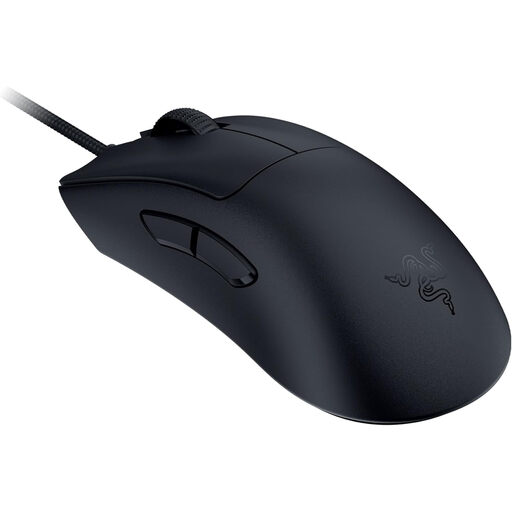
Why it's a match: For players who refuse to compromise on latency. The wired connection, combined with 8000 Hz HyperPolling technology, delivers a near-instant signal transmission that can be decisive in fast-paced FPS games.
It combines a low weight of 59 grams with a proven ergonomic shape, thus avoiding the "weight-only" trap. The 8000 Hz polling rate is a measurable technical advantage, not an empty marketing promise.
Razer 8000 Hz HyperPolling technology for minimal input delay; Razer Focus Pro 30K sensor for high precision.
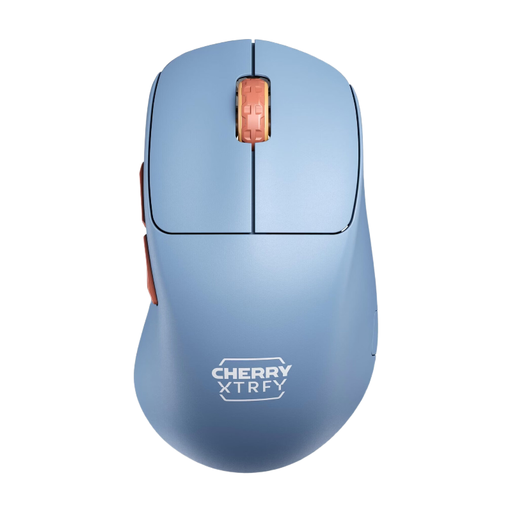
Why it's a match: Ideal for players seeking maximum freedom of movement and an extremely low weight. The unique low-front design allows for finger placement closer to the mousepad, enabling exceptional control during rapid target switches.
It debunks the myth of wireless latency with a stable 2.4 GHz connection and a top-tier Pixart 3395 sensor. The extremely low weight of 53 grams is complemented by a functional, innovative shape that enhances control.
Extremely lightweight (53g) for maximum agility; unique ergonomic design with a low front; driverless configuration directly on the mouse.
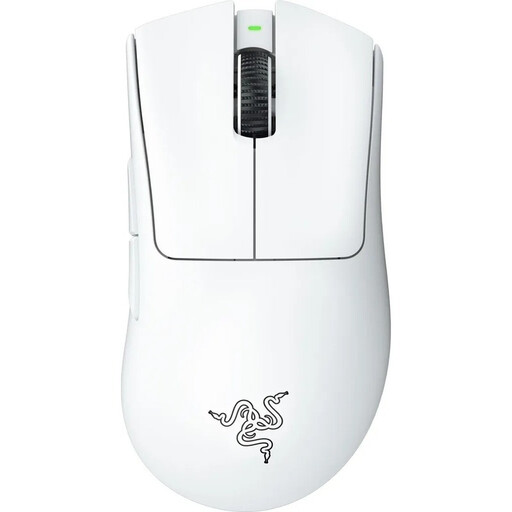
Why it's a match: An all-rounder that combines the proven ergonomics of the DeathAdder series with top-tier wireless performance. At 64 grams, it's lightweight yet offers enough substance for players who prefer a more stable glide.
This model proves that a pro wireless gaming mouse can deliver tournament-grade performance without a cable. Razer HyperSpeed Wireless technology ensures extremely low latency, while the refined shape guarantees comfort and control.
Razer HyperSpeed Wireless technology for a stable, fast connection; proven ergonomic shape for long-lasting comfort.
A professional gaming setup requires more than just a great mouse. Explore our range of accessories to complete your gear, keep things organised, and ensure reliable power.
1. How important is the polling rate on a gaming mouse?
The polling rate is especially significant in the competitive scene. A higher rate, measured in Hertz (Hz), means the mouse reports its position to the computer more frequently. While 1000 Hz is the established standard for fluid gameplay, rates up to 8000 Hz can further reduce input delay and make cursor movement appear even smoother on high-refresh-rate monitors.
2. Will a wireless gaming mouse's battery last through an entire gaming session?
Yes, modern wireless esports mice are designed for long gaming sessions. Models like the ones featured here offer battery life of 70 hours or more. Additionally, most mice can be used with a flexible cable while charging, so there's no interruption to your game.
3. Do I need special software for a lightweight esports mouse?
That depends on the manufacturer. Many esports-focused mice, like those from CHERRY XTRFY, allow you to configure all key settings (DPI, polling rate) directly via buttons on the mouse itself, ensuring driverless use on any PC. Other manufacturers like Razer offer optional software (e.g., Razer Synapse) for advanced customisations like key bindings and macros. However, the basic functions are almost always available via plug-and-play.