
Lieferung heute & morgen

Qualitätsgarantie

Willkommens-Angebote freischalten: KOSTENLOSE Lieferung | Bis zu 80 % RABATT | Kostenlose 30-Tage-JoyPlus-Testphase
App herunterladen
For competitive gamers, especially in fast-paced FPS titles like Valorant or CS:GO, the right mouse can mean the difference between victory and defeat. A lightweight gaming mouse reduces fatigue and enables faster, more precise movements. However, the market offers a vast array of models with different specifications, which can make the selection process daunting.
This article serves as your guide. We'll break down the crucial technical features that define a professional gaming mouse and present a curated selection of models that excel in specific areas. Our goal is to provide you with an informed basis for your decision.
Choosing the right mouse depends on individual preferences and your playstyle. However, three technical aspects are particularly crucial for performance.
Weight is a key factor. An ultra-lightweight gaming mouse (typically under 65 grams) reduces movement resistance, allowing for quick directional changes and flick shots with less effort. This can improve reaction time and reduce wrist strain during long gaming sessions.
The shape of the mouse should match your grip style. There are three main types of grips:
The sensor is the heart of any gaming mouse. Key metrics include:
Modern wireless gaming mouse models now match their wired counterparts in performance. Technologies like Razer HyperSpeed or Logitech LIGHTSPEED offer near-zero latency connections suitable for esports. The main advantage is the unrestricted freedom of movement without any cable drag. Wired mice, on the other hand, offer a constant power supply and are often slightly lighter as they don't require a battery.
Based on the criteria above, we have compiled a selection of models that stand out for their specific technical features, making them ideal for competitive gaming.
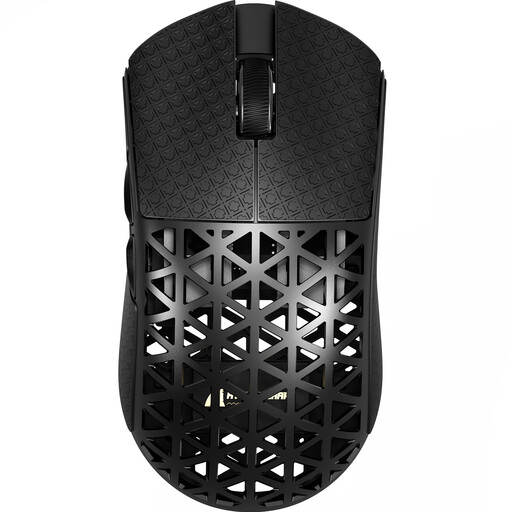
Why It Stands Out: The ATTACK SHARK R5 ULTRA sets a new standard in ultra-lightweight construction with its injection-molded carbon fiber composite shell. Weighing only approx. 42 grams, it is one of the lightest wireless models on the market. Combined with an 8000 Hz polling rate in 2.4G mode, it is engineered for maximum speed and responsiveness.
Pros:
Who It's For: This model is aimed at gamers who prioritise the lowest possible weight to achieve maximum agility and minimal fatigue. It is especially suitable for users with a fingertip or claw grip who are looking for every millisecond advantage in fast-paced FPS games.
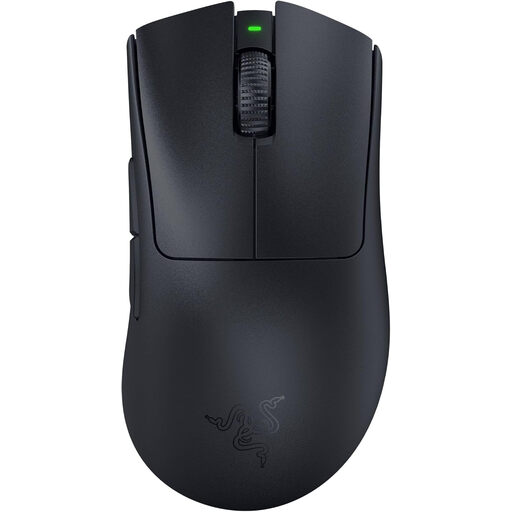
Why It Stands Out: The Razer DeathAdder V3 Pro is the result of an evolution developed in collaboration with esports professionals. Its focus is on an optimised ergonomic shape for right-handers that provides high comfort even during long sessions. At 63 grams, it is very light for an ergonomic mouse of its size and combines this with Razer's high-performance sensor technology.
Pros:
Who It's For: Ideal for gamers with a palm or claw grip who are looking for an ergonomic gaming mouse with a proven shape and wireless freedom. The combination of comfort, low weight, and reliable wireless technology makes it a solid choice for a wide range of competitive players.
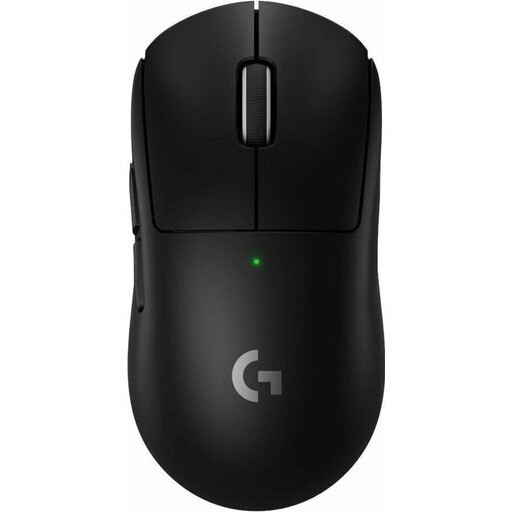
Why It Stands Out: The Logitech G PRO X SUPERLIGHT 2 is the evolution of one of the most popular models in esports. It offers a balanced combination of low weight (60 grams), a safe, symmetrical shape, and cutting-edge technology. With the HERO 2 sensor and an upgraded polling rate of up to 8000 Hz (with the separately available HyperPolling Dongle), it is competitive at a professional level.
Pros:
Who It's For: An excellent all-round esports mouse for players seeking a proven, symmetrical shape and reliable performance. It is suitable for various grip styles and is a common choice in professional tournaments, underscoring its reliability and capability.
The selection presented here covers specific user profiles. If you haven't found the right model for your needs or budget, you can find a wide variety of other alternatives in our broader category.
? Discover more models in the Mouse Accessories category
1. How important is the weight of a gaming mouse, really? For fast-paced games like FPS shooters, a low weight is advantageous. It reduces mouse inertia, which allows for faster target acquisition (flicks) and directional changes. It can also reduce wrist fatigue during long gaming sessions. For slower game genres like strategy games or MOBAs, weight is a less critical factor, and preference is more subjective.
2. Are wireless gaming mice suitable for esports? Yes. Modern wireless technologies from leading manufacturers offer transmission rates that are indistinguishable from wired connections. Many professional esports athletes now use a wireless gaming mouse for the unrestricted freedom of movement without a disruptive cable.
3. What does an 8K polling rate mean in practice? A polling rate of 8000 Hz means the mouse reports its position to the PC 8,000 times per second. This results in extremely smooth cursor movement and a theoretically lower input lag of up to 0.125 milliseconds (compared to 1 ms at 1000 Hz). The difference is subtle but can be noticeable for highly competitive players. It's worth noting that a high polling rate also consumes more CPU resources.