
Lieferung heute & morgen

Qualitätsgarantie

Willkommens-Angebote freischalten: KOSTENLOSE Lieferung | Bis zu 80 % RABATT | Kostenlose 30-Tage-JoyPlus-Testphase
App herunterladen
Choosing the right luggage can be the difference between a stress-free journey and unnecessary complications at the airport. The weight of your luggage is a particularly crucial factor, not only affecting your comfort during transit but also helping you avoid excess baggage fees from airlines. This article serves as a guide to understanding the features of lightweight luggage and making an informed decision based on your individual needs.
The decision for a piece of luggage should be based on a balance of material, functionality, and your intended travel purpose. Here are some objective criteria to help you with your selection.
The material is primarily responsible for the overall weight and longevity of a piece of luggage. Luggage that is both lightweight and durable often represents the ideal compromise.
The volume of a piece of luggage should match your travel duration and packing style. Modern luggage solutions often offer more than just rigid storage space.
Based on functionality, material, and versatility, we have compiled a selection of models that cater to different travel requirements.

Why It Stands Out: This backpack combines an extremely low weight with a clever expansion feature. It is designed for daily use but is also suitable for short trips or as a secondary bag on longer journeys due to its flexibility.
Advantages:
Who Is It For? Ideal for commuters, digital nomads, and day-trippers looking for a lightweight, flexible, and weather-resistant solution for their essential items.
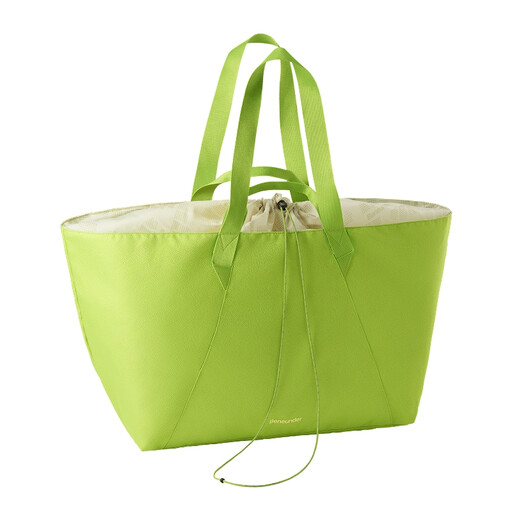
Why It Stands Out: This extra-large travel tote offers an exceptional capacity-to-weight ratio. Its ability to expand from a standard size to an enormous 140-litre volume makes it a versatile option for demanding transport tasks.
Advantages:
Who Is It For? Suitable for travellers who need a solution for transporting bulky items, for moving house, or as a backup bag for extra luggage on long trips.
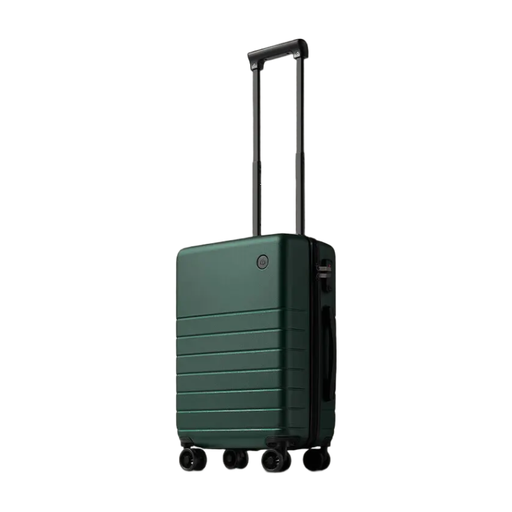
Why It Stands Out: This carry-on suitcase relies on high-quality materials and a thoughtful design. The use of German Covestro polycarbonate ensures a robust yet lightweight shell that stands up to the rigours of air travel.
Advantages:
Who Is It For? A great choice for business travellers and weekend vacationers seeking a durable, secure, and stylish piece of cabin luggage with thoughtful details.
The products presented here cover specific use cases. If you are looking for other colours or models that better suit your style, you may find more suitable items in our collection.
? Discover more options in the Green Bag category
The term "lightweight" is relative and depends on the type of luggage. Generally, you can use the following benchmarks:
As a rule, soft-shell suitcases made from materials like nylon or polyester are lighter than hard-shell suitcases of a comparable size. However, technological advancements in polycarbonate have reduced the weight difference. Soft-shell cases often offer more flexibility and exterior pockets, while hard-shell cases provide better protection against impacts.
An average empty carry-on suitcase (approx. 35-40 litres in volume) weighs between 2.5 and 4 kg. Models specifically designed as lightweight luggage can reduce this weight to under 3 kg, allowing more leeway for packing within airline weight limits.