
Lieferung heute & morgen

Qualitätsgarantie

Willkommens-Angebote freischalten: KOSTENLOSE Lieferung | Bis zu 80 % RABATT | Kostenlose 30-Tage-JoyPlus-Testphase
App herunterladen
Lightweight running shoes with cushioning should combine low weight, comfortable foot guidance and sufficient comfort for repeated landings. In practice, however, poor purchases are caused not only by inadequate cushioning, but also by an unsuitable fit or an inappropriate outsole. This applies to men’s running shoes just as much as to unisex running shoes.
A lightweight construction alone says little about running comfort. Important factors include the foam used, the thickness and geometry of the midsole, and the stability of the platform. A shoe may feel light but offer too little support for long distances. Conversely, a more highly cushioned midsole can affect the way the foot rolls through the stride.
You should therefore look for specific information about the midsole material, cushioning concept and intended use. Short speed runs have different requirements from marathon training or daily training miles.
Mesh or woven materials can improve air circulation. However, comfort also depends on the lining, tongue, padding, socks and weather. A completely open upper may offer less protection on wet ground, while reinforcements can improve durability.
When choosing breathable running shoes, it is therefore worth looking at the specific material description. Sandwich mesh, a woven upper and, where applicable, TPU reinforcements are useful, specific details; general advertising claims without material information are less helpful when making your choice.
When running, your feet may need a little more room due to exertion and heat. Shoes that are too short can put pressure on your toes, while models that are too large may slip at the heel. Check your foot length in millimetres, the size chart and the thickness of socks you intend to wear.
Runners with a wide forefoot may be interested in running shoes with a wide toe box or a more generously cut last. The available models include sizes from EU 41 to 45, with some half sizes such as EU 42 1/3 or EU 43 2/3 also available.
EVA foam is used in several available models. It can provide a balanced combination of weight, rebound and shock absorption. For long-distance running shoes, you should also check whether the platform feels sufficiently stable and whether the heel is held securely.
A more responsive construction will not automatically suit every running style. People who frequently run on tarmac generally look for a different set-up from those who switch between roads, park paths and woodland trails. For marathon running shoes, roll-through, fit and your personal pace are also relevant alongside cushioning.
A good fit comes from the interaction between forefoot width, midfoot support and heel lockdown. Buyers with narrow feet may benefit from a slim version. For normal or wider feet, a standard width is often more suitable. A wide toe box should give your toes room to move without allowing your foot to slide forwards inside the shoe.
Also look out for pressure points around seam transitions and make sure there is enough room in front of your longest toe. Trying the shoes on with the running socks you intend to wear is advisable.
Road running shoes generally need an even tread for tarmac and paved paths. Trail running shoes, on the other hand, should have a more pronounced tread and abrasion-resistant areas. The rubber compound is important for slip-resistant running shoes; nevertheless, grip always depends on wetness, the terrain, tread spacing and dirt.
If you regularly run on wet rocks, mud or loose sand, you should choose a model with an outsole specifically designed for these conditions. A road model is not automatically suitable for such terrain.

Why this product suits this profile: This unisex model is designed for road running, park paths and transitions onto trails. Its available standard fit suits many normal to slightly wider feet.
The product description specifies sandwich mesh, an EVA midsole and a ROCKYTEC rubber outsole rather than making only general comfort claims.
EVA cushioning, a breathable upper and sizes from EU 39 to 45; a slim version is also listed.
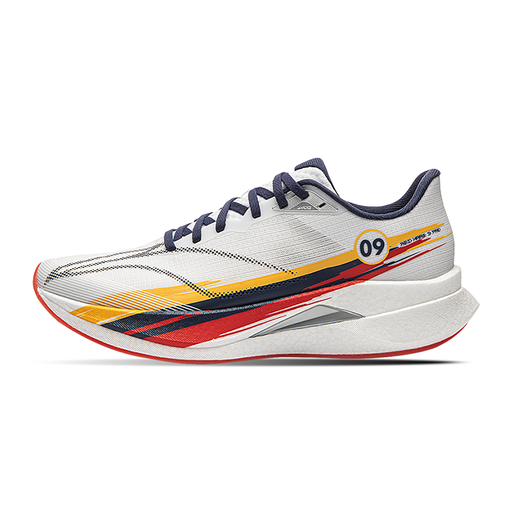
Why this product suits this profile: This model is designed for training, speedwork and longer runs on paved routes. Its wider platform may appeal to runners who want a larger base of support.
The description clearly details the wide platform, a two-layer BOOM midsole and a woven, ventilated upper.
Rocker geometry, BOOM foam and a GCR rubber outsole are designed for a fast roll-through, cushioning and grip.
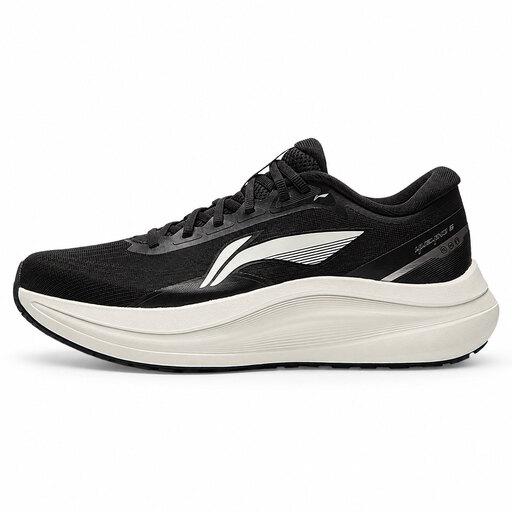
Why this product suits this profile: This model is interesting for users who value more room in the forefoot and additional stability during training and outdoor activities.
The product details specify an optimised last, a widened heel and a construction with a broader toe area.
The Tempo-Bounce midsole, PROBAR LOC and zoned rubber outsole combine cushioning, foot support and traction.
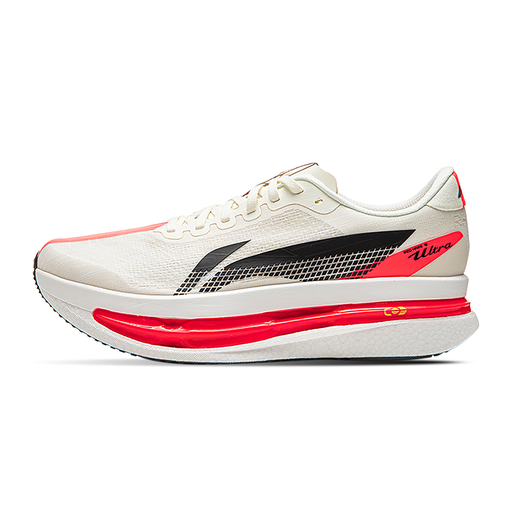
Why this product suits this profile: This shoe is designed for road races, intensive training sessions and long distances. According to the product information, the fit is more performance-oriented and close-fitting.
The description specifies a fibreglass composite plate, a three-layer midsole construction and a textured GCU outsole.
The BOOM-FIBER upper, dynamic foot lockdown and stated suitability for roads, tracks and wet surfaces make this a versatile choice.
We have put together a complete, regularly updated list of products that fully meet these strict selection criteria and the safety regulations applicable in the EU.
Service life depends on body weight, running surface, training volume, running style and material wear. Check regularly:
Clean running shoes according to the manufacturer’s instructions. Many models should be cleaned by hand or with a damp cloth and dried away from direct heat. Washing machines, tumble dryers and strong cleaning products can put strain on adhesives, foam and the upper.
There should be a small amount of space between your longest toe and the end of the shoe. The exact size depends on your foot shape, socks and preferred fit. If you have a wider forefoot, a wide toe box or half a size larger may be suitable, provided the heel remains securely held.
That depends on the individual fit, the midsole and the terrain. For long distances, cushioning, heel support and sufficient toe room should work well together. A short test run in your usual socks can help you assess the shoes before longer sessions.
Road running shoes are generally designed for tarmac and paved paths. Trail running shoes often feature a more deeply lugged, abrasion-resistant outsole and greater grip for uneven or loose terrain. For mixed routes, models specifically described as suitable for road-to-trail use can offer a practical middle ground.