
Lieferung heute & morgen

Qualitätsgarantie

Willkommens-Angebote freischalten: KOSTENLOSE Lieferung | Bis zu 80 % RABATT | Kostenlose 30-Tage-JoyPlus-Testphase
App herunterladen
Lightweight running shoes should add little weight to your training while still offering enough support, cushioning and traction. The range includes men’s running shoes, women’s running shoes and unisex running shoes for roads, park paths and mixed terrain. However, low weight alone says little about how practical a shoe will be day to day.
There are three common buying pitfalls to watch out for:
The midsole material is a key factor in cushioned running shoes. EVA foam is widely used, and its properties can vary depending on its density. A softer feel may be comfortable during an easy run, while a firmer construction can provide more stability as your foot rolls forwards.
When choosing running shoes for long distances, don’t consider cushioning in isolation. Also check:
Claims such as “protects your knees and joints” can’t be verified as universal product features. More useful technical details include EVA midsole, stack height or a wider platform.
Breathable running shoes often have mesh or woven uppers. Sandwich mesh can help air circulate and move moisture away from inside the shoe more quickly. However, a completely open weave isn’t necessarily right for every type of weather: overlays, seams and protective films can all affect ventilation.
Look for:
If you need a roomier fit, look specifically for running shoes with a wide toe box or a wider last. Just make sure the extra room around the toes doesn’t mean your heel slips out when you run.
Outsoles with a shallower tread are generally suitable for tarmac, paved park paths and running tracks. For trail running shoes, tread depth, rubber compound and lug placement are key. Trail running shoes need more traction on mixed terrain than traditional road running shoes.
A useful comparison should take the following into account:
“Slip-resistant” should always be considered in relation to the surface. No running shoe offers the same grip in every condition, regardless of wetness, gradient or ground type.
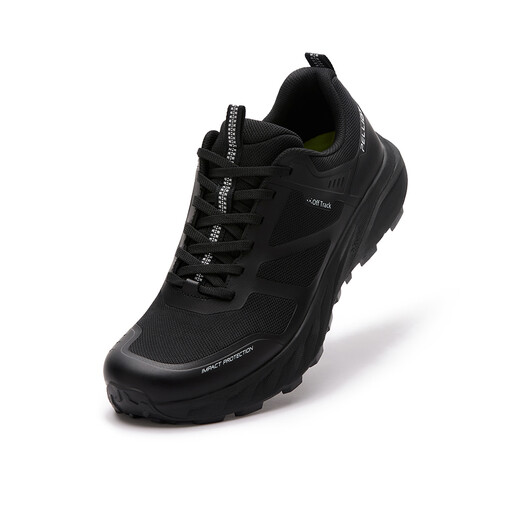
Why this product suits this type of runner: These unisex running shoes are designed for road runs, park paths and routes that take you off-road. This version is available up to EU 44; according to the product description, a slim version and a standard fit are also available.
The choice isn’t based on weight alone: sandwich mesh, an EVA midsole and a ROCKYTEC rubber outsole are all listed as specific design features.
Lightweight sandwich mesh, a highly elastic EVA midsole and an abrasion-resistant rubber outsole with tread for different surfaces.
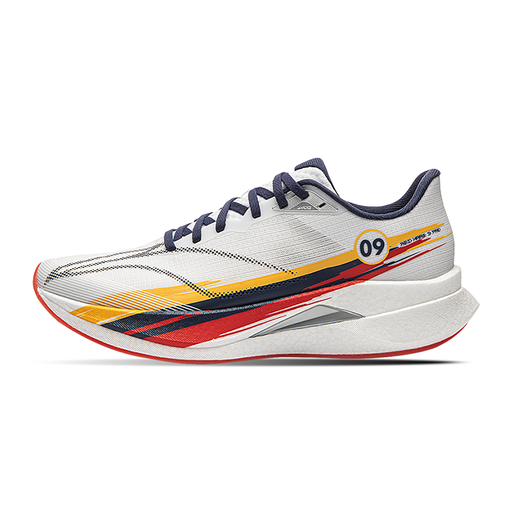
Why this product suits this type of runner: A wider platform, two-layer BOOM midsole and woven upper make this a good option for runners who value a considered design and room around the heel for training and longer sessions.
The fit is described as having a wider last. This makes it easier to assess the space inside the shoe, rather than relying on general comfort claims.
Wider platform, two layers of BOOM foam, rocker geometry and a GCR rubber outsole with a textured tread.
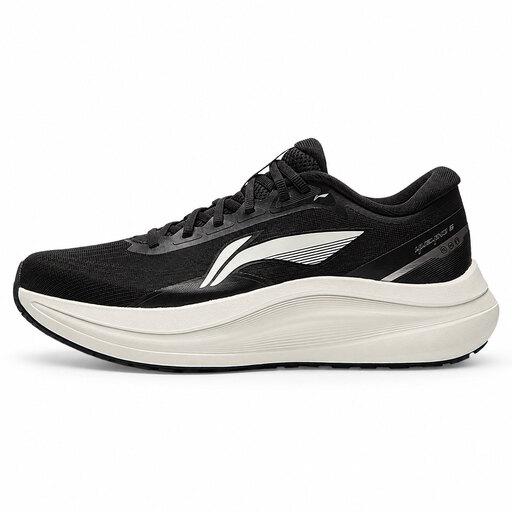
Why this product suits this type of runner: This model is worth considering if you want more room in the forefoot as well as a supportive heel. Its zoned outsole is designed for training on a range of paved surfaces.
The product description mentions a wider heel, PROBAR LOC and a roomier toe area. These details make it easier to compare the shoe with narrower-fitting models.
Full-length Tempo-Bounce midsole, wider toe box, heel support and zoned rubber outsole.
Measure your feet in the late afternoon, ideally wearing the running socks you plan to use. Compare the result with the size chart for the specific model. When you’re standing, there should be a little room to move your toes, but your heel shouldn’t slip up noticeably.
If you have narrow feet, a slim version may be a better choice than going down a size in a standard fit. If you have wider feet, consider running shoes with a wide toe box or trying half a size up. The right choice will depend on the shape of the shoe’s last.
Clean mesh shoes by hand using a mild detergent and cold water. Direct heat, ironing and tumble-drying can damage the foam, adhesives and upper. Leave your shoes to air-dry fully, and check the tread, outsole and cushioning regularly.
We’ve put together a complete, regularly updated list of products that meet these strict selection criteria and fully comply with the safety regulations in force in the EU.
It depends on the cushioning, fit, outsole and your individual running style. For longer distances, secure heel support, enough room in the forefoot and a midsole suited to your route matter more than keeping the shoe as light as possible.
There’s no fixed mileage that applies to every model. Check the tread for wear, the upper for tears, the midsole for deformation and the shoe for any loss of support. If you train frequently, alternating between two pairs can give each pair more time to dry.
Look for details such as a wide toe box, a wider last or an available wide or standard version. Your shoes shouldn’t pinch around the forefoot, but they should still feel secure around the heel and midfoot. Going up a size doesn’t always give you the right width.