
Lieferung heute & morgen

Qualitätsgarantie

Willkommens-Angebote freischalten: KOSTENLOSE Lieferung | Bis zu 80 % RABATT | Kostenlose 30-Tage-JoyPlus-Testphase
App herunterladen
Lightweight running shoes can be a practical choice for training, everyday wear and outdoor activities. But weight isn’t the only thing that matters. Your shoes need to suit your route, foot shape and preferred level of cushioning. If you focus only on eye-catching marketing claims, you could quickly end up with a pair that rubs after a few runs, offers little grip on wet ground or isn’t suited to the surface you’re running on.
A lightweight shoe can feel pleasantly responsive, but that doesn’t automatically mean it offers enough support or cushioning. For longer distances, the midsole construction, fit and stability are just as important. When comparing men’s and unisex running shoes, don’t look at the stated weight alone.
A patterned sole may work well on tarmac, but it may not offer the same grip on damp woodland paths, loose stones or wet rock. Check the sole material, tread design and intended use. A road running shoe isn’t automatically a substitute for trail running shoes.
Breathable running shoes with mesh uppers can help release heat and moisture. But if the forefoot is too narrow or the heel doesn’t feel secure, friction can build up while you run. A roomier toe box can be useful on longer runs, while a shoe that’s too wide may slip from side to side.
With cushioned running shoes, it’s all about finding the right balance between softness, energy return and stability. EVA foam is often used in the midsole. A softer design can feel comfortable on an easy run, while a firmer construction gives you a more direct feel for the ground.
For longer runs, also consider the width of the platform. A wider base can make your footstrike feel more stable. However, how suitable a shoe is will depend on your body weight, running style, the surface and your personal preferences. Don’t rely on product descriptions alone for claims about reducing the risk of injury.
Sandwich mesh, woven fabrics and similar materials are used in breathable running shoes. Check whether the upper is designed mainly to let air through or to provide extra abrasion protection. For road running, a lightweight, breathable upper may be enough. On woodland paths or outdoor runs, reinforced areas around the toes and sides can be useful, helping to protect your feet from contact with branches and stones.
A flatter tread is usually suitable for tarmac and paved paths. Trail running shoes and outdoor running shoes, on the other hand, need a more heavily patterned rubber sole. When choosing running shoes with good grip, check the tread direction, rubber compound and the manufacturer’s guidance on suitable surfaces.
If you hike regularly, you’ll often need more protection and torsional stiffness than a classic running shoe can offer. Sturdy walking shoes or walking boots may be better suited to loose stones, longer hikes and changeable weather. A lightweight running shoe, by contrast, is usually more flexible on flat routes.

Why this product suits this type of runner: This unisex model is designed for runs on roads and paved paths, as well as routes that lead onto trails. The size range runs from EU 39 to EU 45, with Standard and Slim options to suit different foot shapes.
The product details cover more than just its low weight: they also specify an EVA midsole, mesh upper and ROCKYTEC outsole. This makes it easier to assess the cushioning, ventilation and grip separately.
Sandwich mesh and woven upper; EVA midsole; size and foot-length information in the product description.
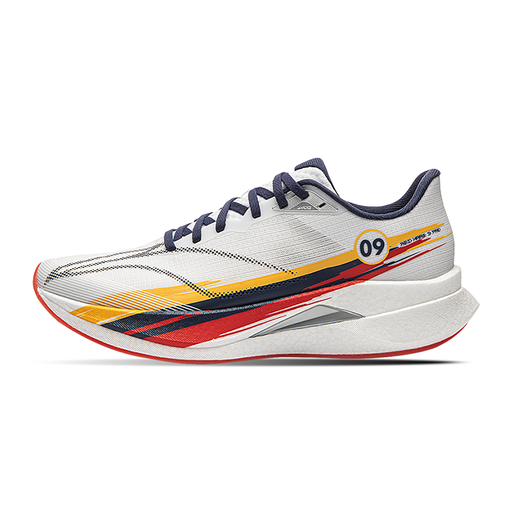
Why this product suits this type of runner: This men’s running shoe is aimed at buyers who value a wider platform, structured support and a breathable woven construction.
The product description lists specific components: a dual-layer BOOM midsole, a TPU element for torsional control and a GCR rubber outsole. That makes it easier to assess the shoe’s technical features, rather than relying on a general promise of comfort.
Wider platform; BOOM midsole; woven upper with ventilation system; GCR outsole with patterned tread.
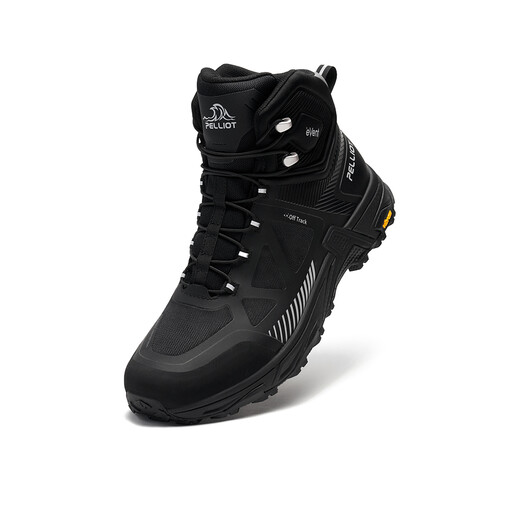
Why this product suits this type of user: For hiking, camping and varied terrain, protection, tread and weather resistance matter more than keeping shoe weight to a minimum.
This model is clearly described as a walking boot. Abrasion protection, a toe cap, a waterproof membrane and a patterned rubber sole are more specific indicators of its suitability for outdoor use than general claims about versatility.
Specialist tread; protective toe cap; waterproof and breathable membrane according to the product details; size chart based on foot length.
We’ve put together a complete, regularly updated list of products that meet these strict selection criteria and the safety requirements in force in the EU.
It depends on the cushioning, fit and how accustomed you are to wearing them. For longer distances, a secure heel fit, enough room around the toes and a midsole suited to your running technique are important. A particularly lightweight shoe isn’t automatically suitable for marathon or long-distance training.
For road running, running shoes with a grippy rubber outsole are often enough. On mud, loose stones and wet rock, trail running shoes with deeper tread are usually a better choice. A waterproof membrane can be useful in heavy rain, although it may affect ventilation.
How long they last depends on how you use and care for them. Look out for flattened areas of tread, visible cracks, a midsole that stays compressed or a loss of heel support. If you notice these changes, reassess the shoes regardless of how they look on the outside.