
Lieferung heute & morgen

Qualitätsgarantie

Willkommens-Angebote freischalten: KOSTENLOSE Lieferung | Bis zu 80 % RABATT | Kostenlose 30-Tage-JoyPlus-Testphase
App herunterladen
Lightweight running shoes should add very little weight to your training, provide enough support and remain comfortable after several kilometres. In practice, however, choosing the right pair can be tricky. A breathable upper may offer little protection on wet ground, soft cushioning won’t necessarily suit every running style, and a sporty design doesn’t mean a shoe is suitable for trail running.
This buying guide explains what men and women in the UK should look for when shopping. Our selection includes men’s, women’s and unisex running shoes for roads, park paths, woodland trails and longer training sessions.
A lightweight shoe can feel comfortable when you run. But if this comes at the expense of sole width, heel support or torsional rigidity, the shoe may feel less secure on uneven ground. A flexible design is often enough for road running. On woodland paths and gravel, a more supportive construction and a lugged outsole are a better choice.
Mesh and woven materials can help air circulate. But it’s also worth checking whether the shoe is lined, how substantial its reinforcements are and whether the tongue absorbs moisture. Breathable running shoes aren’t automatically waterproof. Open mesh can feel comfortable on dry summer days; in the rain, a water-repellent outer layer or a spare pair is more practical.
When choosing cushioned running shoes, consider the midsole material, its height and how you plan to use the shoes. A very soft EVA midsole won’t suit everyone or every surface. Similarly, ‘non-slip’ doesn’t mean the sole will grip equally well on every wet surface. Look for more specific information about EVA foam, the rubber compound, tread and intended use.
A lightweight running shoe should combine low weight with a functional midsole. EVA foam is widely used because it’s relatively light and provides a cushioning layer. For road running, a smooth transition from heel to forefoot can be helpful. On trails, lateral stability and an outsole with sufficiently deep lugs are also important.
Sandwich mesh and woven textiles generally let more air reach your feet than dense faux leather. TPU or abrasion-resistant reinforcements can help protect the toe and sides of the shoe. Check whether the product description gives specific details about the materials. Claims such as ‘lightweight’ and ‘breathable’ should be backed up with clear information about the upper.
Getting the length right matters more than whether a shoe is labelled for women or men. Measure both feet in the afternoon and compare the longer foot with the relevant size guide. For longer distances, a little extra room in the toe box can be useful, as long as your heel doesn’t slip. If you have wider feet, check the shape of the shoe’s inner fit carefully. Some models are available in standard or narrower fits.
Road running shoes often have a shallower tread for tarmac and paved paths. Trail running shoes, by contrast, need a textured rubber outsole that can provide more points of contact on earth, loose sand or damp rocks. No tread can replace careful footing on wet leaves, mud or slippery surfaces.
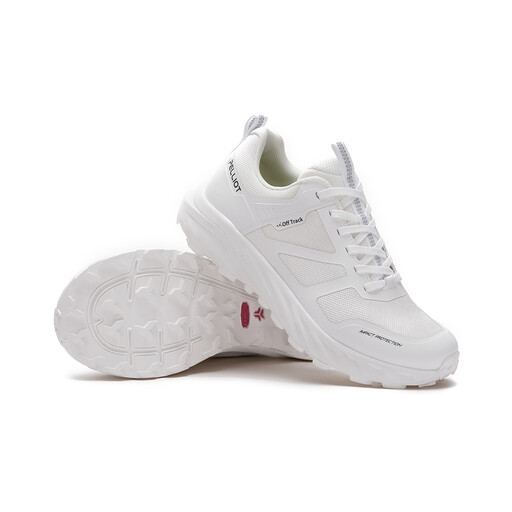
Why this product suits this profile: This unisex design is for anyone looking for a lightweight shoe for everyday runs, park paths and paved routes.
The product details specify sandwich mesh, a woven upper, an EVA midsole and a ROCKYTEC rubber outsole, rather than relying on vague comfort claims.
Lightweight mesh upper and an EVA midsole; available in several sizes.
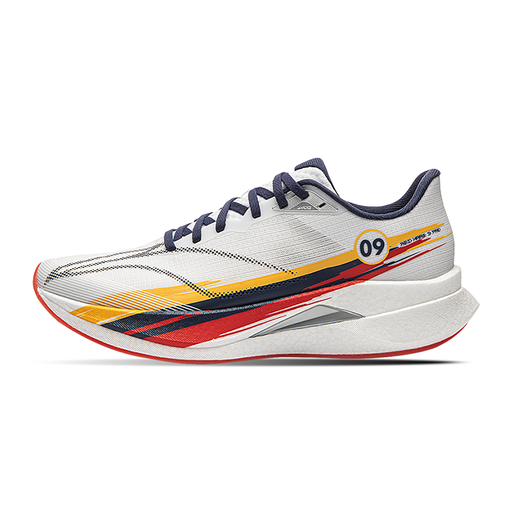
Why this product suits this profile: This model is designed for training, higher mileage and a roomier forefoot.
The description specifies a widened platform, a woven, ventilated upper and a zoned rubber outsole.
Dual-layer foam in the midsole, rocker geometry and grip-enhancing rubber, according to the product details.
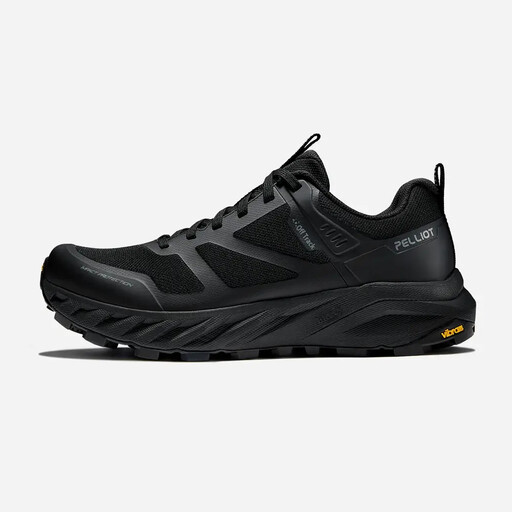
Why this product suits this profile: For men who run on woodland trails and uneven outdoor terrain as well as paved paths.
The trail running label indicates that these shoes are intended for a different use from road running shoes. Check the sole and fit details before buying.
Trail-focused design and a black finish; the specific shoe size is listed as EU 41.
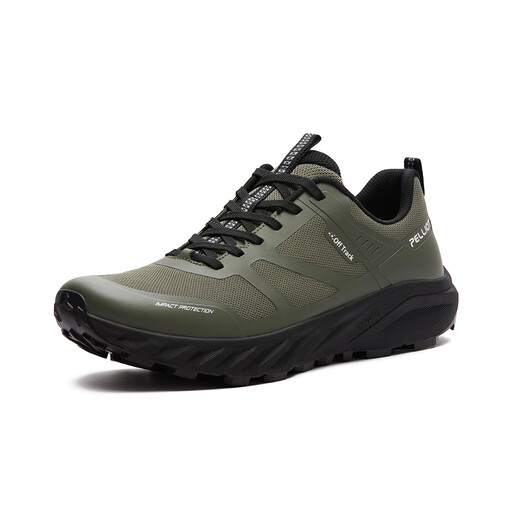
Why this product suits this profile: This model is for runners looking for road running shoes for regular training and longer distances.
The product description specifies the intended road-to-trail use, materials and a size guide, making it easier to assess whether they’re right for you.
Sandwich mesh, a responsive EVA midsole and an abrasion-resistant ROCKYTEC outsole, according to the product details.
We’ve put together a complete, regularly updated list of products that meet these strict selection criteria and fully comply with the safety regulations in force in the EU.
Even durable sports shoes need the right care. Remove dirt with a soft brush or damp cloth. Avoid harsh cleaning products, the washing machine, tumble dryer and direct heat when caring for mesh and EVA. Leave your shoes to dry at room temperature.
How long they last depends on how often you run, your body weight, the surface, your running technique and the materials. Check regularly for significant tread wear, permanent deformation of the midsole or a heel that no longer feels secure. If you train frequently, alternating between two pairs can give each pair longer to dry and reduce wear.
It depends on the fit, cushioning, stability and what you’re used to. For long distances, your toes shouldn’t hit the front of the shoe, your heel should feel secure and the midsole should remain comfortable after several kilometres. A lightweight shoe isn’t automatically suitable for marathon training or every surface.
Look for details about the shoe shape, forefoot and available widths. A wider platform or a standard rather than slim fit may offer more room. Your shoes should leave enough space not only in length but also around the balls of your feet and toes.
A fixed mileage figure isn’t a reliable guide for every model. Check the tread, midsole, heel support and for any visible damage to the materials. If the cushioning has noticeably deteriorated or the shoe is wearing unevenly, it’s time for a new pair – whatever condition the upper is in.