
Lieferung heute & morgen

Qualitätsgarantie

Willkommens-Angebote freischalten: KOSTENLOSE Lieferung | Bis zu 80 % RABATT | Kostenlose 30-Tage-JoyPlus-Testphase
App herunterladen
The search for the ideal facial sunscreen can be frustrating. Many products promise a lightweight texture, yet leave behind a greasy film, a visible white cast, or don't layer well with subsequent skincare and makeup. As a Joybuy Product Recommendation Officer, I analyse product information daily to help you navigate these pitfalls and make an informed decision.
The goal is a sunscreen that integrates seamlessly into your daily routine—invisible, effortless, and effective. However, especially in the realm of lightweight formulas, two common problems lead to disappointment and wasted money:
To avoid these issues, it's crucial to look beyond marketing terms and focus on the actual product characteristics.
A good lightweight sunscreen is defined by more than just a pleasant feel on the skin. The following three parameters are critical for daily wearability and reliable protection.
The texture determines how a product feels and behaves on the skin. For those seeking a non-greasy sunscreen, modern formulations are ideal.
A high Sun Protection Factor (SPF) is fundamental. For daily facial use, an SPF 50 sunscreen is often recommended to ensure robust protection against UVB rays. Equally important is protection from UVA rays, often indicated by the "UVA" symbol in a circle or a PA rating (especially on Asian products). Modern UV filters make it possible to achieve high protection in very light, transparent formulas without the dreaded white cast.
For sports or on hot days, a water-resistant sunscreen is beneficial. The term "water-resistant" means the sunscreen retains a significant portion of its protective effect for a specified time (usually 40 or 80 minutes) after water exposure. Nevertheless, reapplication is always necessary after swimming, sweating, or towel-drying. For daily use as a sunscreen for the face, fragrance-free and non-comedogenic formulas are also preferable to minimise the risk of irritation and breakouts.
Based on the criteria above, we have identified several products that are well-suited for different needs and lifestyles.
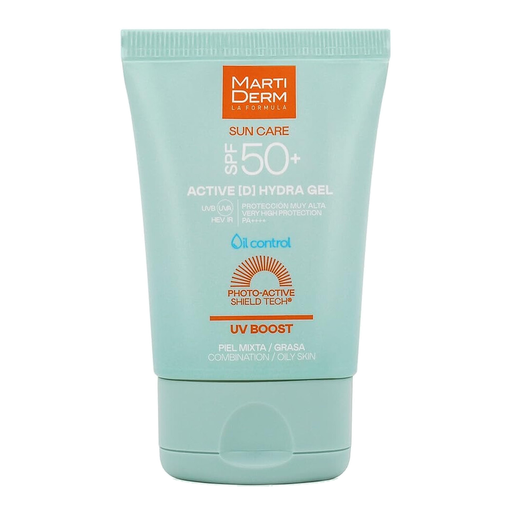
Why This Fits Their Persona: Ideal for individuals with an active lifestyle or oily to combination skin who need reliable, matte, and sweat-resistant protection for daily wear and sports.
The gel texture absorbs quickly and controls excess oil, preventing the typical greasy film. The formula is designed to remain stable even during perspiration and to resist pilling.
According to the manufacturer, its Photo-Active Shield Technology offers broad-spectrum protection (UVA/UVB/IR/Blue Light) and a long-lasting matte finish.
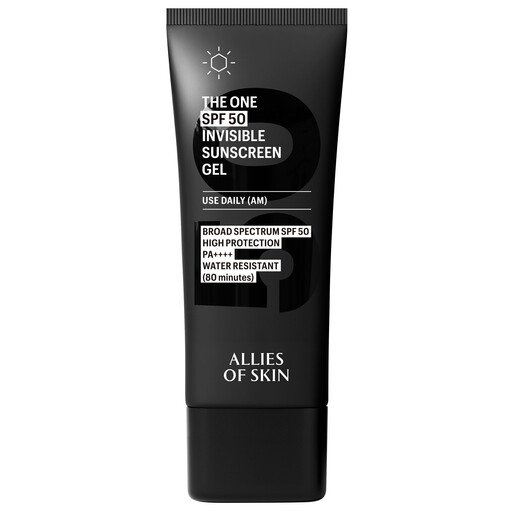
Why This Fits Their Persona: Perfect for skincare enthusiasts looking for a multi-functional product that acts as an invisible sunscreen and makeup primer while delivering nourishing antioxidants.
The transparent gel formula is designed to leave no white cast and create a smooth base that minimises the risk of pilling under makeup.
Combines high protection (SPF 50, PA++++) with an antioxidant-rich formula (Vitamin C, Green Tea). Its water-resistant property enhances reliability.
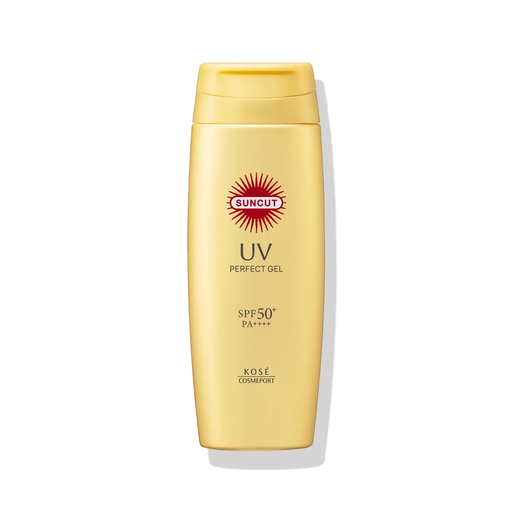
Why This Fits Their Persona: An excellent choice for anyone who uses a generous amount of sunscreen on their face and body daily and appreciates outstanding value for money.
Japanese gel formulas are renowned for their extremely lightweight, fast-absorbing textures. This product avoids the heavy, sticky feeling that is a common problem with many cheaper, large-format sunscreens.
Delivers the highest Japanese protection standard with SPF50+ and PA++++ in a generous 120g bottle. The formula is suitable for both face and body.
We have compiled a complete, up-to-date list of products that fully meet these strict selection criteria and local regulations.
A common guideline for the face is the "two-finger rule." Dispense two strips of sunscreen along your index and middle fingers. This amount (about a quarter to half a teaspoon) is generally sufficient to achieve the SPF level stated on the packaging. Using too little significantly reduces the level of protection.
The PA system originates from Japan and measures protection against UVA rays, which are responsible for skin ageing. The rating ranges from PA+ (low protection) to PA++++ (extremely high protection). A PA++++ rating signifies the highest currently available standard of UVA protection and is a key feature of a high-quality daily sunscreen.
While an oil-free sunscreen is formulated for oily skin, it can sometimes work for other skin types, especially when layered over a richer moisturiser. However, those with dry skin might find the formula doesn't provide enough nourishment. In that case, a gel-cream or a hydrating fluid might be a better choice.