
Lieferung heute & morgen

Qualitätsgarantie

Willkommens-Angebote freischalten: KOSTENLOSE Lieferung | Bis zu 80 % RABATT | Kostenlose 30-Tage-JoyPlus-Testphase
App herunterladen
Lightweight trail running shoes need to meet several requirements at once: they should feel comfortable on asphalt, provide sufficient grip on forest paths and remain comfortable over longer distances. Many models advertise low weight, “maximum cushioning” or particularly slip-resistant soles. However, these terms alone reveal little about whether a shoe suits your running style.
A very lightweight shoe can feel pleasantly dynamic on even ground. However, for technical trails with scree, roots or wet surfaces, stability, tread pattern and abrasion resistance are also important. A minimalist upper may be breathable, but it can wear out more quickly with frequent contact with branches and rocks.
The term EVA cushioning initially describes only the material used in the midsole. Its firmness, construction and rebound characteristics, as well as how it works with the outsole, are equally important. A highly springy midsole is not automatically suitable for every surface. It may feel comfortable on long stretches of asphalt, while secure footing is more important on uneven terrain.
A lugged rubber outsole can offer advantages on wet rocks and mud. However, the actual running experience also depends on lug height, rubber compound, ground pressure and the condition of the route. Slip-resistant running shoes do not guarantee that you will not slip. Therefore, look for specific information about the intended use rather than relying on blanket advertising claims.
For warm days and long runs, breathable running shoes with sandwich mesh or a woven upper are a sensible choice. These materials can move heat and moisture away more quickly than tightly closed surfaces. For more demanding routes, additional TPU reinforcement in particularly hard-wearing areas is important.
A completely unlined upper can improve air circulation, but it will feel different depending on your socks and foot shape. Check that the shoe provides sufficient support around the heel and that your toes have enough room to move.
A highly elastic EVA midsole can combine rebound with shock absorption. For running shoes for long distances, the cushioning should not only be soft but also stable enough. Runners who spend most of their time on roads may prefer a different cushioning feel from those who regularly run over roots, gravel and woodland paths.
The product description should clearly indicate whether the shoe is a road-to-trail model or designed more specifically for off-road use. Road-to-trail shoes are generally suitable for changing surfaces, while all-terrain running shoes are designed for a wider range of uses.
Pay attention to:
According to the product description, the ROCKYTEC sole used on the selected PELLIOT models combines grip and abrasion resistance for wet rocks, mud and loose sand. Versions with Vibram Megagrip are a specifically designated variant; before buying, check which features are included in the particular product version.
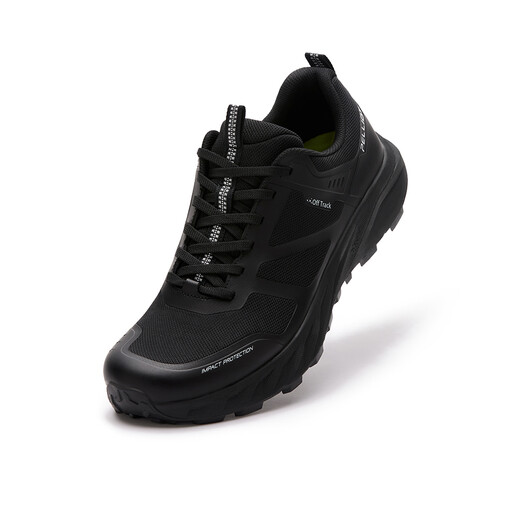
Why this product suits this profile: These unisex running shoes combine a lightweight mesh and woven upper with an EVA midsole. This makes them suitable for beginners taking up road running, as well as for park paths and easy trail sections.
The product details specify particular materials and a ROCKYTEC rubber outsole rather than relying solely on general comfort claims. The fit is available in Standard or Slim versions.
Sandwich mesh supports air circulation, while the highly elastic EVA midsole is designed for rebound and shock absorption.
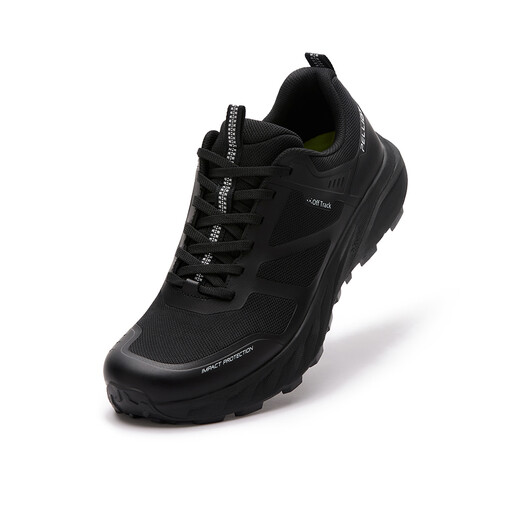
Why this product suits this profile: This model is aimed at users looking for a versatile shoe for the city, paved paths and uneven terrain, with clearly specified material details.
The details distinguish between Standard and Slim fits and specify an abrasion-resistant construction for contact with branches and rocks.
The EVA midsole, mesh fabric and ROCKYTEC outsole cover key criteria for cushioning, breathability and grip.
Why this product suits this profile: For regular runs on changing surfaces, this model combines a lightweight upper, EVA midsole and lugged rubber outsole.
The specified ROCKYTEC sole is designed to provide wet- and dry-surface grip as well as abrasion resistance. This reduces reliance on a purely road-focused outsole when routes vary.
The upper is described as breathable and abrasion-resistant, while the fit is available in Standard and Slim versions for different foot shapes.
Ideally, measure both feet in the late afternoon and compare the length of the longer foot with the size chart for the model in question. For the PELLIOT shoes mentioned, for example, a foot length of 265 millimetres corresponds to EU size 43 and 270 millimetres corresponds to EU size 44. The specific chart on the product page takes precedence.
For longer runs, there should be a little room at the front so that your toes do not hit the end of the shoe when running downhill. At the same time, your heel must not slip upwards. Try on running shoes with the socks you wear for training. Thin business socks or trainer liners can affect the fit differently from padded running socks.
After each run, remove dirt with a soft brush and lukewarm water. For the PELLIOT models, hand washing with mild soap and cold water is recommended. Direct heat, irons and tumble drying can damage the materials and bonded seams.
Service life depends on body weight, running style, terrain, weather and care. Regularly check the tread, any cracks in the upper and whether the midsole has become permanently compressed. A second pair can be useful if you run frequently and want to allow your shoes to dry completely between sessions.
We have put together a complete, regularly updated list of products that fully meet these strict selection criteria and the safety regulations applicable in the EU.
That depends on the tread pattern and construction. Road-to-trail shoes with less aggressive lugs are generally better suited to frequent stretches on asphalt than heavily lugged models. Also check whether the outsole is described as abrasion-resistant.
A fixed millimetre measurement is not equally suitable for every runner. The key factors are the running surface, your personal comfort preferences and the level of stability you want. An EVA midsole can offer a balanced combination of cushioning and rebound; try the shoes out on shorter runs first.
The heel should be held securely without creating pressure points. A little extra room in the toe box is useful, particularly when running downhill. Choose your size based on your measured foot length rather than relying solely on your usual shoe size.