
Lieferung heute & morgen

Qualitätsgarantie

Willkommens-Angebote freischalten: KOSTENLOSE Lieferung | Bis zu 80 % RABATT | Kostenlose 30-Tage-JoyPlus-Testphase
App herunterladen
Lightweight trail running shoes shouldn’t feel unnecessarily heavy on tarmac, yet they still need to offer enough grip on forest paths. It’s precisely this combination that often leads to wrong expectations when buying. A very breathable upper may offer less protection in wet weather, while a heavily lugged outsole can wear down more quickly on smooth asphalt.
So your choice shouldn’t be based solely on weight or brand name. What really matters are fit, sole tread, cushioning and the intended terrain. If you check these points before buying, you’ll avoid the typical mistakes when choosing trail running shoes for women and men.
A low weight feels nice when you’re running, but it doesn’t say much about stability or where the shoe can be used. A minimalist shoe might be fine for short, dry paths, but it won’t necessarily be suitable for scree, wet roots or muddy sections. For runs that mix town and nature, look for models whose product description explicitly mentions use on multiple surfaces.
Breathable running shoes with a mesh upper let heat and moisture escape more easily. However, they generally offer less protection against heavy rain than shoes with a sealed membrane. If you mostly run in dry weather, an airy upper can be a benefit. For wet autumn paths, you should also check whether the shoe has a water-repellent reinforcement or some other form of weather protection.
Grip depends on rubber compound, tread pattern, lug spacing and the surface. Wide lugs can bite into soft ground, but they feel less direct on tarmac. Terms like “anti-slip” or “grip” should therefore be backed up by specific details about the outsole. For challenging conditions, it’s also important that the sole is designed not just for dry ground but, according to the manufacturer, for wet surfaces too.
Sandwich mesh and woven materials are typical constructions for lightweight outdoor running shoes. They reduce the shoe’s weight and help air circulate. An additional TPU reinforcement can increase abrasion resistance in high-wear areas. Also check whether the shoe is lined or unlined, and whether your running socks leave enough room.
Shoes with EVA cushioning can soften the impact of each footstrike and create a springy feel. However, the actual effect depends on the foam’s firmness, construction, your foot shape and your running technique. So a product description should never be taken as a medical guarantee. If you have any discomfort or existing joint problems, individual advice is a good idea.
For longer distances, the midsole should feel neither too soft nor too unstable. When you try the shoes on, your foot should be held securely without your toes hitting the front. The demands can be very different between long downhill sections and flat tarmac.
For running shoes for road and trail, a balanced tread is often more practical than a pure fell-running sole. Look for:
Lightweight walking shoes can be fine for strolls and easy paths, but they don’t automatically replace a trail running shoe. Walking shoes are usually designed more for protection and stability than for a dynamic running feel.
Measure both feet, ideally late in the afternoon, wearing the socks you plan to run in. The longer foot determines the size you need. There should be a little room for movement in front of your toes; at the same time, your heel shouldn’t lift noticeably when you walk.
For the PELLIOT model with an EVA midsole, the size chart gives 240 mm foot length for EU 38 and 245 mm for EU 39, for example. The product information also distinguishes between a standard fit and a narrow version. The narrow version is intended for slimmer feet, while the standard fit is described as suitable for normal or wider feet. Still, don’t rely only on the EU size – compare the millimetre measurement with your own foot length.
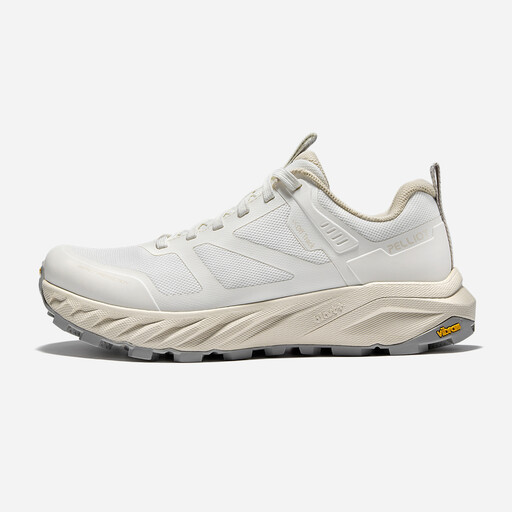
Why this product fits the profile: A specific size option makes it easier to get started. This model is aimed at female runners looking for a trail running shoe for their first steps away from pure road running.
Choosing by model and foot length prevents low weight alone from deciding the purchase. Fit information should be checked before ordering.
A specific EU size 37 and a product name focused on trail running. Further material and sole details should be checked on the product page.
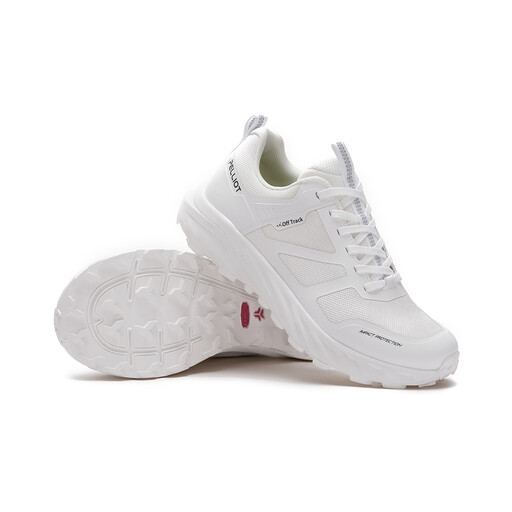
Why this product fits the profile: According to the product description, this unisex model is designed for transitions from road to trail and for different surfaces.
The product data mentions mesh and textile elements, an EVA midsole and a ROCKYTEC rubber outsole. This allows you to assess ventilation, cushioning and traction separately.
Sandwich mesh and textile are designed for air circulation. The stated EVA midsole and abrasion-resistant rubber outsole support use on changing terrain.
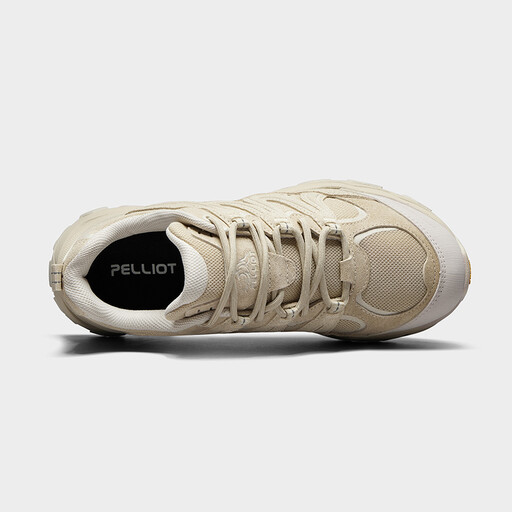
Why this product fits the profile: For heavy users who switch between walking paths, hikes and outdoor activities, a dedicated walking shoe may be more suitable than a pure road running shoe.
Being classified as a walking shoe makes it clear that you need to check the specific purpose before buying. For regular trail running, the sole tread and flexibility should be compared separately.
A dedicated walking shoe in EU 38. The product page should be checked before purchase for the upper, tread, materials and intended weather conditions.
We’ve put together a complete, regularly updated list of products that fully meet these strict selection criteria and the safety regulations in force in the EU.
How long your shoes last depends on your body weight, running style, terrain, training volume and how you look after them. Check the tread, heel area and the bonding of the outsole regularly. A noticeably smooth or unevenly worn sole can change how the shoe performs, even if the upper still looks good.
Mesh shoes should be cleaned by hand with mild soap and cold water. Then let them air dry – not on a radiator or in a tumble dryer. Direct heat can damage glues, foams and moulded parts. If you use them frequently, rotating between two pairs can extend drying time and reduce the strain on each individual shoe.
That depends on the sole tread and the manufacturer’s specification. Models designed for the transition from road to trail are better suited to mixed routes than shoes with exclusively deep lugs. If a high proportion of your running is on tarmac, look for smoother contact areas and a flexible sole.
There should be a little space for movement between your longest toe and the end of the shoe. Your foot shouldn’t slide forward on descents. So measure both feet wearing the socks you intend to run in, and compare the result with the size chart for the specific model.
A fixed mileage isn’t reliable for everyone. Instead, check the tread, midsole, heel hold and any visible material damage. If stability noticeably declines or wear becomes uneven, consider replacing them regardless of how far you’ve run in them.