
Lieferung heute & morgen

Qualitätsgarantie

Willkommens-Angebote freischalten: KOSTENLOSE Lieferung | Bis zu 80 % RABATT | Kostenlose 30-Tage-JoyPlus-Testphase
App herunterladen
By the Joybuy Product Recommendation Officer, July 23, 2026
For competitive gamers, especially in fast-paced FPS and MOBA games, choosing the right equipment can make all the difference. A lightweight wireless gaming mouse is often at the heart of this, enabling swift, unrestricted movements without compromising on precision. However, finding the right model can be complex, given the multitude of technical specifications like weight, polling rate, and DPI values.
This article serves as your guide. We will explain the key technical features you should look for when making your selection and present a curated list of current models that stand out for their specific performance characteristics. Our goal is to provide you with a solid foundation for making an informed decision.
The selection of an esports mouse should be based on objective criteria that match your playstyle and requirements. Here are three central aspects you should consider.
Weight is a critical factor for an ultralight gaming mouse. Models under 65 grams reduce fatigue during long gaming sessions and allow for faster reactions and changes in direction. Ergonomics are equally important. While a symmetrical mouse is suitable for both left- and right-handed users, an ergonomic gaming mouse for right-handers often features a shape contoured to the hand, which can enhance comfort for specific grip styles (e.g., palm grip). The choice heavily depends on your personal hand size and preferred grip.
The precision of a mouse is determined by its sensor. A high-DPI mouse (Dots Per Inch) offers high sensitivity, meaning small hand movements can translate into large cursor movements. Modern sensors offer values exceeding 25,000 DPI, though most players operate in the 400 to 3200 DPI range. More important than the maximum value is the sensor's ability to track movements precisely without deviation.
The polling rate, measured in Hertz (Hz), indicates how often the mouse reports its position to the computer. While 1000 Hz has long been the standard for a wireless gaming mouse, models with an 8K polling rate (8000 Hz) are becoming increasingly prevalent in the professional scene. This reduces latency to a minimum (from 1 ms to 0.125 ms), which can provide a tangible advantage in competitive scenarios, especially when paired with a high-refresh-rate monitor.
Modern wireless gaming mice use 2.4 GHz wireless technology, which ensures a stable, low-latency connection that is on par with their wired counterparts. A crucial factor is battery life. Long runtimes of over 80 hours ensure that the mouse won't unexpectedly die during intense tournaments or long gaming nights. Look for models with a USB-C charging port for fast and hassle-free charging.
Based on the criteria above, we have compiled a selection of models that are well-suited for demanding gamers due to their technical specifications.
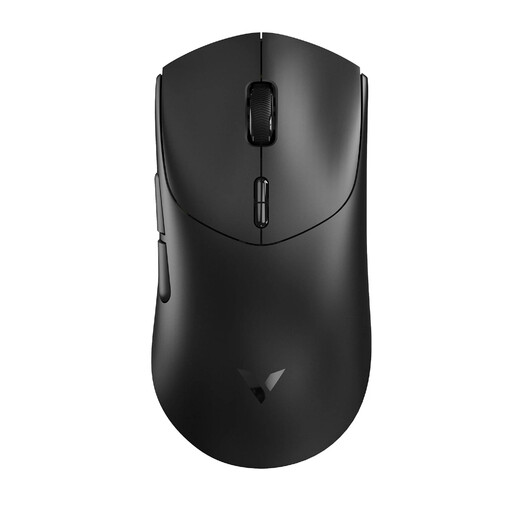
Why it stands out: The RAPOO VT7 combines an extremely low weight of just 53g with a native 8K wireless polling rate. A standout feature is its exceptionally long battery life, which the manufacturer claims can last up to 750 hours at 1000 Hz.
Pros:
Who it's for: Players seeking an extremely lightweight, symmetrical mouse with maximum technical performance in polling rate and battery life. The high number of programmable buttons also makes it appealing for MOBA and MMO players.
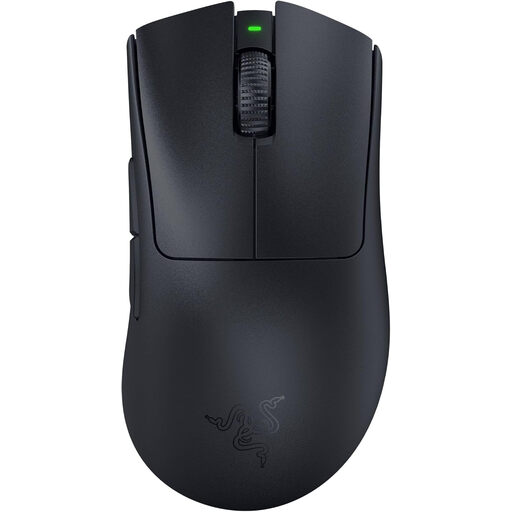
Why it stands out: The DeathAdder series is renowned for its ergonomic shape. The V3 Pro continues this tradition with a weight of just 63g. According to Razer, it was developed in collaboration with esports professionals to ensure optimal handling and comfort.
Pros:
Who it's for: A classic choice for right-handed users who prefer a proven ergonomic shape and a low weight for FPS games.
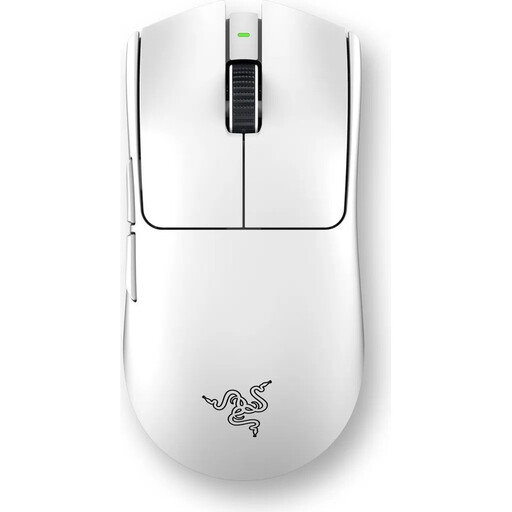
Why it stands out: As one of the lightest mice on the market, the Viper V3 Pro weighs only 54g. It features a symmetrical shape and is equipped with the Razer Focus Pro 35K Sensor and native 8000Hz HyperPolling technology, making it a pure professional gaming mouse.
Pros:
Who it's for: Competitive players who need an extremely lightweight, symmetrical mouse with the highest sensor precision and minimal latency for fast, precise movements.
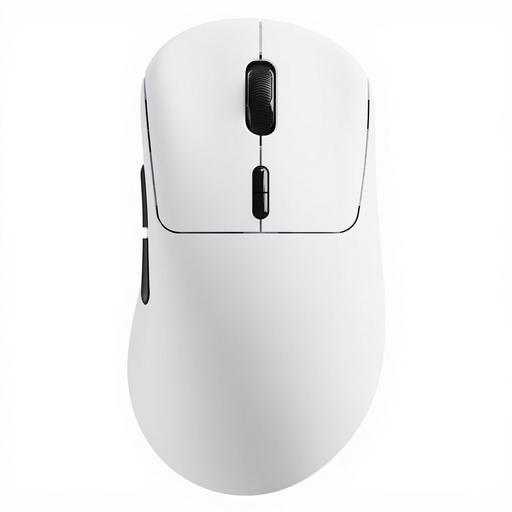
Why it stands out: Similar to the VT7, the VT3 offers a weight of 53g and a native 8K wireless polling rate. The main difference lies in its asymmetrical, ergonomic shape for right-handers, which can provide more support and comfort for palm-grip users.
Pros:
Who it's for: Right-handed users looking for an extremely lightweight mouse with the benefits of an 8K polling rate and very long battery life, but who prefer an ergonomic shape over a symmetrical one.
This selection focuses on models for competitive esports. If you are looking for mice with other features, such as more side buttons for MMOs or different ergonomic designs, you can find more models in our assortment.
Discover more models in our wireless gaming mouse with two side buttons category.
1. Are wireless gaming mice suitable for competitive play? Yes. Modern wireless mice using a 2.4 GHz connection offer latency times comparable to those of wired models. Technologies like Razer's HyperSpeed or Rapoo's V+ Wireless ensure a stable and responsive connection that performs reliably even in environments with heavy wireless traffic, such as at tournaments.
2. What is a good polling rate for a gaming mouse? A polling rate of 1000 Hz has been the standard for gaming mice for years and is sufficient for most players. For competitive gamers playing at the highest level and using monitors with very high refresh rates (240 Hz or higher), a polling rate of 4000 Hz or 8000 Hz can provide even smoother and more responsive cursor movement by further reducing latency.
3. How much should a lightweight gaming mouse weigh? The term "lightweight" is subjective, but in the esports scene, mice weighing under 65 grams are considered ultralight. Models around 55 grams are designed for players who need maximum speed and minimal inertia for fast "flick shots" and continuous tracking. A lower weight can also reduce strain on the wrist and arm.