
Lieferung heute & morgen

Qualitätsgarantie

Willkommens-Angebote freischalten: KOSTENLOSE Lieferung | Bis zu 80 % RABATT | Kostenlose 30-Tage-JoyPlus-Testphase
App herunterladen
Lightweight running shoes with cushioning are designed to meet several requirements at once: low weight, comfortable roll-through, sufficient stability and an outsole suited to the terrain. In practice, however, a model’s suitability for your own running goals is not determined solely by whether it is described as “lightweight” or “cushioned”.
When shopping online, three common marketing traps can easily lead to the wrong choice:
For cushioned running shoes, the midsole material is crucial. EVA foam is widely used and, depending on its design, can offer a balanced combination of weight, responsiveness and comfort. Multi-layer foam constructions or additional plates alter the roll-through and can make the shoe more stable or more dynamic.
For long-distance running shoes, a soft landing is not the only factor that matters. Also look for:
Technical percentage figures should only be assessed alongside a clear, comprehensible product description. They cannot replace trying the shoes on yourself.
A running shoe should hold the heel securely without squeezing the toes. When trying the shoes on, it is sensible to leave a small amount of room for movement between your longest toe and the end of the shoe. Feet can swell during longer runs, so check the fit with your usual running socks.
Running shoes with a wide toe box or a broader last may be worth considering if you need more room in the forefoot. A roomier shoe is not automatically more stable, however. What matters is whether the heel stays secure and the midfoot does not move around inside the shoe.
For EU sizes, compare your foot length in millimetres with the size chart for the specific model. This is particularly important if a product page also lists US or UK sizes. Models with a special fit can vary in size despite having the same EU size designation.
For regular runs on tarmac, road running shoes with an even, shallower tread are generally suitable. If you often run on woodland paths, gravel or gentle inclines, you may wish to consider a hybrid model or a trail running shoe with a more pronounced tread.
Check the following:
Breathable running shoes are practical in warm weather and during long training sessions. On wet terrain, the outsole construction is also important. The term “non-slip running shoes” should therefore always be assessed based on the specific tread and intended area of use.
The following selection categorises models according to objectively described construction features and typical use cases. Check availability, price and sizes on the relevant product page before buying.
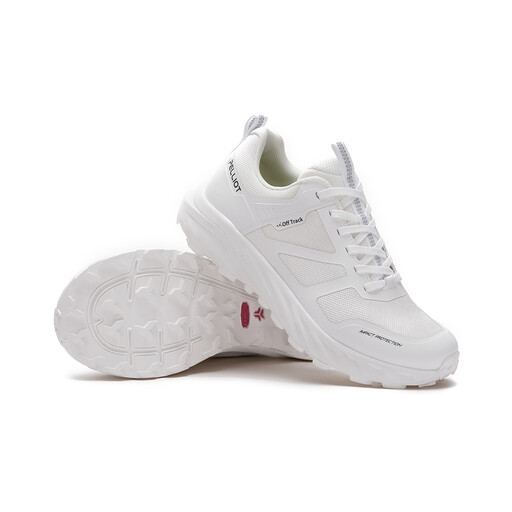
Why this product suits this profile: This unisex model combines a sandwich-mesh upper with an elastic EVA midsole. The size chart lists foot lengths from 225 to 245 mm for EU 35 to 39.
The stated foot lengths make it easier to compare sizes. The mesh upper also makes the ventilation properties clear from the material itself.
Unisex construction, EVA midsole and both standard and slim fits available.
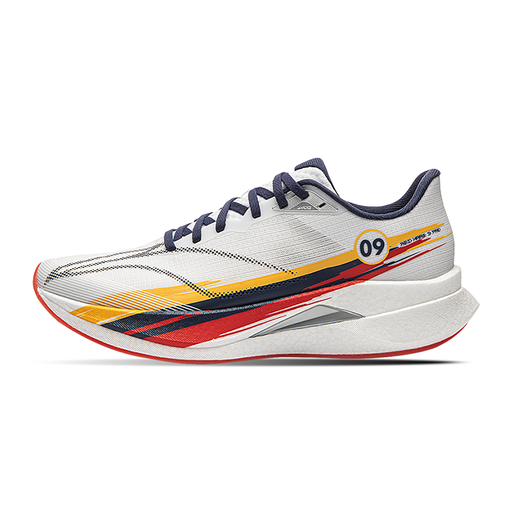
Why this product suits this profile: LI-NING running shoes feature a widened platform, a dual-layer BOOM midsole, a woven BOOM-FIBER upper and a GCR rubber outsole.
The product description lists the platform, TPU element, midsole and outsole separately. This makes it easier to compare the construction with your own requirements.
Widened last, dual-layer BOOM foam and reflective details according to the product name.
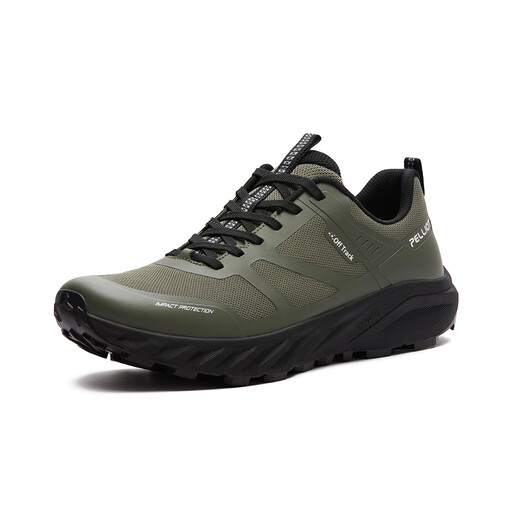
Why this product suits this profile: This model is described as suitable for road running and transitions to easier paths. Mesh, EVA foam and a ROCKYTEC outsole make it appealing to anyone looking for a versatile training model.
The size overview lists specific foot lengths from 245 to 275 mm. A slim version is also available for narrower feet.
Sandwich mesh, highly elastic EVA midsole and ROCKYTEC rubber with a tread pattern for changing surfaces.
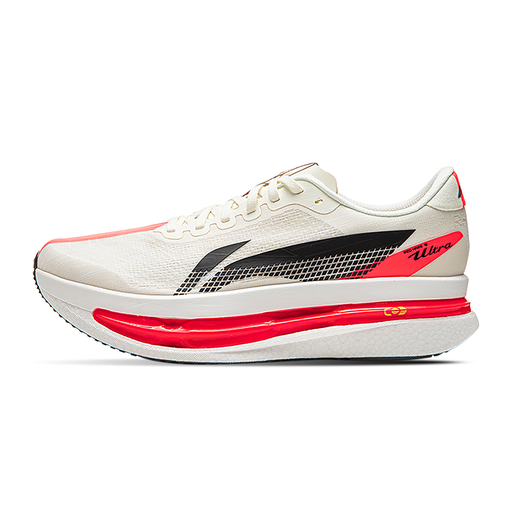
Why this product suits this profile: This model is designed for road races and intensive training sessions. The product description lists a three-layer BOOM midsole, a fibreglass support plate and a GCU outsole.
Its intended use is clearly defined as a racing and long-distance model. This reduces the risk of confusing a competition shoe with an everyday trail profile.
Three-layer BOOM sole construction, BOOM-FIBER mesh and GCU outsole according to the product information.
We have compiled a complete, regularly updated list of products that fully meet these strict selection criteria and the safety regulations applicable in the EU.
The lifespan of lightweight running shoes depends on your body weight, running style, surface, training volume and care routine. A blanket mileage figure is therefore not reliable. Check the following regularly:
After wet runs, allow the shoes to dry at room temperature. Direct heat from a radiator or intense sunlight can put strain on the materials. Depending on the manufacturer’s care instructions, cleaning with a damp cloth or hand-washing with a mild cleaning product may be suitable. A washing machine and tumble dryer should only be used if this is explicitly permitted.
That depends on the running surface, pace, body weight, running technique and personal preference. For long distances, a suitable fit, sufficient room in the forefoot and a smooth roll-through are more important than having the thickest or softest sole possible.
Yes, provided the model suits your training volume and fits properly. If you are choosing marathon running shoes, start by using the model for several short and medium-length runs. This helps you identify pressure points, an unstable heel hold or unsuitable cushioning before longer sessions.
Ideally, measure both feet in the afternoon while wearing the running socks you intend to use. Use the measurement of your longer foot in millimetres and compare it with the relevant manufacturer’s size chart. If you have a broad forefoot, a roomier version or half a size larger may be suitable, provided the heel still fits securely.