Napkins with crisp edges
If you want to fold linen napkins neatly for a set table, follow the care label when choosing the temperature and steam setting. GINETEX Germany explains the different ironing temperature settings.


For one or a small stack of linen napkins, a steam iron is an obvious choice. If you regularly iron larger quantities, a steam generator may be a better fit, provided you have room to set it up and store it. Check the care label on each napkin before ironing: it specifies the temperature and, where applicable, whether steam can be used. In a shared flat, you’ll also want a safe place to put the iron, straightforward controls and an automatic shut-off feature on the specific model.
If you want to fold linen napkins neatly for a set table, follow the care label when choosing the temperature and steam setting. GINETEX Germany explains the different ironing temperature settings.
If several people use the same appliance, clear settings and a designated place to put it down and let it cool are important. Braun lists an automatic shut-off feature for the FI 3194 BK model.
If you usually iron small stacks and need to put the appliance away afterwards, tank size and storage space matter. A steam generator needs room for a separate base.
For small stacks, a steam iron is usually the more space-saving option. A steam generator is better suited to regularly ironing larger quantities, provided you have enough room to set it up.
| What matters | What to look for when buying | Who is it important to? |
|---|---|---|
| Smooth linen and fabric care | Check that the temperature and steam settings are suitable for the napkins’ care labels. | If I want crisp edges for a set table, the settings need to suit each napkin. Around 36% of consumers prioritise precise ironing results and the right care for their fabrics. |
| Safe sharing and putting the iron down | Check the automatic shut-off and controls on the exact model, and agree on a designated place to let it cool. | When sharing an appliance, I want to know where the hot iron can cool down after use and how to put it down safely. Around 29% of consumers prioritise safe sharing and storage. |
| Storage space and ironing load | Compare the appliance’s tank size and footprint with the number of napkins you usually iron and the storage space available. | If my kitchen is short on space, the appliance needs to suit quick ironing sessions and be easy to put away afterwards. Around 21% of consumers put available setup and storage space first. |
| Maintenance and care | Check the descaling routine, the permitted type of water and the terms of any voluntary warranty for the specific model. | I want to know how to care for the appliance according to its instructions and what maintenance it will need day to day. Around 14% of consumers put maintenance and future costs first. |
The right treatment depends on the individual napkin. Colour, finishes or embroidery can affect how it should be cared for.
Check the care label before setting the iron, and follow the temperature and steam instructions shown there.
An unsuitable setting could damage the colour, finish or embroidery.
Even with an automatic shut-off feature, the hot soleplate needs a safe place to cool down.
Agree on a designated place to put the iron in your shared flat, along with a rule for unplugging it and letting it cool.
A large, separate tank is most useful for longer ironing sessions. The base also takes up extra space, both when in use and in storage.
First, consider how many napkins you usually need to iron and where the appliance could be set up or stored.
You’ll need to make room for the separate base, both when setting it up and storing it.
The examples listed include traditional steam irons with manual temperature controls.
The product range mentioned includes the DST7040/80 steam iron and the PSG7040/10 steam generator.
The Express Steam FV2838E0 is a steam iron with several temperature settings.
The Focus Excel DW5310D1 is one example, with a precision tip for edges and hems.
This Joybuy selection includes steam irons and portable steam irons. Always check the temperature and steam settings against the care label for each napkin.
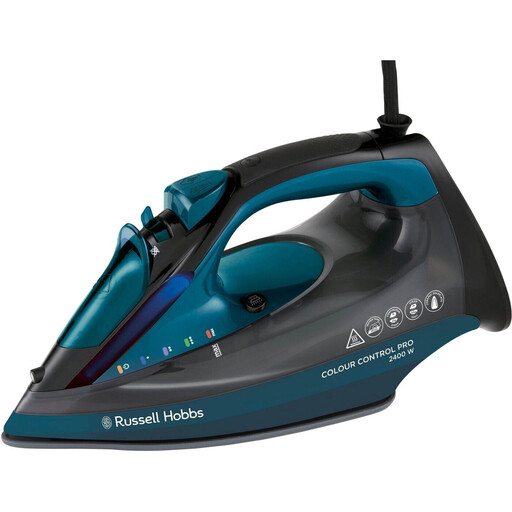 No image available
If you share an iron in a shared flat, automatic shut-off is worth considering. Also check the controls and where you’ll put the specific model down safely.
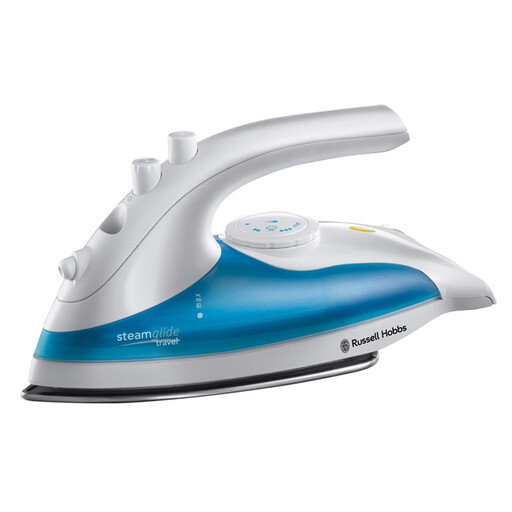 No image available
A travel-sized iron may be a good choice if storage space is limited. For larger stacks, check whether the tank size suits the way you plan to use it.
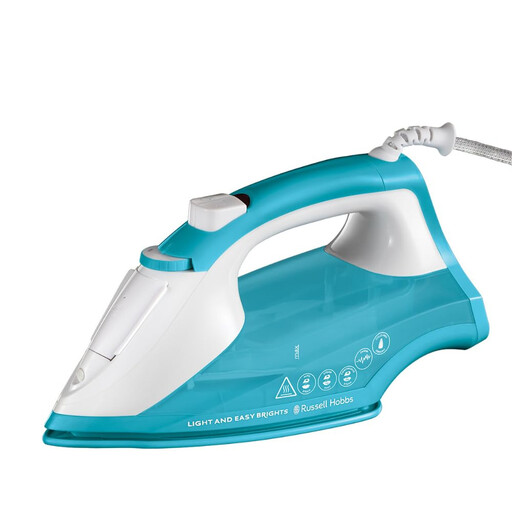 No image available
If you’re looking for an iron to use at home, check that its temperature and steam settings suit the care labels on your napkins.
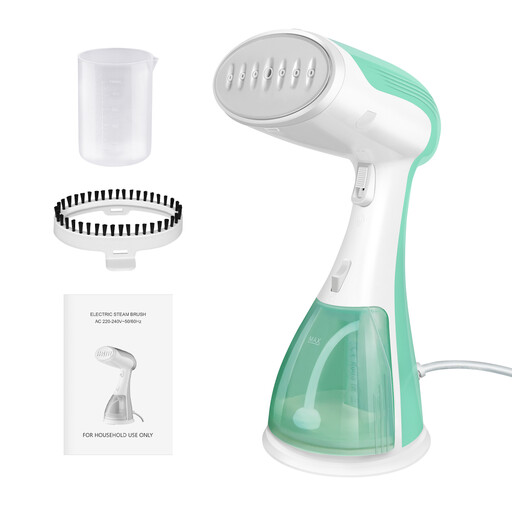 No image available
If you’ll be ironing napkins on a flat surface, the described horizontal use is worth noting. Check that the shape and controls suit the way you plan to use it.
 No image available
If you need temperature controls and a dry-ironing option, check before buying that the settings suit the care labels on your napkins.
No. The care label tells you how to treat the fabric. If it says not to iron, don’t iron the napkin; if it says not to use steam, iron it without steam. Coloured, embroidered or mixed-fibre fabrics may have additional restrictions.
If the care label allows ironing and steam, iron the napkin while it’s slightly damp, using a suitable setting. Let it cool and dry completely before stacking. For dark or decorated napkins, you could start by ironing the reverse or using a clean pressing cloth.
Share descaling duties according to the instructions for the specific model, and use only the type of water it allows. Philips notes that limescale build-up can cause stains and reduce steam output. The descaling process varies by appliance range.
Your statutory consumer rights apply against the seller; a manufacturer’s guarantee is separate and voluntary. The Verbraucherzentrale describes an extension that has applied since 31 July 2026 under certain repair conditions. This does not mean that every iron has a separate right to repair.
An iron that falls within the scope of the EU Low Voltage Directive must carry the CE marking. The Federal Institute for Occupational Safety and Health explains how the directive is implemented in German law. The European Commission says there is no central EU certificate. The CE marking is not an independent quality award, nor does it tell you whether the appliance is suitable for your napkins.