
Lieferung heute & morgen

Qualitätsgarantie

Willkommens-Angebote freischalten: KOSTENLOSE Lieferung | Bis zu 80 % RABATT | Kostenlose 30-Tage-JoyPlus-Testphase
App herunterladen
Li-Ning men’s running shoes are designed for runners looking for lightweight constructions, breathable materials and responsive cushioning. However, there are clear differences between training shoes, men’s racing shoes and marathon running shoes. An eye-catching product name or high energy return alone says little about whether a model suits your running style, terrain and foot shape.
Lightweight running shoes can feel comfortable during speed sessions and races. However, for long, easy runs they may not provide the guidance or cushioning you want. The key is how the midsole, sole width, upper and fit work together.
Claims such as “more energy return” or “improved ventilation” often refer to comparisons within a brand’s own range. They are not automatically comparable with independent measurements from other models. So first check the components actually described: foam construction, stability elements, outsole and last shape.
A narrow racing last can press against the toes if you have wider feet. Conversely, a very roomy shoe may feel less precise during quick changes of direction. Sock thickness and the natural expansion of your feet during longer runs should also be considered when choosing your size.
With cushioned running shoes, it is not just the amount of material that matters. A multi-layered midsole can perform different roles: the upper layer provides a softer landing, a middle layer can support push-off, while the base provides stability.
According to the product information, the RED HARE 9 ULTRA models use a three-layer system made from Super BOOM and BOOM. This is complemented by a glass-fibre composite plate. Such a plate can structure the rolling motion of your stride, but it will not feel equally comfortable for every runner. If you prefer a more natural, flexible ride, pay particular attention to this construction detail.
Stable running shoes do not necessarily need rigid elements. A wider platform, a shaping plate or reinforced heel guidance can limit sideways foot movement. According to the product description, the RED HARE 9 PRO uses a widened platform with a TPU element in the midfoot. This could be appealing for daily training, longer road runs and speed sessions.
The YUEYING 6 is described as having a heel widened by 2 mm, as well as PROBAR LOC. These details describe the shoe’s construction and do not constitute a medical claim. If you already have discomfort or an unusual foot position, seek professional advice about whether the shoe is suitable for you.
Breathable running shoes with a textile mesh upper can support air circulation in warm weather and during intense sessions. However, they do not replace moisture-wicking socks and should be allowed to dry completely after training.
The outsole tread is also important for road running and changing conditions. The GCR and GCU rubber compounds used in the listed models are described as offering grip and abrasion resistance. Nevertheless, actual traction depends on wetness, terrain, temperature and running technique.
Also pay attention to:
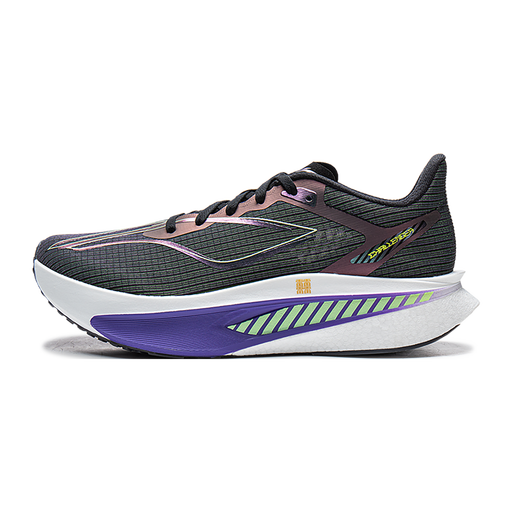
Why this product suits the profile: A lightweight road-running shoe for daily runs, moderate speed training and taking your first steps towards race-focused training.
The textile upper combines ventilation with TPU or synthetic overlays for targeted support. The standard width avoids an unnecessarily roomy fit for narrower or average-width feet.
Textile upper, GCR rubber outsole and lightweight construction for road running and everyday training.
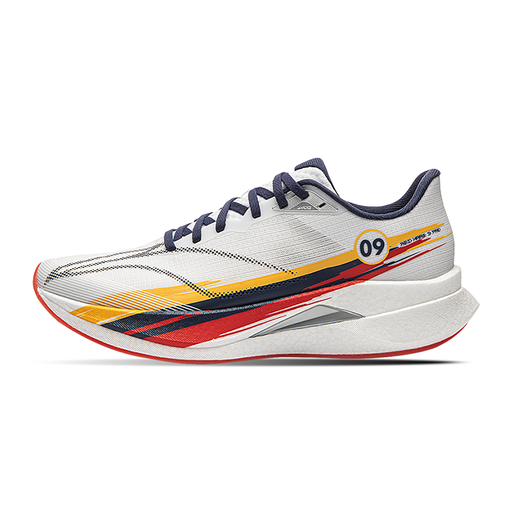
Why this product suits the profile: For runners looking for a roomier platform, BOOM cushioning and a structured rolling motion for high-mileage training.
The wider last reduces the risk of the forefoot feeling too tight. The details about cushioning, platform and outsole are clearly separated, making an objective comparison easier.
Dual-layer BOOM midsole, TPU midfoot element, BOOM-FIBER upper and GCR outsole.
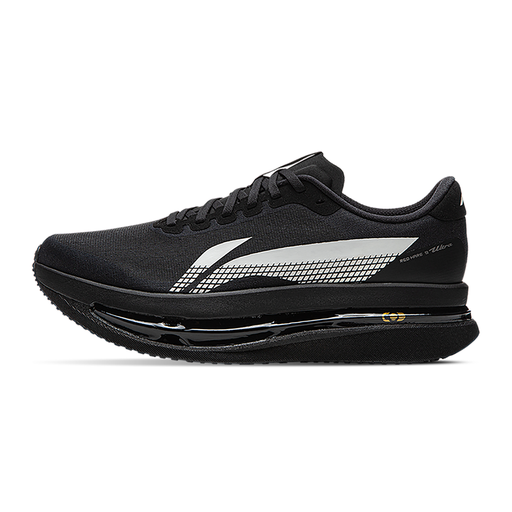
Why this product suits the profile: For HIIT, fast sessions and long road runs when a secure fit and multi-layered midsole are important.
The glass-fibre plate and dynamic wrap are described as specific construction features rather than being promoted with vague claims about “performance”. If you have a wider forefoot, check the sizing carefully.
Three-layer BOOM midsole, breathable BOOM-FIBER mesh and GCU outsole with wet- and dry-weather tread, according to the product information.
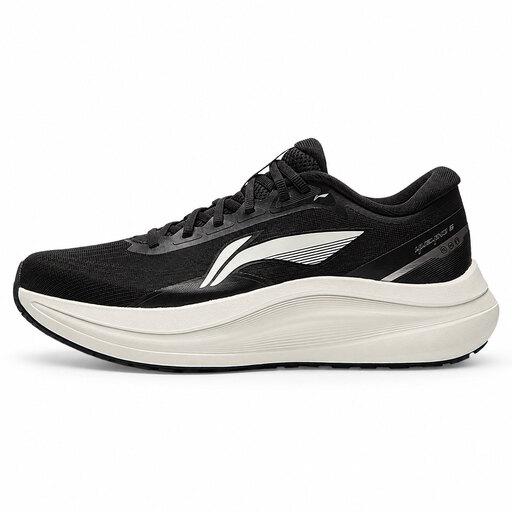
Why this product suits the profile: For daily training runs, longer distances and runners who prefer a running shoe with a roomy toe box and guided heel area.
The product description explicitly mentions a non-restrictive fit and a wider toe area. If you are looking for a close-fitting racing shoe, you should therefore choose a different profile.
Full-length Tempo-Bounce midsole, widened heel, PROBAR LOC and zoned rubber outsole.
We have put together a complete, regularly updated list of products that fully meet these strict selection criteria and the safety regulations applicable in the EU.
Models such as RED HARE 9 PRO, RED HARE 9 ULTRA and FEIDIAN 6 CHALLENGER are described in the product information as suitable for racing or long-distance use. However, whether a shoe is suitable for your marathon depends on its fit, your running technique, distance and personal familiarity with the shoe. Test it first during several longer training runs before race day.
It is not possible to give a reliable fixed mileage for every model. Check the outsole tread, visible cracks in the midsole and any loss of heel hold regularly. Frequent use on rough asphalt, a higher body weight and intense intervals can accelerate wear.
Use the size chart as a guide and measure both feet in the afternoon. There should be a little room for movement between your longest toe and the front of the shoe. With thick socks or a wider forefoot, going up half a size may be sensible. The models nevertheless differ in their last shape: the FEIDIAN 6 CHALLENGER is described as a standard width, while the RED HARE 9 PRO and YUEYING 6 offer more room in the forefoot.