
Lieferung heute & morgen

Qualitätsgarantie

Willkommens-Angebote freischalten: KOSTENLOSE Lieferung | Bis zu 80 % RABATT | Kostenlose 30-Tage-JoyPlus-Testphase
App herunterladen
If you’re looking to buy Li-Ning men’s racing shoes, you’ll often come across technical terms like BOOM FIBER, Super BOOM or carbon plate. While these details can be relevant, they don’t tell you much on their own about whether a shoe suits your running style, the distance you’re covering, or your foot shape. With marathon and road running shoes in particular, three common buying patterns lead to poor decisions.
Foams with high rebound and stiff plates can create a direct, responsive feel when you run. However, that doesn’t mean every runner will be faster or more comfortable in them. A very dynamic shoe can feel unfamiliar during slow runs. What matters is whether the construction matches your planned pace and your own technique.
Carbon running shoes aren’t automatically suitable for every purpose. The plate geometry, midsole hardness, sole width and fit all work together to influence how the shoe feels. A shoe with a fibreglass plate, like the Li-Ning Red Hare 9 Ultra, can also offer a structured and responsive platform without incorporating a carbon plate.
Lightweight racing shoes often have thin, airy uppers. While this reduces the amount of material, it can cause problems over long distances if the toe box is too tight or the midfoot isn’t held securely enough. For road runs in changeable weather, grip, abrasion resistance and drying properties are also important selection criteria.
Pay attention to the foam construction used, not just the marketing claims about energy return. According to product information, the Li-Ning Red Hare 9 Ultra uses a three-layer system of Super BOOM, Super BOOM Capsule and BOOM. The different layers are designed to offer a balance of rebound and stability.
For the Li-Ning Feidian 6 Elite, the product description mentions a SUPER BOOM CAPSULE midsole. The stated 95% energy return and 3-millisecond response time are manufacturer claims and shouldn’t be taken as a universally applicable performance guarantee. What’s more important in practice is whether the shoe remains controllable during the gait cycle and doesn’t feel too unstable over the full distance.
According to manufacturer specifications, the Feidian 6 Elite features a full-length T1000 carbon fibre plate with a scoop-shaped geometry. This can influence the roll-off and push-off. If you’ve mainly worn flexible training shoes before, you should try models like this on shorter, faster runs first.
The Red Hare 9 Ultra, on the other hand, uses a bio-inspired fibreglass composite plate according to product data. It isn’t classified as a carbon running shoe, but it can offer a firmer midfoot structure and a clearly defined rolling feel. The Li-Ning Feidian 6 Challenger is described as being without a carbon plate and, with its textile upper construction and GCR rubber outsole, is designed for daily training and a range of running speeds.
For marathons and road runs, the shoe should sit securely on your midfoot without creating pressure points. Over long distances, many runners also need a little room to move in front of the toes. Product information recommends your usual size for several Li-Ning models; if you have wider feet or wear thicker socks, going up half a size could be sensible.
Breathable racing shoes, such as models with a BOOM FIBER upper, can wick heat and moisture away from inside the shoe more effectively. According to the product description, selected BOOM FIBER components contain recycled polyester. However, the material isn’t a substitute for the correct width and a suitable running sock.
When it comes to the outsole, you should check the intended surface. The Red Hare 9 Ultra is described as having a GCU sole for dry and wet conditions. The Feidian 6 Elite also uses GCU, while the Feidian 6 Challenger has a GCR rubber outsole. For asphalt, park paths and paved running routes, these details are more relevant than a flashy colour name.
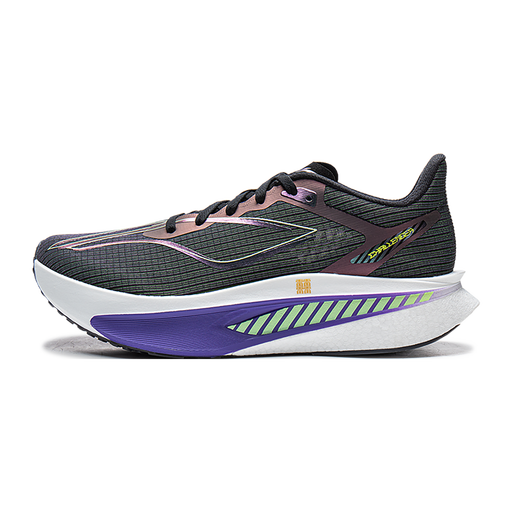
Why this product suits the profile: The shoe is described as suitable for daily runs, training and ambitious tempo runs. The textile upper and standard width make it a good choice for runners looking for a versatile entry into lightweight men’s road running shoes.
According to product information, the construction does without a carbon plate and focuses on textile breathability, low weight and GCR grip. This makes it easier to assess the running characteristics.
Textile upper, GCR rubber outsole and several available sizes or colour variants according to the offer.
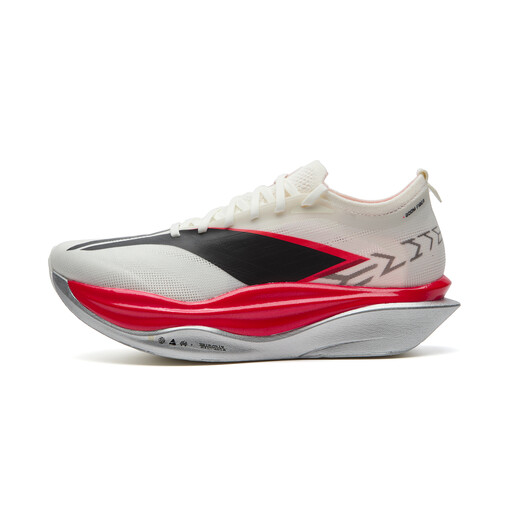
Why this product suits the profile: For marathon runners and experienced road runners who want a clearly defined competition geometry with a carbon fibre plate, BOOM FIBER upper and GCU outsole.
The product data lists the plate, midsole, upper and outsole separately. This makes it easier to distinguish technical claims from general marketing language.
T1000 carbon fibre plate, SUPER BOOM CAPSULE and bootie construction according to manufacturer specifications.
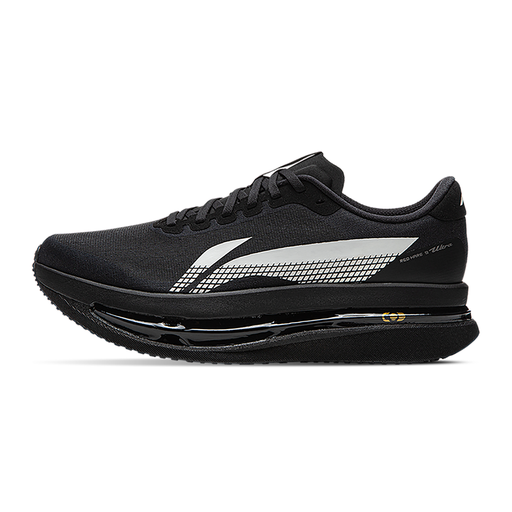
Why this product suits the profile: According to the description, the shoe is aimed at runners for intense sessions and long distances who want to combine a breathable construction with structured support and wet-dry grip.
The three-layer midsole and fibreglass plate are clearly specified. This makes it easier to distinguish from a pure carbon racing shoe.
BOOM FIBER mesh, three-layer BOOM construction and GCU outsole according to the product description.
We’ve put together a full, regularly updated list of products that fully meet these strict selection criteria and the safety regulations in force in the EU.
Models like the Feidian 6 Elite and Red Hare 9 Ultra are offered for marathon and long-distance use according to product descriptions. Whether they’re suitable depends on fit, running technique, pace and personal adaptation to dynamic midsoles. A trial run over shorter distances before a race is a good idea.
The lifespan depends on body weight, running surface, training volume, sole wear and care. Regularly check the tread, visible cracks, uneven wear and decreasing stability. Without these factors, it’s not possible to give a reliable mileage figure.
That depends on the specific model and how the shoe feels. A carbon plate can make the roll-off stiffer and more direct. Many runners use such shoes specifically for tempo runs or races and choose a more flexible training model for easy runs. What matters most is comfort, a secure fit and a controllable gait cycle.