
Lieferung heute & morgen

Qualitätsgarantie

Willkommens-Angebote freischalten: KOSTENLOSE Lieferung | Bis zu 80 % RABATT | Kostenlose 30-Tage-JoyPlus-Testphase
App herunterladen
If you're looking to buy the Li-Ning Wade 808 5 Ultra V2 Basketball Shoes, you're probably comparing the same things: grip during quick changes of direction, a stable fit, cushioning for jumps, and whether they're suitable for indoor or outdoor courts. Marketing terms like "Professional", "Carbon" or "High Rebound" don't tell you much about whether a shoe will actually suit your foot and playing style.
As a Joybuy Product Recommendation Officer, I filter the relevant product details and show you what buyers in the UK should look out for before ordering.
A carbon plate can increase torsional rigidity and help with power transfer when you push off. However, it doesn't automatically make a basketball shoe more comfortable for every player. If you prefer a particularly soft, flexible shoe or have little experience with stiffer soles, you should get used to the construction gradually.
With Li-Ning models, the plate is described differently depending on the version: some variants mention a full-length carbon fibre plate, while others have a carbon plate in the heel area. That's why you should check the specific colour and size variant before buying.
A basketball shoe with high traction can grip reliably on a clean indoor court. On rough asphalt, a rubber compound will usually wear down more quickly. The label "Indoor and Outdoor" doesn't mean the outsole will last equally long on every surface.
With the Wade 808 5 Ultra V2, GCU rubber is specified in the forefoot and TUFF-RB rubber in the heel. This division is relevant for stops, pivots and lateral movements. For regular outdoor training, it's still advisable to have a separate pair, or at least a realistic expectation of wear.
Li-Ning men's basketball shoes can differ in fit from standard European models. The Wade 808 is described as close-fitting and supportive; it can feel narrower in the forefoot. If you have wide feet or wear thick basketball socks, you should check the size chart and the available half sizes.
For men's basketball shoes size 43 and men's basketball shoes size 44, depending on the variant, you might find EU 43, EU 43 2/3 and EU 44 1/3 to choose from. The decision shouldn't be based solely on the EU number, but on foot length, forefoot width and the amount of toe room you want.
The product descriptions for selected variants mention SUPER BOOM cushioning, sometimes as a two-layer construction, along with a Supercritical foam insole. These details describe the build, but they aren't a medical guarantee of effectiveness. In practice, this means: a more responsive midsole can feel lively, while a very direct construction gives you more ground contact.
Players who do a lot of sprinting and jumping should look for a balanced combination of cushioning and stability. If you prefer quick ground reactions, you should also check how high and soft the midsole is constructed.
For basketball shoes for indoor and outdoor use, three questions are crucial:
The GCU tread is described as lightweight and grippy on several Wade 808 variants. The dark green version also mentions TUFF RB in the heel. On a dusty indoor court, even a good tread can lose grip. That's why you should clean the sole regularly with a slightly damp cloth.
The woven jacquard mesh with 3D-printed elements is designed to provide an adaptive fit and structural support. Compared to a fully open mesh, this construction can offer more hold in the midfoot. At the same time, the fit remains snug.
Make sure you have a secure heel hold, a big toe that isn't cramped, and lacing that fixes the midfoot evenly. A shoe that already presses on your toes when you're standing still won't become more comfortable during lateral movements.
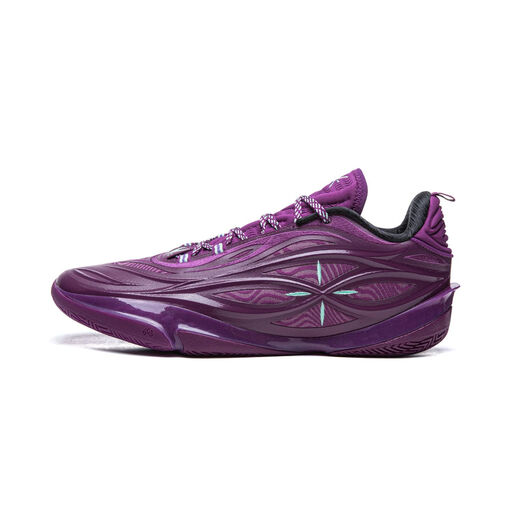
Why this product fits the profile: This variant is aimed at players who want a responsive build for training and indoor games, and who prefer a close-fitting fit.
The specifications name a SUPER BOOM midsole, carbon plate and GCU outsole specifically, rather than using vague comfort promises.
Two-layer cushioning, Supercritical foam insole and lightweight GCU outsole system.
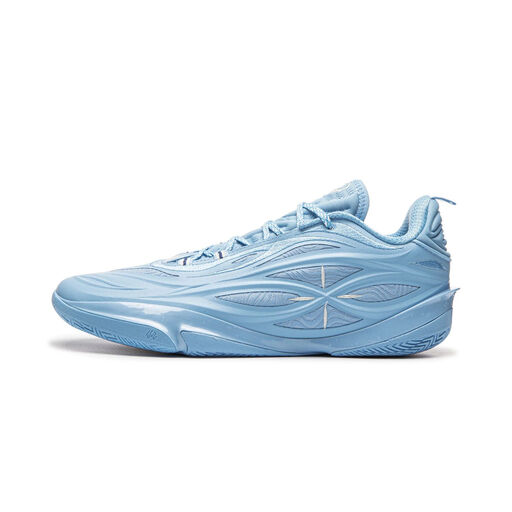
Why this product fits the profile: Suitable for ambitious players who value a snug, structured construction during quick cuts and push-offs.
The carbon plate and GCU rubber compound are listed as specific components. This makes it easier to match your choice with your preferred playing pace.
Textile and TPU construction, SUPER BOOM cushioning and lightweight GCU outsole according to product specifications.
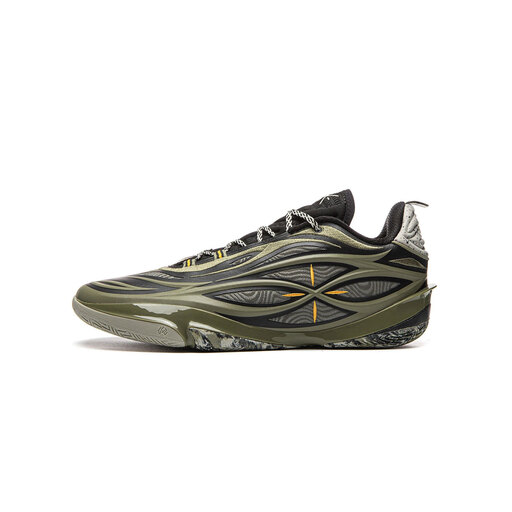
Why this product fits the profile: An option for frequent players who occasionally play on outdoor courts alongside indoor training and prefer a stable, supportive fit.
The separate specification of GCU in the forefoot and TUFF RB in the heel makes it easier to assess grip and wear.
Full-length TPU and carbon fibre construction according to variant, plus jacquard mesh with 3D-printed elements.
We've put together a complete, regularly updated list of products that fully meet these strict selection criteria and the safety regulations in force in the UK.
The lifespan depends mainly on the surface, your body weight, how often you train and how well you clean them. After a game, you should remove dust and dirt with a damp cloth. Soaking, harsh cleaning products and direct heat can damage the mesh, TPU and adhesive bonds.
Wear is higher on asphalt than in the gym. If you train several times a week, you should check the sole regularly for uneven wear. Reduced grip, permanently compressed cushioning or the heel tilting sideways are practical signs that it's time to replace the shoe.
The product specifications describe a rather snug, supportive fit. For wider feet, going up half a size could be a good idea. What matters most is your foot length, forefoot width and the socks you wear.
The variants are offered as suitable for both indoor and outdoor use. However, if you play on asphalt frequently, you can expect higher sole wear. For a longer lifespan, using them mainly on suitable indoor courts or smoother synthetic surfaces is better.
Dirt can be removed with a soft, slightly damp cloth. The shoes should not be soaked in water, treated with harsh chemicals or dried on radiators. The carbon plate itself doesn't need any special care; the important thing is to protect the entire sole and upper material.