
Lieferung heute & morgen

Qualitätsgarantie

Willkommens-Angebote freischalten: KOSTENLOSE Lieferung | Bis zu 80 % RABATT | Kostenlose 30-Tage-JoyPlus-Testphase
App herunterladen
If you’re looking to buy Li-Ning WADE 808 5 ULTRA V2 basketball shoes, you’re probably comparing cushioning, traction, fit and available EU sizes. But when it comes to professional basketball shoes, technical terms don’t automatically lead you to the right model. What really matters is whether the construction and shoe shape suit your foot, playing style and the surface you play on.
Names like SUPER BOOM cushioning, a carbon plate or a “high-grip outsole” only describe technical components. They don’t tell you whether the shoe will feel comfortable for every player. A stiff plate can feel stable during quick changes of direction, but it might feel unfamiliar to players who prefer a particularly flexible forefoot.
With the Li-Ning Way of Wade 808 models, you shouldn’t just focus on the cushioning. You also need to consider the combination of the midsole, plate, upper and outsole.
A basketball shoe should securely wrap your foot, but it shouldn’t constantly press on your toes. The product description for the WADE 808 5 ULTRA V2 notes a snug fit that may be slightly narrower in the forefoot. If you have medium to wider feet, you should measure your foot length and, if necessary, try half a size up.
EU sizes like 42 1/3, 43, 43 2/3, 44 1/3 and 45 aren’t directly comparable with every other brand. The internal feel also depends on sock thickness, foot width and how you lace the shoes.
Basketball shoes for indoor and outdoor use have to meet different requirements. On a court floor, clean grip is essential. On asphalt, however, abrasion, dust and rough surfaces put more strain on the rubber compound. An outsole with high traction can lose grip on dusty floors if it isn’t cleaned regularly.
The WADE 808 5 ULTRA V2 models are described as featuring SUPER BOOM cushioning along with a full-length carbon fibre plate or carbon plate construction. According to the product description, the system combines a lightweight TPU structure with direct energy transfer and a stable ground feel.
In practice, this means: players who make frequent explosive moves, stops and changes of direction can benefit from a firmer, more responsive construction. If you prefer particularly soft cushioning in your basketball shoes, you should pay attention to your own comfort and break the shoes in gradually with moderate use.
The construction uses GCU rubber in the forefoot and TUFF-RB rubber in the rear. According to the product details, GCU is designed for low weight and grip, while TUFF RB is intended to offer extra abrasion resistance. This material split is especially interesting for players who frequently switch between fast forward movements, lateral cuts and sudden stops.
For outdoor courts, however, the rule still applies: a rubber sole isn’t a free pass for constant use on rough asphalt. If you mostly play outdoors, you should regularly check the sole for visible wear and avoid using the shoe as an everyday trainer.
The upper is described as woven jacquard mesh with an applied 3D structure. It’s designed to provide a supportive wrap around the foot while keeping the weight relatively low. For men’s basketball shoes for medium to wide feet, it’s important that your toes aren’t squeezed from the sides.
When trying them on, three checks can help:
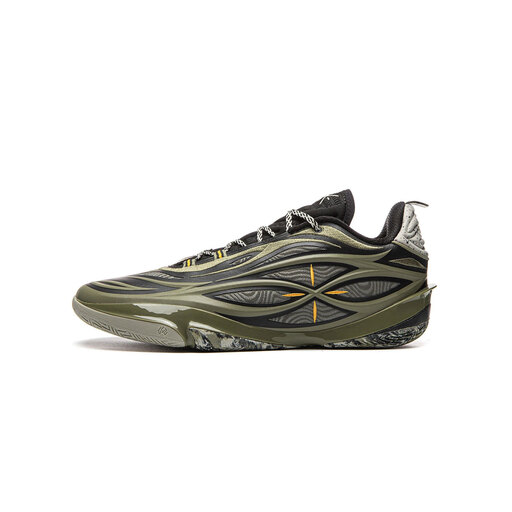
Why this product fits the profile: The available EU size 42 1/3 is suitable for buyers looking for a lightweight competition basketball shoe with a direct feel for regular indoor training.
The product details clearly mention the fit and the potential tightness in the forefoot. This makes it easier to choose the right size based on your foot width.
GCU and TUFF-RB rubber zones, TPU and carbon plate construction, and jacquard mesh upper.
Why this product fits the profile: The larger EU size is aimed at players who prefer a snug, stabilising construction with direct energy transfer for training and competition.
The technical features aren’t considered in isolation: the product description lists the fit, material construction and sole zones together.
Full-length carbon fibre plate, woven jacquard mesh and GCU outsole for multidirectional movements.
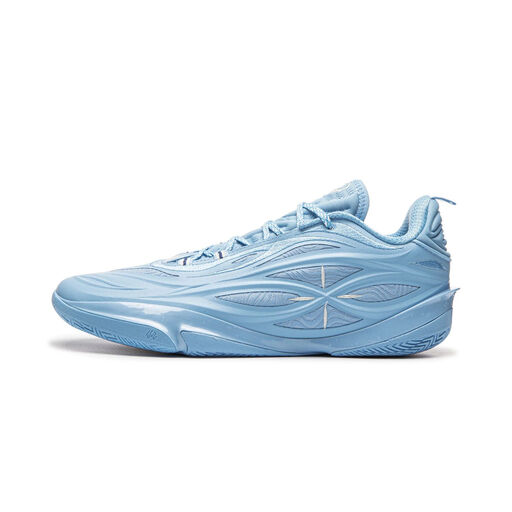
Why this product fits the profile: EU size 45 is an option for larger feet looking for a lightweight shoe for frequent sessions on indoor or suitable outdoor courts.
The sole materials are listed separately. This makes it easier to assess whether the shoe suits your planned surface and expected level of use.
Lightweight TPU outsole system, GCU rubber in the forefoot and supportive mesh upper with 3D structure.
We’ve put together a full, regularly updated list of products that fully meet these strict selection criteria and the safety regulations in force in the EU.
After training, you should clean the outsole with a soft brush or a slightly damp cloth to remove dust. The upper shouldn’t be fully soaked and shouldn’t be dried on a radiator. The product care instructions recommend wiping with a damp cloth and avoiding strong heat.
It’s not possible to give a fixed lifespan. It depends on your body weight, training frequency, playing surface, running style and how well you look after the shoes. Visible sole wear, reduced support or permanent deformation are reasons to stop using the shoes for intense competitive sessions.
The models are described as having a snug fit and may feel narrower in the forefoot. If you have medium to wider feet, we recommend measuring your foot length accurately and, if necessary, trying half a size up. Make sure to include thick basketball socks when trying them on.
The product description mentions both indoor and outdoor use. However, on rough asphalt you can expect more wear than in a sports hall. For frequent outdoor sessions, you should check the sole regularly and clean it of dust.
A carbon plate can stiffen the construction and affect energy transfer. But the actual feel also depends on the TPU structure, cushioning, shoe size and your individual foot shape. So you shouldn’t judge the fit based solely on the term “carbon plate”.