
Lieferung heute & morgen

Qualitätsgarantie

Willkommens-Angebote freischalten: KOSTENLOSE Lieferung | Bis zu 80 % RABATT | Kostenlose 30-Tage-JoyPlus-Testphase
App herunterladen
When buying Li-Ning men’s sports shoes online, shoppers often look first at cushioning names, carbon plates or striking performance claims. What really matters, however, is whether the shoe suits your movement, running surface and foot shape. A basketball shoe designed for quick changes of direction serves a different purpose from a lightweight running shoe for long road runs.
Terms such as SUPER BOOM cushioning, “Energy Return” or “Competition” initially describe a technical concept or intended use. On their own, they do not say whether the shoe is suitable for every runner or basketball player. A highly responsive midsole can feel very different during an easy training session than during fast intervals.
A close-fitting midfoot can be useful for basketball, while runners may need more room in the forefoot over longer distances. Simply selecting your usual EU size can lead to pressure points from thick sports socks or an unsuitable toe shape. A wide toe box and a narrower racing construction are not interchangeable.
Indoor courts require a different rubber compound and tread pattern from asphalt, park paths or changing outdoor surfaces. With basketball shoes, GCU or TUFF-RB rubber zones affect traction during stops and turns. For road running, abrasion resistance, weight and adaptation to the running surface are particularly important.
With running shoes, the midsole should match your training goals:
The RED HARE 9 PRO product specifications include a dual-layer BOOM midsole, a widened platform and a TPU plate in the midfoot. This construction will appeal to shoppers looking for a combination of cushioning, stability and a dynamic roll-through.
Li-Ning men’s basketball shoes should hold the foot securely during lateral movements, jumps and sudden stops. A firm midfoot fit, durable outsole and sufficiently stable heel area are more important here than cushioning height alone.
A carbon plate in basketball shoes can affect stiffness and power transfer. It is particularly interesting for players who prefer a direct, firm roll-through. For occasional players, a more flexible construction may feel more comfortable. The sole must also suit the playing surface: indoor and outdoor shoes should only be used interchangeably when the product description explicitly allows this.
Ideally, measure your foot length in the evening while wearing the socks you will use for training. Then compare the measurements with the size chart for the specific listing.
The product specifications provide the following practical guidance:
The size information in the relevant listing takes priority, particularly for EU sizes such as 42 1/3 or 43 2/3.
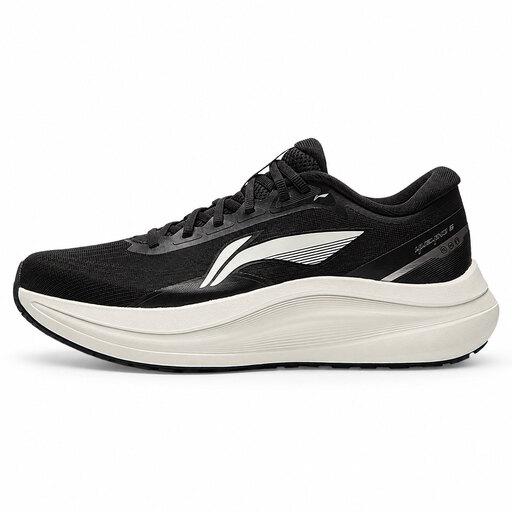
Why this product suits the profile: The YUEYING 6 combines a roomier fit with a Tempo-Bounce midsole, making it suitable for regular road runs and active everyday use.
The product description mentions the wider toe area, the heel section widened by 2 mm and the option of going up half a size for wider feet.
Full-length Tempo-Bounce midsole, PROBAR-LOC support and zoned rubber outsole.
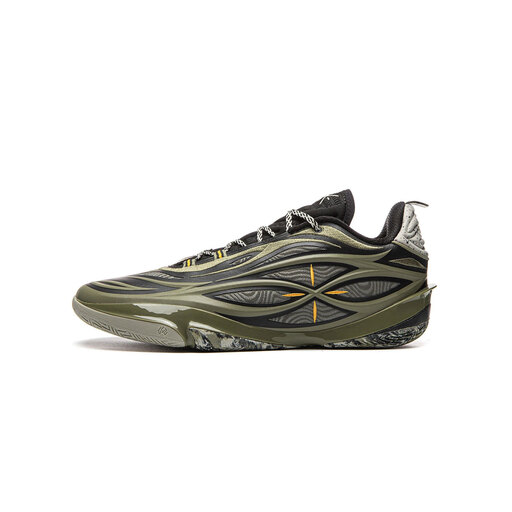
Why this product suits the profile: This basketball shoe is designed for players who make frequent changes of direction and are looking for a close-fitting construction with defined traction for indoor and outdoor use.
The description specifies the sole components: GCU rubber in the forefoot, TUFF-RB rubber in the rearfoot and a full-length carbon-fibre plate.
Wade 808 construction, carbon-fibre plate, woven jacquard upper and separate rubber zones.
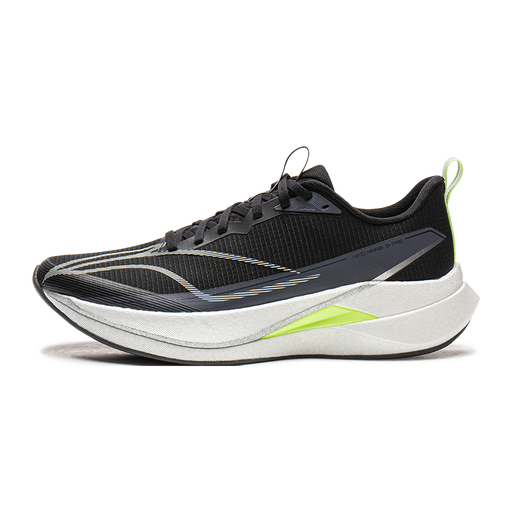
Why this product suits the profile: This running shoe is designed for training and racing, combining a widened platform with low weight and reflective elements.
The widened last is clearly specified. Runners with narrow feet should therefore check the fit and consider going down half a size if necessary.
Dual-layer BOOM midsole, TPU plate in the midfoot, BOOM-FIBER upper and GCR outsole.
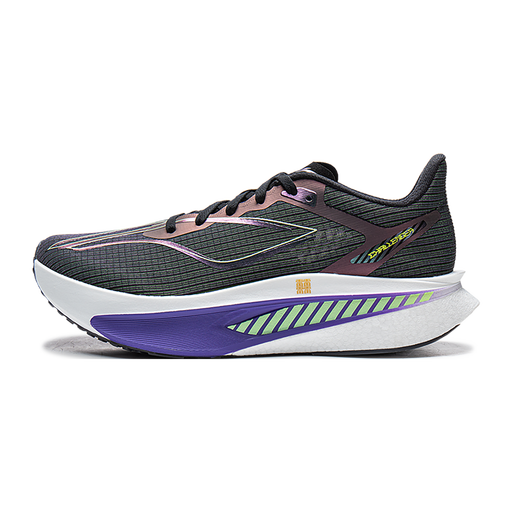
Why this product suits the profile: This model is designed for road running, training and faster-paced sessions, combining a textile upper with TPU or synthetic leather elements.
The standard width and intended usage are clearly stated, allowing shoppers to compare the construction with their foot shape and running distance.
Lightweight construction, breathable textile upper, TPU reinforcements and GCR rubber outsole.
We have put together a complete, regularly updated list of products that fully meet these strict selection criteria and the safety regulations applicable in the EU.
Lifespan depends on body weight, training volume, running surface and care. Without individual usage data, a fixed mileage or number of months would not be a reliable guide. The following measures can help extend usability:
Some WADE 808 listings explicitly describe the shoes as suitable for indoor and outdoor use. Even so, you should pay attention to the specific sole construction. Rubber can wear down more quickly on rough asphalt than on an indoor court. For regular play on both surfaces, the product description is the deciding factor.
It depends on the model. The YUEYING 6 is described as true to size with a wider toe area, while the WADE 808 has a closer fit. If you have wider feet or wear thick sports socks, going up half a size may be suitable. Foot length, foot width and the size chart for the specific listing are the key factors.
Not every runner needs the same level of cushioning. On long runs, a consistent roll-through, secure fit and comfortable feel are at least as important as the name of the foam technology. Test the shoes over several easy runs before wearing them in a race.