What to look for when buying
Complete continuous-light softbox kit
Best if: You’re starting without a photography light and want to choose all the components together.
The trade-off: A kit with just one light source won’t automatically give you the two-light setup with lights positioned at the sides.
Choose a light and softbox separately
Best if: You want to add to your existing equipment or choose a specific combination of light and modifier.
The trade-off: The fittings, adapter, stand and softbox contents must all be compatible with the specific models.
The Brandenburg Museums Association’s museum photography guide recommends two lights positioned at the sides at a 45° angle, with the camera centred and parallel to the image surface. Adjust the distances and setup to suit the print size and room; the positions given aren’t universal minimum measurements for every setup.
| What matters |
What to check before buying |
Who it matters most to |
| Even lighting |
Check you have room to position lights on the left and right, and assess their position and brightness at the edges of the print in a test shot. |
I want the edges of my print to look about as bright as the centre, and I have room to position lights at the sides. Consumers who prioritise even lighting make up roughly 33%. |
| Colour rendering |
Compare the specifications for the exact light model, keep the lighting conditions consistent and check the result with a colour chart. |
If I want to document print colours reliably, consistent colour temperature matters; different light sources shouldn’t be mixed without control. Consumers whose main concern is colour rendering make up about 27%. |
| What’s included in the kit |
Read the parts list for the specific version and check how many lights, softboxes and stands are included. |
I don’t want to have to track down missing components individually when I set everything up for the first time. Consumers who prioritise a straightforward, complete setup make up around 20%. |
| Fittings and expandability |
Compare the fittings on the light and softbox, and check whether an adapter is needed and included. |
If I want to reuse or add to my existing photography equipment, the modifier must fit the specific light. Consumers whose main concern is fitting compatibility make up about 20%. |
Suitable products at Joybuy
The Joybuy products below are related options for product, macro or video photography. Their product descriptions don’t identify them as softboxes for evenly reproducing linocuts.
 No image available
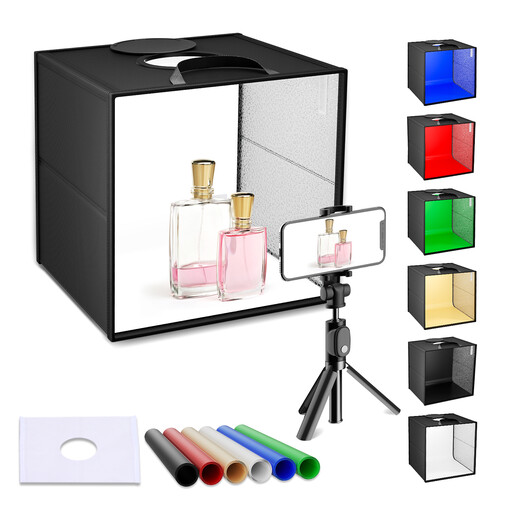
Folding LED photo box with coloured backdrops
Described as a photo box for product photography; it isn’t described as softbox lighting for linocuts.
The product title mentions coloured backdrops and adjustable brightness.
View at Joybuy
 No image available
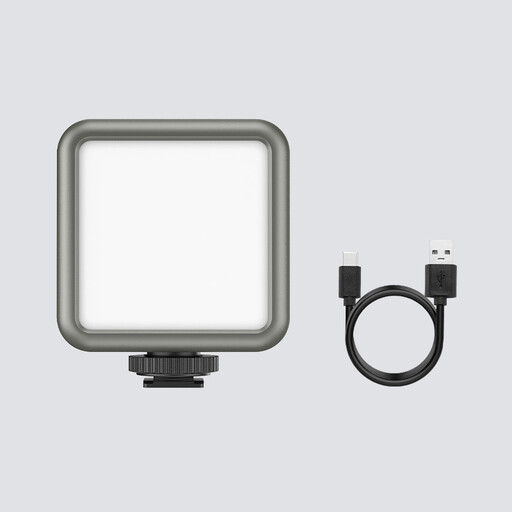
ULANZI VL49 LED video light
Described as a compact light for macro and product photography; it isn’t a softbox.
The product title mentions a 2000-mAh battery and adjustable colour temperature from 2500 K to 9500 K.
View at Joybuy
 No image available
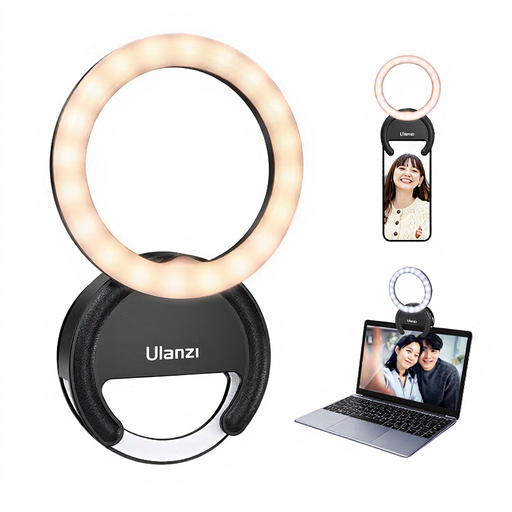
ULANZI 4-inch ring light for smartphones
The product title positions the ring light for selfies and use with a smartphone or laptop; it isn’t a softbox for linocuts.
It lists three colour temperatures from 3000 K to 7000 K and five brightness levels.
View at Joybuy
 No image available
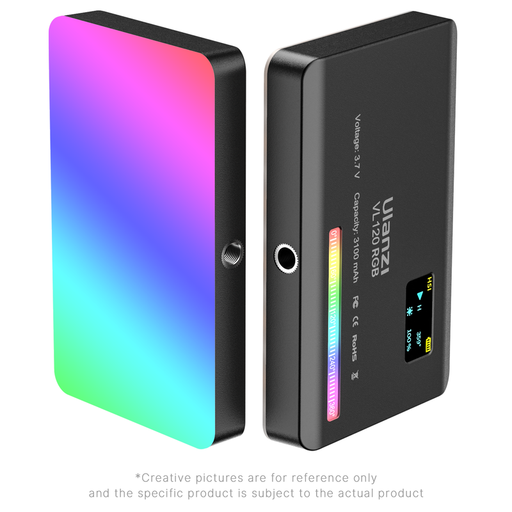
Ulanzi VL120RGB LED light, black
Described as an RGB light with an LED panel; the product information doesn’t identify it as a softbox for reproducing linocuts.
View at Joybuy
 No image available
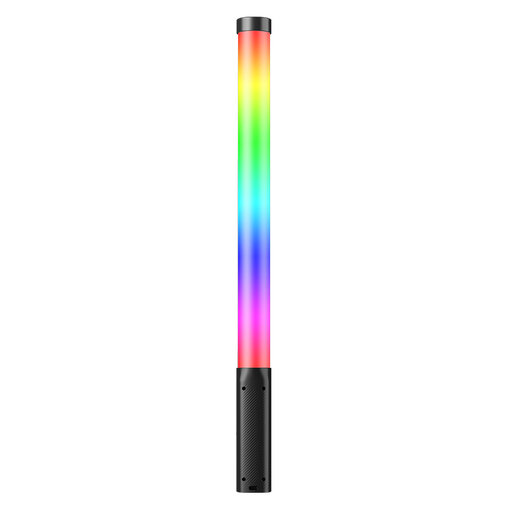
Ulanzi VL119 handheld video light
Described as a handheld RGB light for video and product photography; it isn’t a softbox.
The product title mentions 10 W, 360 lux at 0.5 m, a 3300-mAh battery and adjustable colour temperature from 2500 K to 9000 K.
View at Joybuy
Frequently asked questions
How should I set up the lights for a flat linocut?
For reproductions, the Brandenburg Museums Association recommends two lights positioned at the sides of the image surface at a 45° angle, with the camera centred and parallel to the surface. Adjust the distance and setup to suit the print size and room, and check that the lighting reaches the corners.
Can I fit any Bowens softbox directly to any photography light?
No, the fitting must be compatible with the specific model. Godox lists a Bowens fitting for the SL60IID, while the Nanlite manual specifies an FM fitting for the FS-60B and says you’ll need an adapter for Bowens accessories. So check the exact model version and what’s included.
What are my rights in Germany if the light I bought is faulty?
If an item you’ve bought is faulty, you have statutory rights against the seller; these are separate from any voluntary guarantee. The Verbraucherzentrale lists repair or replacement as the remedies you can initially request. The additional right to repair, which the Verbraucherzentrale has explained for certain product groups since July 2026, doesn’t automatically apply to a specific photography light.
Is CE marking an independent quality mark for photography lights?
No. For products that must carry a CE mark under the relevant EU rules, the manufacturer uses it to declare that the product complies with those requirements. Your Europe explains that there’s no central EU body that issues a general certificate for this. The mark doesn’t assess how well a light illuminates a linocut.
How should I dispose of an old electric photography light?
The German Environment Agency points out that old electrical equipment must not go in household rubbish. Check which take-back option is available where you live.


